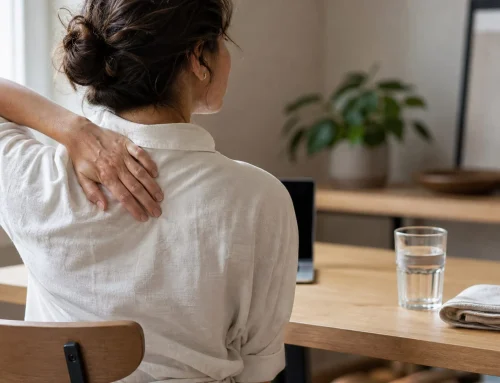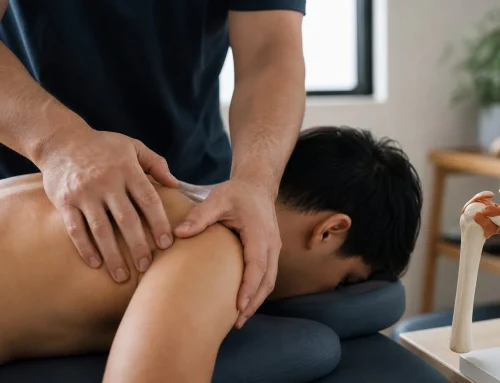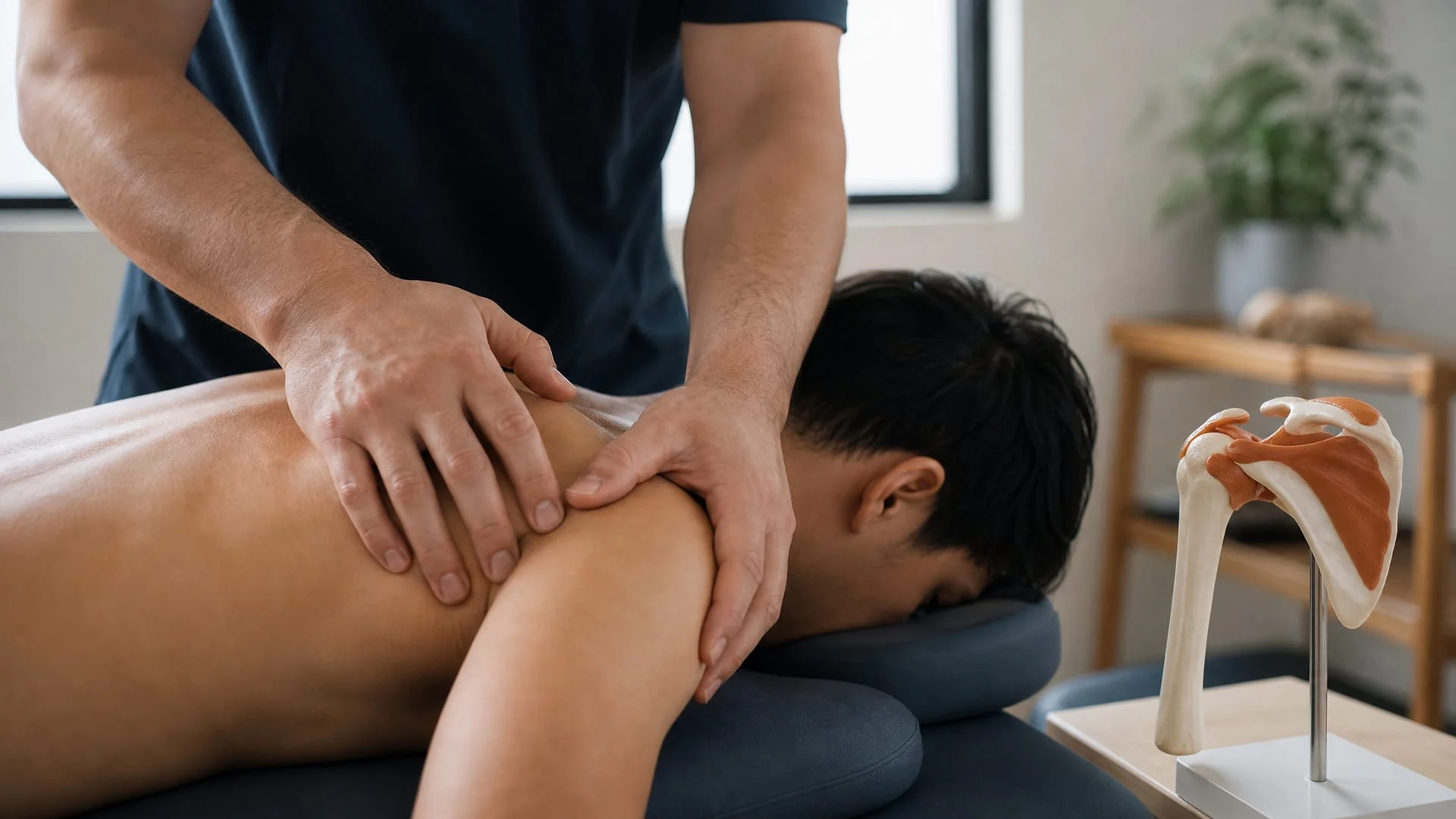
Your shoulders are up around your ears again. Your jaw is tight. You’ve been holding your breath without realizing it. If that sounds familiar, you already know something stress research is only now catching up to: anxiety doesn’t just live in your head. It lives in your muscles, your breath, and your posture. Massage therapy for stress and anxiety relief works because it meets you where the stress actually is, in the body, instead of asking you to think your way out of it.
Why Stress and Anxiety Show Up in Your Body First
Before anxiety becomes a thought you can name, it’s usually already a physical sensation. A racing heart. A stomach that won’t settle. Shoulders that creep up toward your ears during a stressful meeting and just stay there, hours later.
The Nervous System Connection
Your nervous system doesn’t distinguish well between a looming deadline and an actual threat. Either way, it flips the switch toward “on.” Muscles tense, breathing gets shallow, and your body prepares to fight, flee, or freeze. That response is useful for short bursts. The problem is when the switch gets stuck, which is exactly what happens with chronic stress. Your body stays braced for danger that isn’t actually there, and over time, that constant bracing becomes your new normal. You stop noticing the tight jaw or the shallow breathing because you can’t remember what “relaxed” felt like in the first place.
Common Physical Signs of Chronic Stress
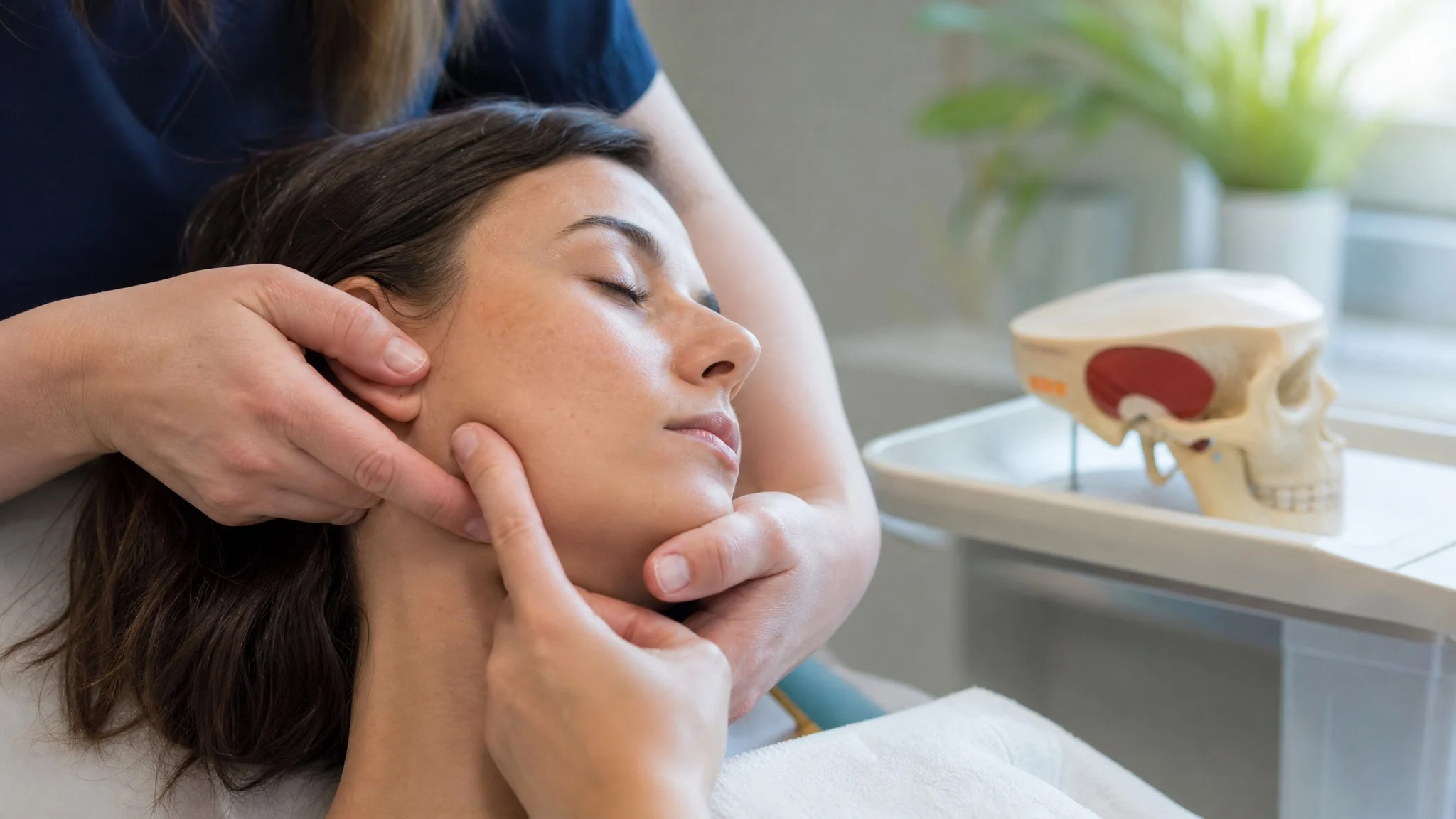
Chronic stress tends to show up in predictable places: a clenched jaw or grinding teeth, tension headaches, tight shoulders and upper back, a stomach that’s easily upset, and breathing that stays shallow and high in the chest instead of deep and low in the belly. None of these are just “in your head.” They’re your nervous system’s way of keeping you braced, and they’re also exactly the kind of physical patterns massage is built to interrupt. That’s the real starting point for understanding massage for anxiety. It’s not a mood boost bolted onto a spa day. It’s a direct way to reach a nervous system that’s stuck in the “on” position and give it permission to stand down.
How Massage for Anxiety Actually Works on the Body
Can massage therapy actually help with anxiety, or is it just temporary relaxation? The honest answer is both, and that’s not a knock against it. Temporary relief you can access on a regular basis, layered over weeks and months, is exactly how the nervous system relearns what “calm” feels like.
Cortisol and Massage: What the Research Suggests
Cortisol is the hormone most associated with the body’s stress response, and it’s the one researchers keep coming back to when they study bodywork. Studies on massage therapy have repeatedly linked bodywork sessions to measurable drops in cortisol alongside increases in serotonin and dopamine. That’s part of why a single session can shift someone’s mood, not just their muscle tension. The combination matters. Serotonin and dopamine are tied to mood regulation and a sense of well-being, so when cortisol drops while those two rise, people often describe feeling not just physically looser but emotionally lighter. That’s the cortisol and massage connection in plain terms: less of the hormone that keeps you braced, more of the chemistry that helps you feel steady.
Massage and the Nervous System: Calming the Fight-or-Flight Response
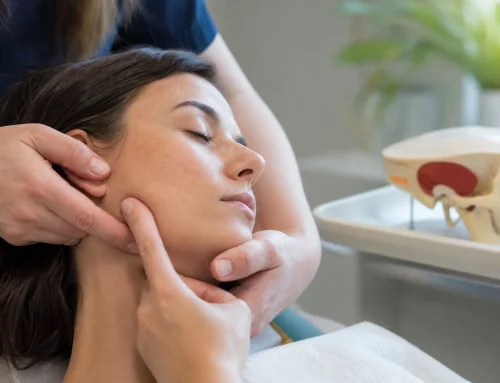
Your nervous system runs on two main settings: sympathetic, your fight-or-flight gear, and parasympathetic, your rest-and-digest gear. Chronic stress keeps people parked in sympathetic mode far longer than the body was designed for. Skilled touch, slow, sustained pressure in particular, signals to your nervous system that it’s safe to shift into parasympathetic mode. Your heart rate slows, digestion can resume normally, and muscles that have been braced for weeks finally get permission to let go. That’s the massage nervous system effect in action, and it’s a big part of why people leave a session feeling like they can finally take a full breath again.
Stress Relief Massage Therapy vs. Other Anxiety Tools
Massage is a real, evidence-informed tool, but it isn’t a replacement for the rest of your care. Licensed massage therapists trained in both relaxation and clinical modalities tend to describe stress relief and pain relief as two sides of the same nervous-system coin. You rarely get one without touching the other.
When Massage Complements Therapy or Medication
Should massage replace therapy or medication for anxiety? No, and any therapist worth booking with will tell you the same. Massage works well alongside talk therapy, medication, and other mental health care, not instead of it. Think of it as one more tool in a broader toolkit, one that specifically targets the physical half of anxiety that therapy sessions and medication don’t always reach directly. A person managing anxiety with a therapist and, in some cases, medication may still carry physical tension that needs its own dedicated attention. That’s where regular bodywork earns its place.
Why Consistency Matters More Than a One-Time Visit
How often should you get massage therapy for ongoing stress relief? A single session can feel great, but consistency is where the real change happens. Weekly or biweekly sessions give your nervous system repeated practice at shifting into that parasympathetic, rest-and-digest state, which makes the calm easier to access between visits too. At Body Ache Escape, clients often tell Michele and Kyron that the biggest shift isn’t how loose their shoulders feel afterward. It’s that they slept through the night for the first time in weeks. That kind of change rarely comes from one visit. It comes from making massage a regular part of how you manage stress, the same way you’d treat consistent exercise or sleep habits.
What to Expect From Your First Anxiety-Focused Massage Session
If you’ve never booked a massage specifically for stress or anxiety, it can feel a little different from booking one for a sore back. That’s a good thing. It means your therapist can actually tailor the session to what you need.
Talking to Your Therapist About Stress, Not Just Pain
What should you tell your massage therapist if you’re booking specifically for stress or anxiety? Say so, plainly. Mention where you carry tension, jaw, shoulders, chest, lower back, and mention what’s been going on, whether that’s work burnout, a hard season at home, or anxiety that’s been building for months. A good therapist will adjust pressure, pacing, and technique based on that information instead of running a generic routine. Take a client managing work burnout who initially booked for low back pain and only later realized the weekly sessions were the only hour of their week their mind actually went quiet. That’s the kind of outcome that shows up when you tell your therapist the full picture, not just the physical complaint.
Pairing Massage With Infrared Sauna for Deeper Relief
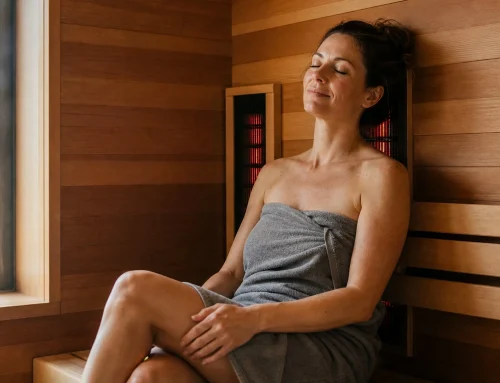
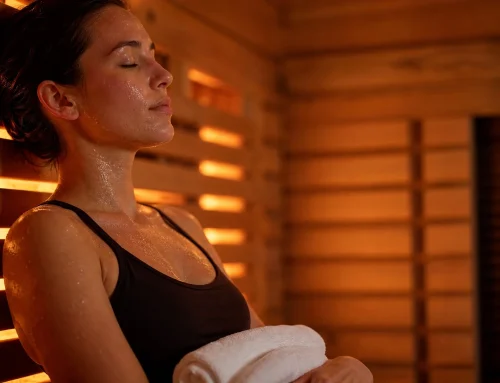
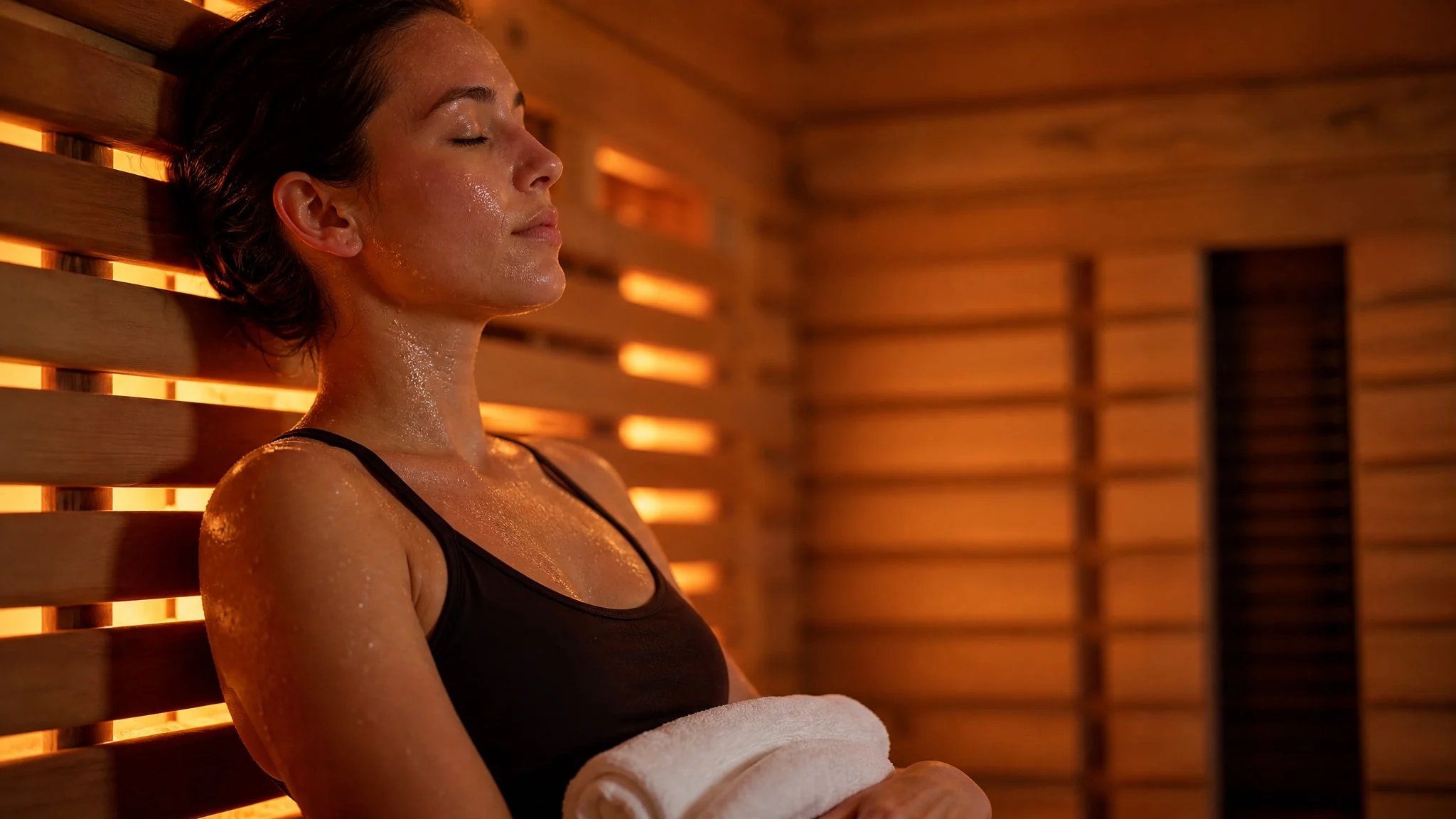
Some clients get additional benefit from pairing massage with infrared sauna time, either before or after their session. The heat helps muscles loosen further and supports the same nervous-system shift massage encourages, which can make the calming effect last longer. It’s not a required add-on, but it’s worth asking about if you want a more customized approach to your stress-relief routine.
Finding Massage Therapy for Anxiety Relief in the Pickerington and Columbus Area
If you’re in Pickerington, Columbus, Reynoldsburg, or Canal Winchester, you don’t have to search far for massage therapy built around real outcomes rather than spa ambiance. Body Ache Escape treats massage as results-driven care delivered in a calm, purpose-built space in Pickerington, not spa ambiance for its own sake. That distinction matters if you’re looking at this as a genuine stress-management tool rather than an occasional treat. Readers closer to the city center can also compare best massage options in Columbus as part of the same search.
Using HSA/FSA Funds for Stress-Relief Massage
Can you use HSA or FSA funds for stress-relief massage therapy in Ohio? Often, yes, particularly when massage is recommended as part of managing a diagnosed condition such as chronic stress, anxiety, or related muscle tension. The details depend on your specific plan, so it’s worth checking your account guidelines or getting a note from your provider if needed. For a closer look at how this works, see the guidance on using your HSA for massage sessions, and if you’re working with a flexible spending account instead, the breakdown of FSA-eligible massage therapy in Ohio covers the specifics. Either way, this framing helps: massage for anxiety relief isn’t an indulgence you have to justify. For many people, it’s a legitimate line item in ongoing healthcare, the same as a therapy copay or a prescription refill.
What Makes a Massage Center in Ohio Worth Choosing
Not every massage studio is set up to treat stress and anxiety as seriously as pain. Look for therapists trained in clinical, not just relaxation, techniques, and a space that feels calm without feeling precious about it. If you’re dealing with chronic pain alongside your stress, massage therapy near Pickerington for pain relief is worth a look, since pain and stress so often travel together. For those who want lower-commitment options between sessions, some clients also ask about zero gravity massage chair benefits as a way to extend relief at home.
If chronic stress or anxiety has been sitting in your shoulders, your jaw, or your sleep for too long, a session of therapeutic massage in Pickerington is a concrete place to start. You don’t have to keep pushing through discomfort, and you don’t have to wait until it gets worse to ask for help managing it.