If you’ve been sitting on an HSA or FSA balance wondering whether massage therapy counts, you’re not alone, and the answer is better than most people expect. Yes, you can use HSA for massage therapy, but there’s a specific condition attached. The IRS draws a clear line between massage as medical treatment and massage as a spa day, and knowing which side of that line you’re on makes all the difference. Here’s the plain-English breakdown of what qualifies, what paperwork you need, and how to walk into Body Ache Escape in Pickerington and pay with your benefits card, no runaround required.
The Short Answer: Yes, But Only Under Certain Conditions
Massage therapy is HSA and FSA eligible when it is medically necessary and recommended by a licensed healthcare provider for a diagnosed condition. That’s the rule, straight from the IRS.
What’s not eligible: massage you book because you’re stressed, sore from the gym, or just want a nice hour to yourself. The IRS doesn’t cover general wellness or relaxation, even if the massage genuinely helps.
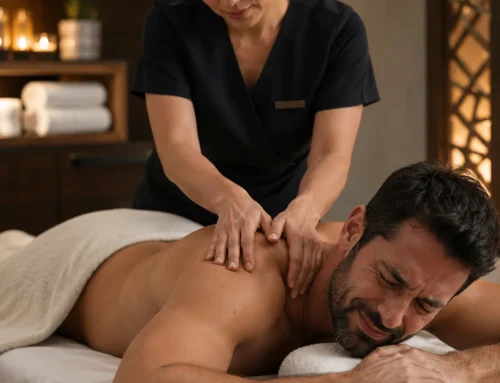
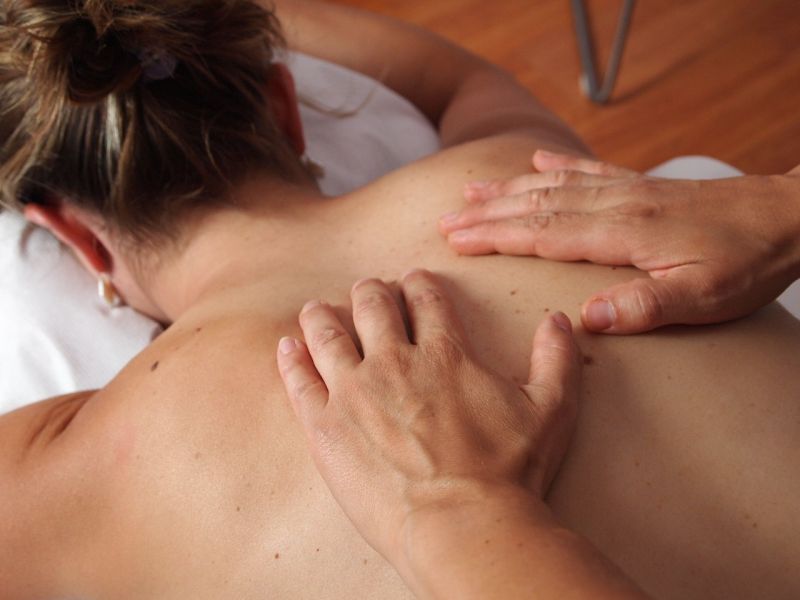
What is eligible: massage prescribed as part of treating a specific medical condition, backed by documentation from your doctor, chiropractor, physical therapist, or another licensed provider. The moment a medical purpose is on paper, the expense crosses into qualifying territory.
That distinction is the whole ballgame. Keep reading and you’ll have everything you need to clear it.
What Makes a Massage HSA Eligible?
The IRS defines qualified medical expenses under Section 213(d) as amounts paid for the diagnosis, cure, mitigation, treatment, or prevention of disease. Massage therapy falls under that definition when it’s prescribed for a specific medical condition, not for general wellness. The standard isn’t complicated, but it does require a documented medical link.
Conditions That Typically Qualify
Clients with the following conditions are the clearest candidates for HSA-eligible massage, because the medical necessity link is already built into their treatment:
- Chronic back or neck pain, lumbar strain, herniated discs, muscle spasm
- Post-injury rehabilitation, recovery from sprains, strains, surgery, or accidents
- Tension headaches and migraines, where muscle tension is a documented contributing factor
- Anxiety-related muscle tension, when diagnosed and documented by a mental health or primary care provider
- Fibromyalgia and chronic pain syndromes
- Sciatica and nerve-related pain
- Repetitive strain injuries, carpal tunnel, tendinitis, and similar conditions
This isn’t an exhaustive list. If your condition causes pain, limits mobility, or is being actively managed by a healthcare provider, it’s worth asking that provider whether therapeutic massage fits your treatment plan, and whether they’ll put it in writing.
The Letter of Medical Necessity: What It Is and Why You Need One
A Letter of Medical Necessity (LMN) is a written statement from your licensed healthcare provider confirming that massage therapy is medically necessary for your specific condition. It’s the single most important document you can have when using HSA or FSA benefits for massage.
Who can write one: Any licensed healthcare provider, your primary care physician, orthopedic specialist, chiropractor, physical therapist, or psychiatrist. It doesn’t have to be elaborate.
What it should include:
- Your name and diagnosis (the specific condition being treated)
- A statement that massage therapy is recommended as part of your treatment
- The recommended frequency or duration, if applicable
- The provider’s signature, credentials, and contact information
Why it matters: Your HSA or FSA administrator may audit your expenses. Without an LMN, a massage charge looks identical to a spa visit. With one, it’s a documented medical expense. Keep the letter on file, you don’t always have to hand it over at checkout, but you need it if you’re ever asked.
A patient recovering from a lumbar strain whose physician writes an LMN recommending therapeutic massage for pain and mobility restoration is a textbook qualifying case. The medical link is direct, documented, and defensible.
HSA vs. FSA for Massage Therapy: What’s the Difference?
The eligibility rules are the same, if the massage qualifies for one, it qualifies for the other. The difference is in how the accounts work.
HSA (Health Savings Account): Paired with a high-deductible health plan. Your contributions roll over year to year, and the balance is yours to keep even if you change jobs or health plans. There’s no deadline pressure, but that doesn’t mean you should let qualifying medical expenses go unpaid out of pocket when you have the funds sitting there.
FSA (Flexible Spending Account): Employer-based, and subject to a use-it-or-lose-it rule. For most employer-sponsored plans, unused FSA funds expire on December 31 of the plan year, meaning dollars not spent by December 31, 2026 are forfeited. If you have FSA money and a qualifying condition, the clock is genuinely ticking.
Both accounts work the same way at checkout. The card looks like a debit card; you swipe it and the expense is drawn directly from your balance.
How to Pay for Massage With Your HSA Card at Body Ache Escape
The process is simpler than most people assume. Here’s how it works from start to finish:
- Get your Letter of Medical Necessity. Talk to your healthcare provider about your condition and ask them to write an LMN recommending therapeutic massage. This is step one, everything else follows from it.
- Book your appointment. You can book online or call us directly. Our therapeutic massage services in Pickerington, OH are focused on clinical results, not spa ambiance, so you’re already in the right place.
- Present your HSA or FSA card at checkout. Body Ache Escape accepts HSA and FSA cards directly. We’ve been doing it since we opened in June 2010. There’s no reimbursement form to mail, no claims process to navigate, you pay, and it comes straight from your account.
We serve clients throughout the Columbus area, with our clinic based in Pickerington, OH. If you’ve been putting off treatment because you weren’t sure your benefits would cover it, this is your answer.
What to Bring to Your First Appointment
Keep it simple:
- Your Letter of Medical Necessity, have a digital or paper copy ready
- Your HSA or FSA card, it works at our terminal like any debit card
- Any relevant diagnosis paperwork, not always required, but useful if you have it
That’s it. You don’t need pre-authorization from your benefits administrator or a referral from your insurer. The LMN is your documentation; your card is your payment method.
It’s also worth knowing that some of our other modalities, including cupping massage therapy, may also qualify under your HSA or FSA when supported by an LMN. If you’re unsure whether a specific treatment applies, just ask us when you book.
Does Insurance Cover Massage Therapy Too?
Some health insurance plans do cover massage therapy, particularly when it’s ordered by a physician and tied to a specific diagnosis. Coverage varies widely, some plans include it as part of physical therapy benefits, others exclude it entirely, and many require prior authorization and limit the number of sessions per year.
HSA and FSA spending tends to be more immediate and reliable for most patients. There’s no prior authorization, no claim denial to appeal, and no network restriction, if you have the funds and the medical documentation, you can book and pay in one step. That said, it’s worth calling your insurer to ask, especially if you have a PPO or a plan with physical therapy riders. Using insurance and an HSA or FSA for different expenses in the same year is perfectly legal; just make sure you’re not double-dipping on the same charge.
For most people asking whether massage therapy qualifies, HSA or FSA is the faster and less frustrating path to getting treatment paid for.
Ready to Use Your HSA Benefits Before They Expire?
If you have an FSA, the deadline is real: unused funds expire December 31, 2026 for most plans. That’s not far off. If you’ve been meaning to address chronic pain, a nagging injury, or tension that’s been building for months, this is the window to act.
HSA funds roll over, but that doesn’t mean waiting is free, every month you delay treatment is another month of discomfort you didn’t have to push through.
Body Ache Escape has been helping people in the Pickerington and Columbus area find real, lasting relief since 2010. We’re not a spa. We’re a results-focused therapeutic clinic, and we take HSA and FSA cards directly at checkout, no paperwork maze, no reimbursement delay.
Get your LMN from your provider, then book with us. If you want to make the most of your planned therapeutic spend throughout the year, our Body Bank membership is worth a look too, regular massage works better when it’s consistent, not a once-a-year scramble.
You have the benefits. You have a condition that qualifies. The only thing left is booking the appointment.