That first step out of bed shouldn’t feel like stepping on broken glass. If you’re searching for plantar fasciitis massage near me because your heel pain has moved from a morning annoyance to a daily limitation, you’ve probably already tried ice, stretching, and expensive orthotics without lasting success. Body Ache Escape was founded in June 2010 by licensed massage therapists Michele and Kyron, and from the start the focus was results, not spa ambiance. Conditions like this need clinical attention, not a candle-lit relaxation hour. You don’t have to keep pushing through discomfort when targeted manual therapy can address the mechanical root of the problem.
Why Plantar Fasciitis Needs More Than Just Rest
Plantar fasciitis is a repetitive strain injury. It involves micro-tears and collagen degeneration, not just inflammation that fades if you stay off your feet. Taking pressure off the foot helps during a flare-up. But chronic cases develop adhesions and scar tissue that restrict movement and keep the pain cycle going no matter how much rest you get.
The Cycle of Morning Pain and Stiffness
The hallmark symptom is that sharp, stabbing pain on waking or after sitting a while. During sleep, the plantar fascia tightens and shortens as the foot relaxes into a pointed position. Stand up, load weight onto the arch, and those tightened fibers tear again at the attachment point on the heel bone. That’s a daily re-injury. The tissue never fully heals, and rest only buys you a few hours before the cycle starts over.
When Home Remedies Stop Working
Rolling your foot on a tennis ball and stretching against a wall are fine maintenance tools, but they rarely fix established dysfunction. Adhesions form between the plantar fascia and surrounding tissue over months of strain, and gentle self-care can’t break those down. Effective plantar fasciitis treatment addresses the entire posterior chain, calves and hamstrings included, not just the sole of the foot. Tension upstream adds mechanical load to the arch directly.
How Therapeutic Massage Targets Foot Pain
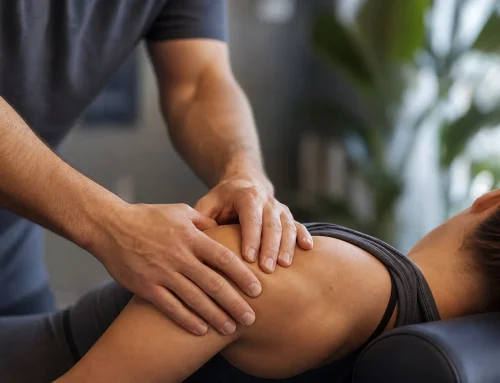
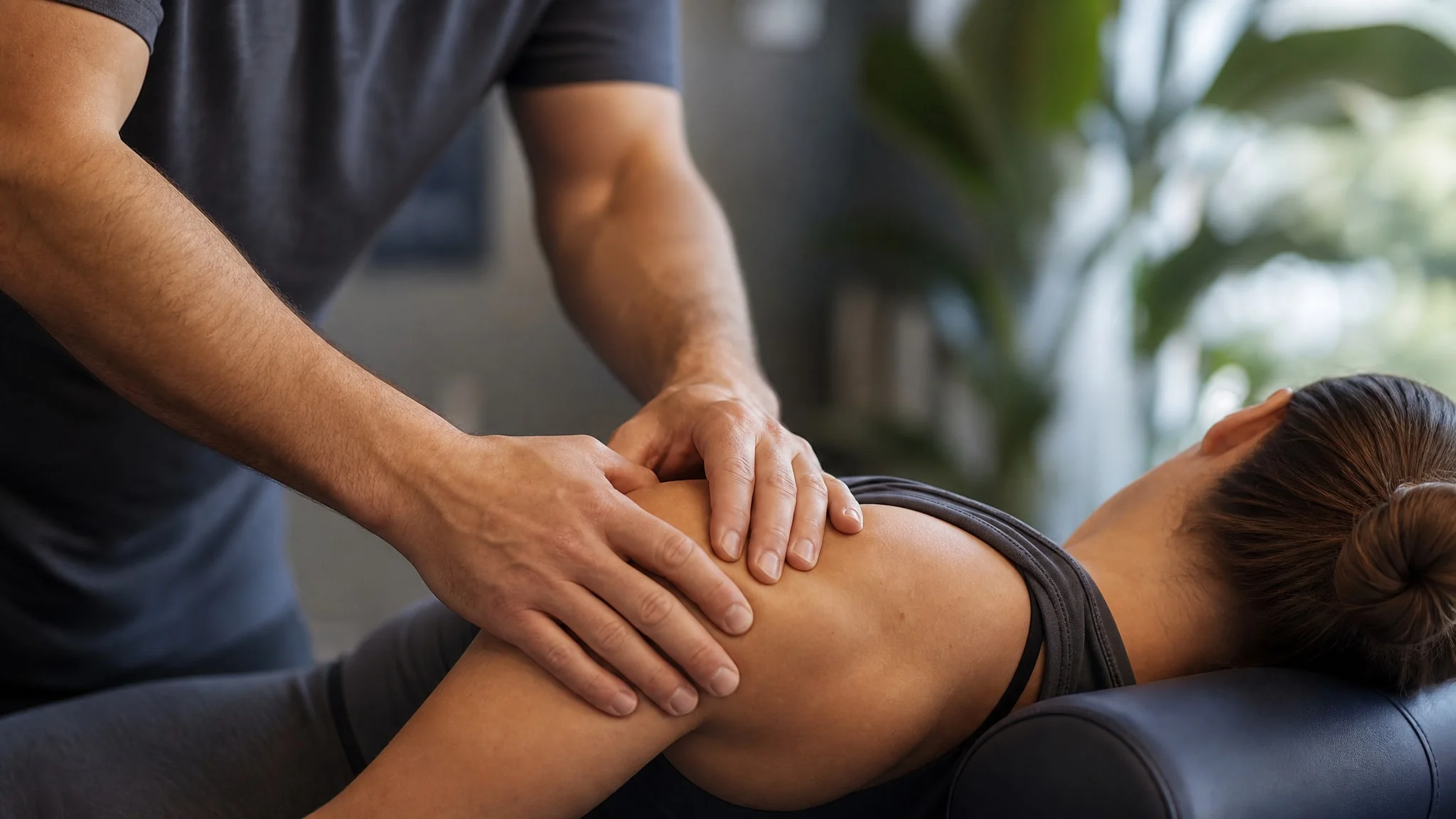
Therapeutic massage isn’t a spa pedicure with extra steps. It targets deep connective tissue dysfunction instead of offering superficial relaxation or cosmetic care. A pedicure might feel nice, but it does nothing to remodel damaged collagen or restore elasticity to thickened, restricted fascia.
Myofascial Release for the Plantar Fascia
Techniques like deep transverse friction and sustained myofascial release apply pressure across the grain of the tissue, mechanically separating adhered fibers. This stimulates fibroblast activity and encourages proper collagen alignment as the tissue heals, which is what lets the fascia absorb shock again. Clients often report that morning “first-step” pain drops noticeably after a series of targeted myofascial release sessions combined with calf stretching. The tissue regains functional length and resilience.
Addressing Calf and Achilles Tension
Your plantar fascia doesn’t work alone. It’s the far end of a myofascial chain that runs from your toes up through the Achilles tendon, gastrocnemius, soleus, and hamstrings. Tightness anywhere along that chain adds tensile stress to the plantar fascia with every step. Release the calves and hamstrings, and you take the constant pulling force off the heel attachment, giving the injured tissue actual room to recover instead of staying overloaded.
Improving Circulation for Tissue Repair
Chronic plantar fasciitis often comes with poor blood flow to the avascular zone near the heel insertion, and that slows healing. Deep manual work increases local circulation, brings oxygen and nutrients to that stubborn area, and flushes out the metabolic waste that contributes to pain sensitivity. Better circulation also improves tissue pliability, which makes the stretching and strengthening exercises that follow more effective and less likely to cause re-injury.
What to Expect During a Clinical Foot Massage Session
A clinical session for plantar fasciitis doesn’t feel like a massage built for relaxation. Expect active assessment, specific feedback requests, and work aimed at long-term tissue change over immediate comfort.
Assessment Before Treatment Begins
Before any hands-on work starts, your therapist needs to understand your specific case. That means gait analysis, range-of-motion testing, and palpation to find the exact trigger points and adhesion sites. This intake tells the therapist whether your pain comes mainly from the fascia itself, from compensatory muscle guarding, or from something higher up the kinetic chain. Skip that evaluation and you’re treating symptoms blind instead of your actual pattern of dysfunction.
Managing Discomfort vs. Pain During Therapy
Work on damaged fascia can feel intense, even uncomfortable, but there’s a real difference between productive discomfort and harmful pain. Productive discomfort feels like a deep ache or stretch that eases under sustained pressure and leaves the area feeling more open afterward. Sharp, shooting, or burning pain means the therapist is working too aggressively, or hitting nerve tissue. Your therapist should check in often and adjust pressure based on your real-time feedback, because forcing through protective tension causes guarding and works against the goal.
This approach is not for everyone who wants a gentle, soothing foot rub.
Enhancing Recovery with Complementary Therapies
Manual therapy works best when the tissue is ready for it, and combining approaches can speed up progress on stubborn cases. Heat therapy in particular tackles the stiffness that makes plantar fasciitis so resistant to treatment on its own.
Combining Massage with Infrared Heat Therapy
Infrared sauna sessions before massage raise core temperature and warm the tissue deeply, which makes the fascia more pliable and responsive to manual work. That pre-treatment heat means less pressure is needed to get therapeutic change, so the session is more tolerable without losing effectiveness. Infrared exposure after the massage supports continued circulation and may cut down on delayed soreness, so you stay mobile between appointments instead of feeling beaten up after intensive fascial work.
Finding Qualified Plantar Fasciitis Massage Near Me
Not every licensed massage therapist has the training to treat orthopedic conditions safely and effectively. Searching for plantar fasciitis massage near me turns up plenty of results, but verifying real competency means asking specific questions before you book.
Licensure and Specialized Training Matter
Basic licensure covers minimum safety standards, not proficiency with musculoskeletal conditions like plantar fasciitis. Look for therapists with continuing education in orthopedic massage, sports massage, or myofascial release specifically. Those programs teach the anatomy, pathology, and technique adjustments needed for repetitive strain injuries, in a way general relaxation training simply doesn’t cover, including the clinical reasoning needed to tell fascial restriction, nerve entrapment, and stress fracture apart.
Questions to Ask Before Booking
Ask how many plantar fasciitis clients a provider treats monthly, what specific techniques they use beyond general Swedish massage, and whether they run functional assessments before treatment starts. Ask about their typical treatment timeline and what outcomes they consider realistic for chronic versus acute cases. A qualified clinician answers these with specifics and confidence, not vague promises of relief, and will tell you plainly when referral to another provider makes more sense than continued massage.
Using HSA and FSA Funds for Foot Pain Relief
Therapeutic massage for diagnosed musculoskeletal conditions like plantar fasciitis is generally considered a qualified medical expense for HSA and FSA reimbursement, per IRS guidelines. That means you can use pre-tax dollars for clinically indicated treatment, which lowers your out-of-pocket cost and makes consistent care easier to afford.
Body Ache Escape accepts HSA and FSA cards directly for eligible treatments, and provides the documentation you need for reimbursement if your plan requires itemized receipts or letters of medical necessity. Consistency matters more than frequency for plantar fasciitis recovery, and removing the financial friction helps you keep up the regularity that actually produces lasting tissue change. Most clients see real improvement within four to eight sessions when treatment is spaced appropriately and backed by home care, though timelines vary with severity, how long you’ve had symptoms, and how well you stick to activity modifications.
Maintaining Results Between Appointments
Professional massage creates the opening for change, but what you do between sessions decides whether that change sticks. Lasting recovery means working safe self-care and smart load management into your daily routine.
Safe Self-Massage Techniques
Frozen water bottles and lacrosse balls offer decent interim relief, but aggressive rolling on irritated tissue often makes things worse by triggering protective inflammation. Use gentle, sustained pressure rather than forceful grinding. Limit self-massage to two or three minutes per session, and stop right away if you feel sharp pain or notice more tenderness the next day. These tools work as brief maintenance between professional sessions, not as a substitute for skilled manual therapy that gets at deeper structural restrictions.
Footwear and Activity Modifications
No amount of massage can undo the damage from wearing unsupportive shoes daily or jumping back into high-impact activity too soon. Choose footwear with real arch support and cushioning, even inside the house. Avoid barefoot walking on hard surfaces while you’re recovering, and bring running or jumping back gradually, only once morning pain has resolved. Load management is the foundation that lets manual therapy actually stick, because treating the tissue while you keep overloading it is like bailing water from a sinking boat without plugging the hole.