Deciding between a zero gravity massage chair and table massage often comes down to one question: does your body need decompression, or does it need someone’s hands on the actual problem? Both offer real relief, but they get there in completely different ways, and each fits a different phase of recovery. If you’re dealing with chronic pain in Pickerington or the surrounding Columbus area, knowing the difference saves you time and makes sure your session actually treats the cause instead of just masking it for an afternoon.
TL;DR
- A zero gravity massage chair reclines you with your legs raised and runs an automated roller massage, with no therapist involved. It’s best for general tension, relaxation, and upkeep between appointments.
- A licensed massage therapist adjusts pressure and technique to what they feel, which is what specific knots, imbalances and stubborn pain patterns need.
- Neither one replaces the other. Many clients use the chair between table sessions.
- At Body Ache Escape in Pickerington, chair sessions are $40 for 30 minutes or $60 for 60 minutes, with a 260 lb weight limit.
- HSA/FSA use for massage requires a prescription or Letter of Medical Necessity from your doctor.
Understanding the Core Difference Between Chair and Table Therapy
Zero gravity positioning lifts your legs above heart level so your weight spreads evenly across the spine. The reclined position takes load off your lower spine while the chair’s rollers and air compression massage your back and legs, with no therapist’s hands involved. Table work does the opposite. You’re grounded on a stable, horizontal surface while a therapist applies specific, directional pressure into the tissue that’s actually restricted.
Neither one beats the other. They’re different tools for different states your body might be in, and figuring out which state you’re in tells you whether you need to float for a while or be treated directly.
You can’t replicate the diagnostic feedback loop of human hands with automated rollers, no matter how advanced the programming gets.
So the real question is what’s standing between you and relief. If it’s gravitational load on the spine, the chair is your answer. If it’s soft tissue that’s adapted badly to stress and needs to be remodeled, you need the table.
When a Zero Gravity Chair for Back Pain Is the Right Choice
A zero gravity chair for back pain earns its keep when lumbar compression or sciatic irritation makes lying face-down unbearable. Neutral spine alignment opens up the space between vertebrae passively, easing pressure on nerve roots without asking already-guarding muscles to relax enough for deep manual work. For clients in Reynoldsburg or Canal Winchester in the middle of an acute flare-up, this is what gets you through the inflammatory phase, when direct tissue manipulation would just trigger more protective spasm.
It’s also a solid maintenance tool between clinical sessions. Twenty minutes in zero gravity after a long week can head off the stiffness that usually piles up by Monday morning, keeping you functional between the deeper work that actually changes things. And if face-down positioning is off the table entirely, because of pregnancy, respiratory issues, or recent abdominal surgery, zero gravity gives you a therapeutic option that doesn’t put your comfort or safety at risk.
What it won’t do: work out muscle knots, break up scar tissue, or fix the asymmetrical tension patterns that build up over years of compensating for something else. It manages load and opens space, but it can’t retrain tissue, and it can’t touch whatever caused that load to become a problem in the first place.
Why Table Massage Remains Essential for Complex Pain Patterns
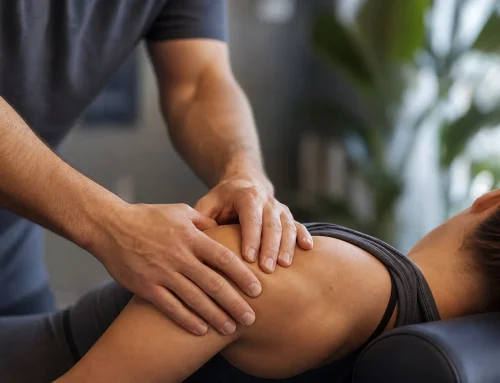
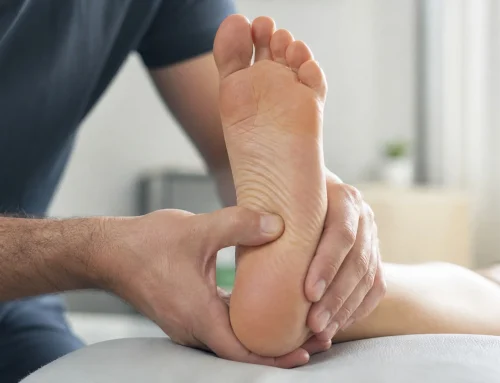
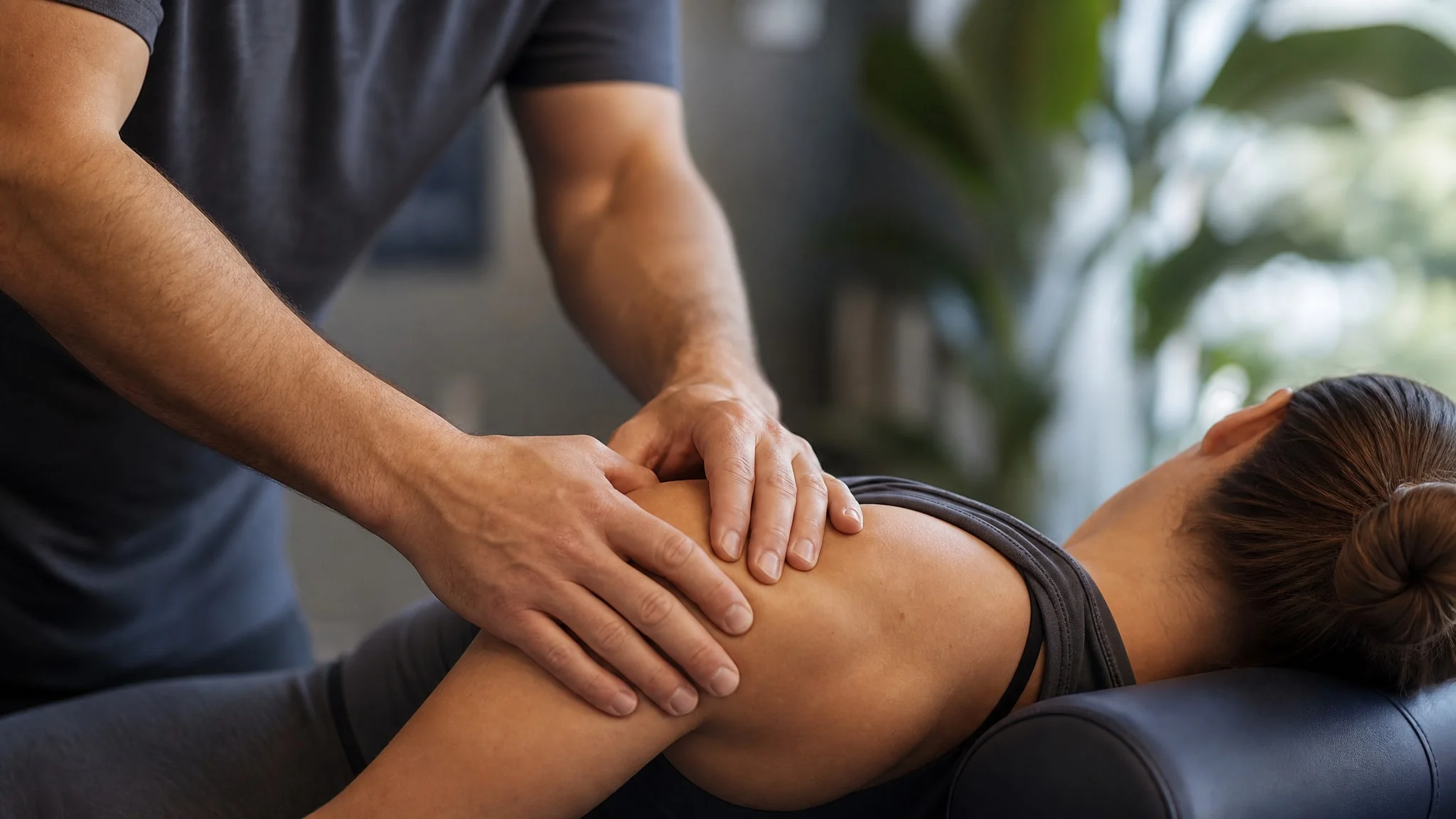
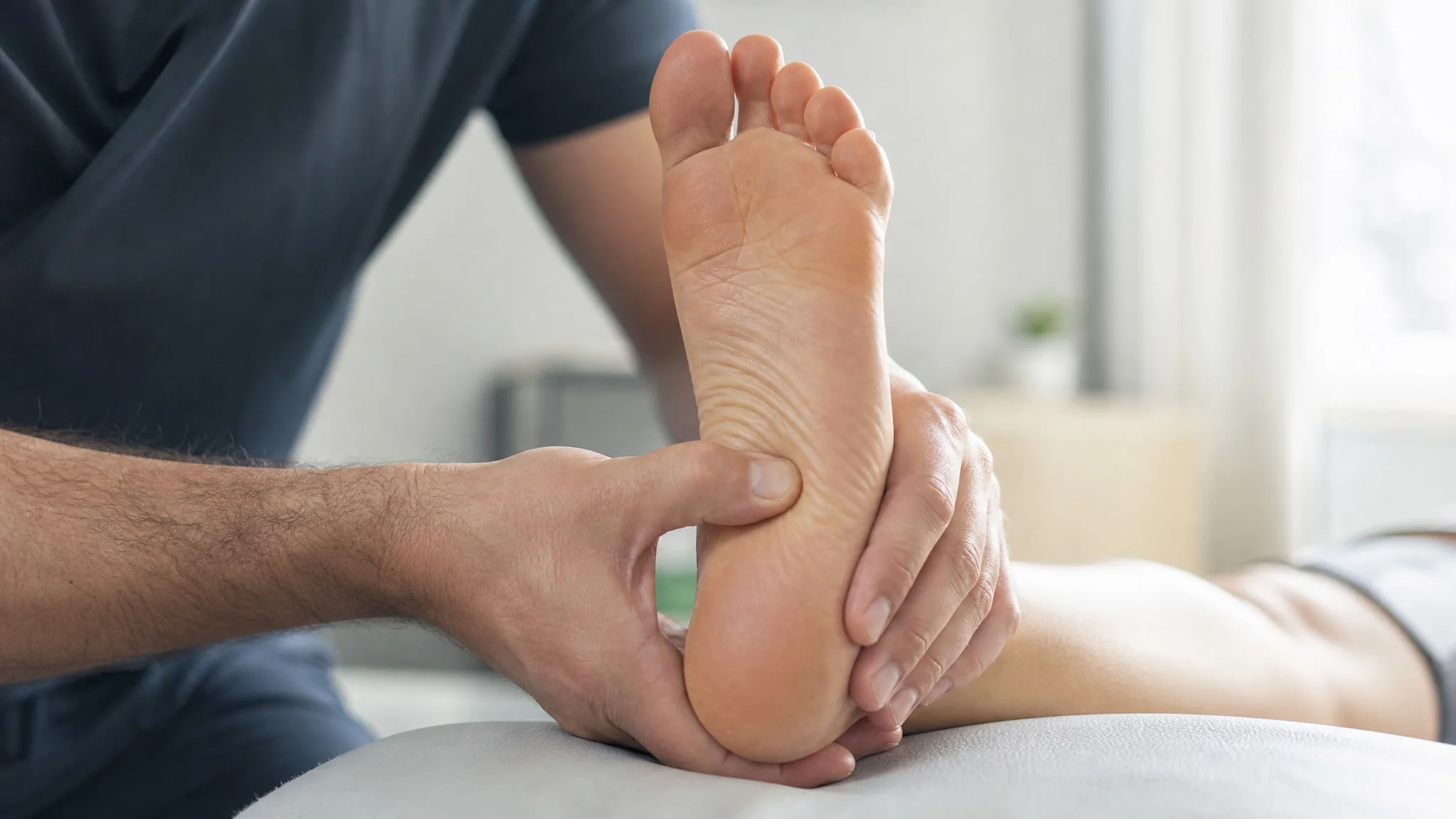
Licensed therapists use table massage for the specific, localized problems automated systems simply can’t find: asymmetrical muscle imbalances, adhesions in scar tissue, trigger points that refer pain somewhere else entirely. Human hands pick up on subtle differences in tissue texture, temperature, and tension, and a good therapist adjusts pressure, angle, and technique in real time based on what your body does in response. That kind of responsiveness matters most with something like a herniated disc or chronic neck strain, where the wrong pressure in the wrong direction can make things worse instead of better.
Your therapist changes course mid-session based on what they feel under their hands. No pre-programmed setting, however many sensors it has, can do that. This is the clinical reasoning behind safe techniques for herniated discs, work built to respect your injury’s limits while still moving you toward healing. Table work also treats the whole kinetic chain: how a tight hip might be driving shoulder pain, or how an immobile ankle is quietly straining your lower back. Those connections live in your particular body, not in an algorithm.
Body Ache Escape has provided therapeutic massage in Pickerington since 2010, with clinicians trained to figure out whether decompression or manual therapy fits your pain pattern best. That’s a conversation and a hands-on evaluation, not a menu you pick from, so the treatment matches what’s actually going on rather than what you assumed you needed walking in.
Massage Chair vs Massage Therapist: Comparing Customization and Outcomes
The gap between mechanical consistency and clinical judgment shapes everything about the outcome when you weigh a massage chair against a massage therapist. Chairs give you predictable, repeatable pressure that’s great for general relaxation, better circulation, and easing tension across broad muscle groups. Therapists give you something else: ongoing assessment, changing technique based on how your tissue, your breathing, and your feedback respond, aimed at the root cause instead of the surface symptom.
A chair gives you the same output every time. A clinician notices when your trapezius suddenly guards against pressure that felt fine thirty seconds earlier, and responds to that. Licensed massage therapists Michele and Kyron are clear on this point: zero gravity positioning supports spinal health, but it can’t replace hands-on assessment when there’s an underlying musculoskeletal problem to treat. That distinction matters a lot once your goal is more than feeling relaxed for an hour, once you actually want your body to function differently day to day.
Mechanical therapy has no diagnostic capability at all. It can’t tell you that your right levator scapulae is tight because of a restriction in your left rib cage, and it can’t adjust when your nervous system signals it’s had enough through some subtle shift in your posture. Understanding these differences helps when choosing the right massage technique for your situation, so you’re not expecting one modality to deliver what only the other one can.
Is a Massage Chair as Good as a Real Massage for Your Specific Complaint?
Whether a massage chair is as good as a real massage depends entirely on what you actually need it to do. For decompression, stress relief, and maintenance between clinical visits, zero gravity therapy delivers real value for spinal health and a calmer nervous system. For rehab, tissue remodeling, and fixing the specific patterns that are causing pain or limiting how you move, hands-on table work is the one that treats cause instead of symptom, and nothing replaces it there.
Acute pain with a lot of inflammation usually does better, at first, with zero gravity positioning, since it eases nerve irritation without the protective guarding that direct tissue contact can trigger. Chronic pain rooted in shortened tissue, fascial restriction, or motor control problems needs the specificity of manual therapy to actually change, though zero gravity sessions pair well with that work during recovery. Both have real, legitimate uses when matched to the right condition at the right time. Neither one is a stand-in for the other.
You may be able to use HSA or FSA funds for massage when your doctor provides a prescription or Letter of Medical Necessity for a diagnosed condition. See . That’s often what tips the decision toward table-based care when insurance coverage applies, though zero gravity sessions still pull their weight as an add-on even paid out of pocket.
Making Your Decision at Body Ache Escape in Pickerington
Before you book, take stock: how bad is the pain right now, what’s your mobility like, and what’s the actual goal? Acute flare-ups and chronic dysfunction call for different starting points. Our clinicians can walk you through which modality fits during a consultation, so you’re not choosing based on preference when your body needs something else entirely. Clients with acute lumbar compression often start with zero gravity sessions to calm nerve irritation, then move to targeted deep tissue work on the table once the inflammation settles down, so the treatment matches how ready the tissue actually is instead of forcing something too soon.
If you’re not sure which path is right for you, book a consultation and let us help you figure out whether decompression or manual therapy should come first. HSA and FSA eligibility for therapeutic sessions makes table work financially workable once medical necessity is documented, so cost doesn’t have to be the reason you put off care for a documented pain condition. You deserve treatment that matches what’s actually wrong, not a guess based on a marketing claim.
If you’re in this for the long haul, explore membership options for ongoing care that make regular sessions sustainable without wrecking your budget.
Combining Modalities for Comprehensive Relief
Zero gravity sessions and clinical table work aren’t an either-or. Used together, they hold onto the gains you make in deeper sessions between appointments. A lot of clients alternate: zero gravity to manage the daily wear of compressive load, table work reserved for the periodic, more intensive tissue remodeling and neuromuscular reeducation. Pain rarely comes from one source, so it rarely goes away with one tool used forever.
Infrared sauna therapy is another piece of that picture, helping circulation and tissue pliability no matter whether your main session is chair or table. Reading up on infrared sauna benefits for recovery shows how thermal therapy can boost what either modality does on its own. And just as a cupping versus deep tissue comparison shows how different manual techniques serve different purposes, stacking mechanical decompression with hands-on work and heat hits pain from more than one angle at once.
Recovery isn’t a straight line. Having more than one tool on hand means your plan can shift as you move through the seasons of healing, setbacks, and progress.