You’ve probably tried stretching your hamstrings, icing your lumbar spine, and resting. The ache in your lower back is still there. That kind of stubborn discomfort often means the real problem isn’t in your back at all. It’s in the hip joint or the muscles around it. Low back pain caused by hip dysfunction gets missed constantly, because the pain shows up so far from where the actual restriction lives. That’s how people end up spending months treating the wrong area.
Clinical experience shows that clients who come in with “stubborn” low back pain often only get real improvement once we address hip mobility and glute function directly. You don’t have to keep pushing through discomfort that comes from a mechanical issue an X-ray won’t show. Understanding that connection is the first step toward relief that actually lasts, instead of managing symptoms on repeat.
Why Your Low Back Pain Might Actually Be a Hip Problem
Your body works as one connected system. Stiffness in one joint forces another joint to move past its safe limits during ordinary tasks. When your hips lose their ability to rotate or extend fully, your lumbar spine ends up absorbing rotational torque and compressive load it was never built for, whether you’re walking, bending, or lifting a bag of groceries.
The Kinetic Chain Connection
The kinetic chain describes how different parts of the body work together during movement, and the hip sits right at the center of that relationship for the lower body. Research consistently indicates that hip osteoarthritis and lumbar spine disorders frequently coexist, with hip pathology often preceding or worsening back symptoms in adults over 40. A stiff hip capsule blocks proper femoral rotation during walking. The pelvis has to tilt to compensate, and that drags the lumbar vertebrae into repetitive shear stress with every step.
This compensation happens below your conscious awareness, until tissue tolerance runs out and pain finally gets your attention. Treating the back alone often fails for a simple reason: the therapist ends up working on the victim of poor mechanics instead of the actual cause hiding in the hip joint.
Common Misdiagnoses in Chronic Back Pain
Many people assume their pain is spinal because that’s where they feel it most. But where you feel it isn’t always where it starts. A common presentation involves office workers whose anterior pelvic tilt from prolonged sitting creates constant lumbar compression that mimics disc pathology, but actually resolves with psoas release and hip flexor stretching. Without a real functional assessment, even well-meaning providers can end up treating muscular guarding in the back while missing the shortened hip flexors pulling the pelvis out of alignment all day.
Key Signs Low Back Pain Is Caused by Hip Tightness
Telling spinal pain apart from hip-origin pain comes down to paying attention to referral patterns, since they map to soft tissue rather than nerve roots. Pain wrapping around the buttock, sitting deep in the groin, or radiating across the outer thigh usually points to hip musculature. True sciatica, by contrast, travels sharply down the back of the leg, past the knee.
Pain Patterns That Point to the Hips
Gluteal trigger points often refer pain to the sacroiliac region and low back as a diffuse ache. It gets worse with standing or walking and eases when you sit. Iliopsoas tension works differently: it creates a vertical band of pain alongside the lumbar spine that intensifies when you go from sitting to standing, or when you try to lie flat on your back. Both feel very different from the sharp, electric quality of nerve impingement, which helps you narrow down whether you’re dealing with muscular compensation or structural spinal damage.
Our approach at Body Ache Escape prioritizes functional assessment over relaxation protocols, so treatment targets the actual mechanical restrictions behind your pain.
Simple Movement Checks You Can Try at Home
You can run a couple of basic self-checks to see whether hip mobility might be limiting your back health, before you ever book an appointment. Lie on your back at the edge of a bed with one knee pulled to your chest, letting the other leg hang off the side. If that hanging thigh can’t drop below horizontal without your back arching, your hip flexors are shortened, and significantly so. Another check: sit in a chair and cross one ankle over the opposite knee. If you can’t fold forward at the hips without rounding your spine or feeling a sharp pinch, an external rotation restriction is likely driving your lumbar strain.
These aren’t diagnostic tools. They’re indicators that a professional should take a closer look.
Hip Muscles Most Often Linked to Lumbar Strain
Specific muscles take the brunt of a sedentary lifestyle, and the dysfunction patterns that follow are predictable enough that therapists see them daily. Knowing which structures are compromised explains why a generic back massage only gives chronic sufferers a few hours of relief.
Gluteal Weakness and Overcompensation
Weak glutes shift load straight onto the lower back extensors during standing and lifting, because the primary hip stabilizers have essentially gone dormant. When the gluteus maximus fails to fire during hip extension, the erector spinae has to contract hard just to keep you upright. Tissue that’s built for stability ends up chronically tense and fatigued from doing a job it wasn’t designed for. In practice, that means your back muscles are doing double duty every time you stand up from a chair or carry a load, and that adds up to the microtrauma behind persistent soreness.
Addressing muscle spasms in the back without reactivating the glutes is like bailing water from a sinking boat without plugging the hole.
Hip Flexor Dominance from Sitting
Prolonged sitting shortens the iliopsoas and rectus femoris, pulling the pelvis into anterior tilt and increasing lumbar compression even when you’re just standing still. This shortening builds gradually over years of desk work or driving. Eventually normal upright posture starts to feel uncomfortable, and the back muscles stay locked in a state of protective contraction. Releasing these deep anterior hip structures is often the missing piece for people who’ve tried every back stretch there is without lasting results.
Therapeutic Massage Approaches for Hip-Related Back Pain
Not all massage produces the same physiological change. Treating hip-origin back pain takes specific clinical intent, not general relaxation technique. Knowing the difference helps you choose care that actually addresses mechanical dysfunction, rather than just a temporary endorphin release.
Targeted Soft Tissue Work vs. General Relaxation
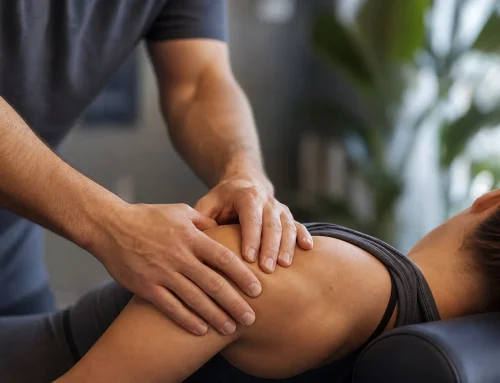
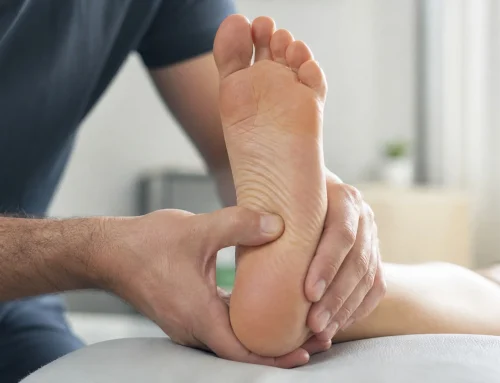
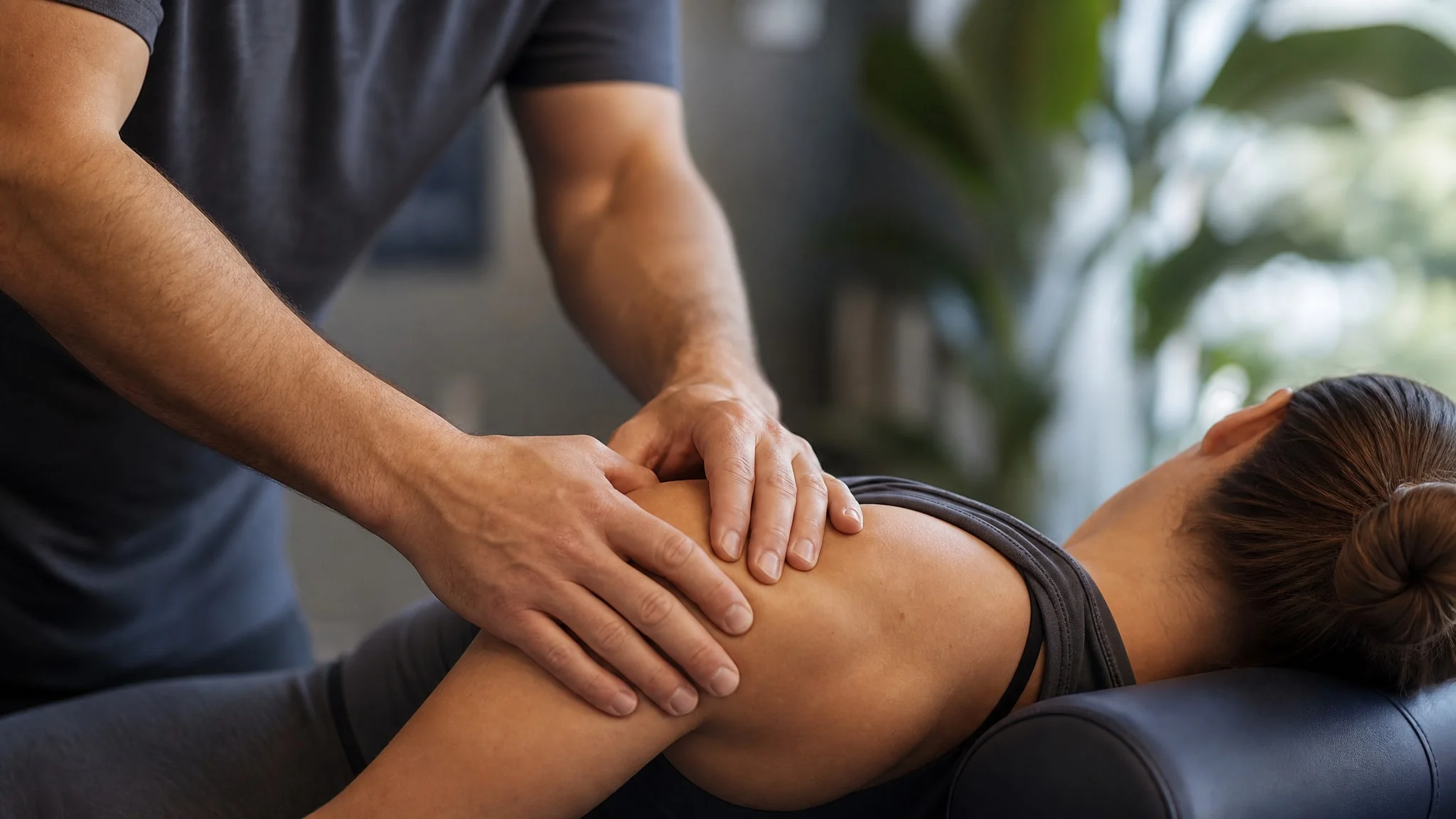
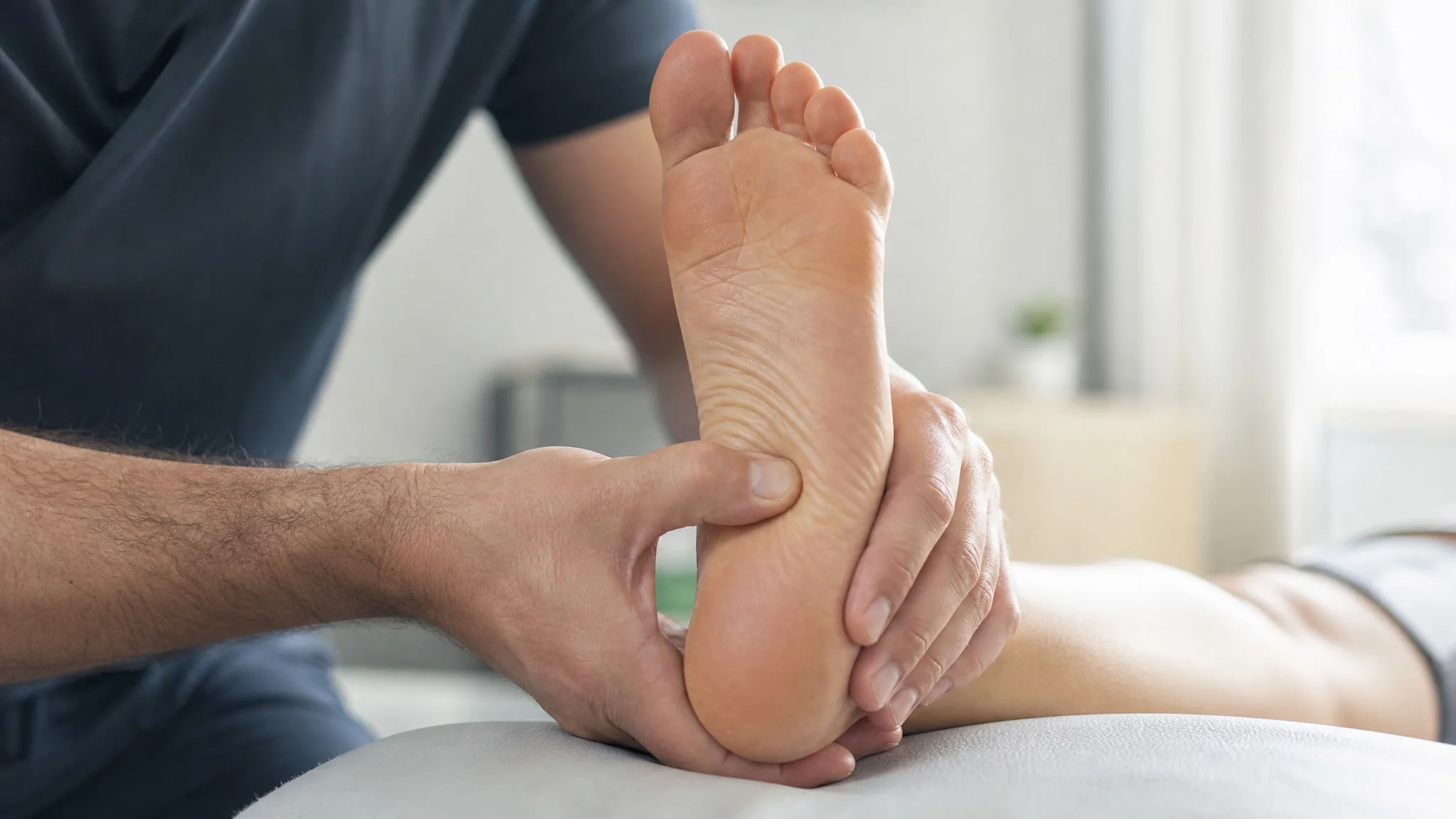
Effective treatment for this involves myofascial release of the psoas, gluteals, and tensor fasciae latae, using sustained pressure and active engagement rather than broad effleurage strokes. Choosing the right massage technique matters a lot here, because Swedish massage may feel great but won’t remodel the dense connective tissue restricting your hip capsule. Deep tissue work combined with neuromuscular therapy targets the specific adhesions and trigger points keeping the compensation pattern in place, and it takes real communication about tolerance to make progress without triggering protective guarding.
Cupping therapy can also help lift restricted fascia in the gluteal region, reaching deeper layers where manual pressure alone struggles.
Integrating Heat Therapy for Deeper Release
Combining manual therapy with infrared sauna sessions improves tissue pliability and reduces neurological guarding before hands-on work even starts. Therapeutic heat for pain relief penetrates deeper than a heating pad, increasing blood flow to hypoxic tissue and letting the nervous system downregulate protective tension more readily during treatment. This combination works especially well for chronic hip tightness, since the warmth preps the tissue for the specific mobilization needed to restore range of motion. Each session ends up more productive than either approach on its own.
Corrective Movement Strategies Beyond the Treatment Table
Manual therapy opens a window for better movement, but what you do between sessions decides whether those gains stick or fade within days. Lasting relief means reinforcing the new motor pattern while the tissue is still responsive to change.
Mobility Drills That Support Manual Therapy
Low-load hip mobility work done daily helps maintain the range of motion gained during clinical sessions and keeps the nervous system from sliding back into old protective patterns. Movements like the 90/90 stretch, supine figure-four, and controlled articular rotations should be done gently, without forcing end ranges. Focus on smooth control rather than aggressive stretching that triggers rebound tension. Consistency matters more than intensity here, because frequent low-threshold input teaches the brain that the new range is safe.
Strengthening to Prevent Recurrence
Progressive glute activation keeps the pelvis stable between appointments and lets the back muscles return to their proper supportive role. Clamshells, glute bridges, and lateral band walks build endurance in the hip stabilizers, so they can handle daily demands without fatiguing and dumping the load back onto the lumbar spine. This strengthening phase isn’t optional for long-term resolution. Mobility without stability just recreates the original problem once the novelty wears off.
When to Seek Professional Assessment for Hip and Back Pain
Massage therapy has real limits, and knowing when symptoms need medical evaluation protects your safety and gets you the right care. Watch for sudden onset after trauma, progressive neurological issues like foot drop or numbness in the saddle region, unexplained weight loss, fever, or pain that wakes you at night no matter what position you’re in.
Licensed massage therapists work alongside healthcare providers on complex cases, and they’ll refer you out when symptoms fall outside their scope. If your pain includes bowel or bladder changes, severe weakness, or follows a recent fall or accident, see a physician before booking any bodywork, so fractures, infections, or cauda equina syndrome get ruled out first. Catching serious pathology early means faster medical treatment, and it means the rehab that follows builds on solid ground.
Building a Sustainable Relief Plan in Pickerington
Recovery from hip-related back pain follows its own path rather than a fixed package of sessions, because tissue adapts at different rates for different people. Some people notice real change within three to four visits. Others, with longstanding compensation patterns, need eight to twelve weeks of consistent care to retrain movement habits that are years in the making. Planning should factor in your lifestyle, your recovery capacity, and your goals, not a generic protocol that ignores your context.
If you’re in Columbus, Reynoldsburg, Canal Winchester, or Pickerington, this kind of care is easier to access than you’d think, since eligible treatments can be paid for with HSA or FSA funds. Putting your money toward outcomes-focused therapy instead of a luxury spa experience makes sense when the goal is pain-free movement, and it can save you from costly imaging or specialist visits later. Schedule a therapeutic assessment to find out whether your low back pain is coming from your hips, and get a plan built around your body and your life.