Searching for a sauna in Columbus, Ohio usually turns up luxury spas and gym amenities. Finding a truly therapeutic heat experience means looking past the eucalyptus scent and dim lighting. If you’re managing chronic pain, recovering from an injury, or just trying to stay mobile through humid Central Ohio summers and frozen winters, your criteria should focus on clinical benefit, not ambiance. The right facility treats heat as a modality for pain relief and tissue recovery, not a relaxation add-on.
Why Columbus Residents Seek Infrared Saunas for Pain Relief
You probably started researching infrared therapy because relaxation methods stopped touching the root of your discomfort. Plenty of wellness centers still market heat as a luxury perk, but residents in Pickerington, Reynoldsburg, and Pataskala increasingly want something more specific: outcomes that support active recovery and pain management.
Beyond Relaxation: Clinical Heat Therapy
Infrared heat works differently from the steam rooms at local gyms. It targets tissue directly instead of just heating the air around you, and that distinction matters when you’re trying to loosen deep muscle tension or joint stiffness that hasn’t responded to anything else.
Body Ache Escape has offered infrared sauna services since 2010, built into a clinician-minded approach to pain relief, and accepts HSA/FSA for eligible treatments. We started this service because we kept seeing clients who needed more than manual manipulation to hold onto their progress between massage sessions. Heat therapy is a bridge: it keeps tissue pliable and circulation moving long after you’ve left the treatment table.
Local Demand for Recovery-Focused Wellness
Our community is full of practical people who treat wellness as maintenance, not indulgence. You might be a nurse at one of the Columbus hospital systems, a tradesperson dealing with repetitive strain, or a parent whose body carries the cumulative weight of caregiving and work.
Those demands add up to a need for accessible, results-oriented care that fits a real schedule without a resort budget. Therapeutic sauna use answers that need with a controlled environment where you can address inflammation and stress physiology efficiently. It’s a tool for staying functional, not just feeling pampered for an hour.
Infrared vs. Traditional Saunas: Understanding the Difference
Many first-time users hesitate because they associate saunas with unbearable heat and shortness of breath. Infrared technology changes that. Understanding the physiological difference helps you pick the right modality for your tolerance and your goals.
How Infrared Heat Penetrates Tissue
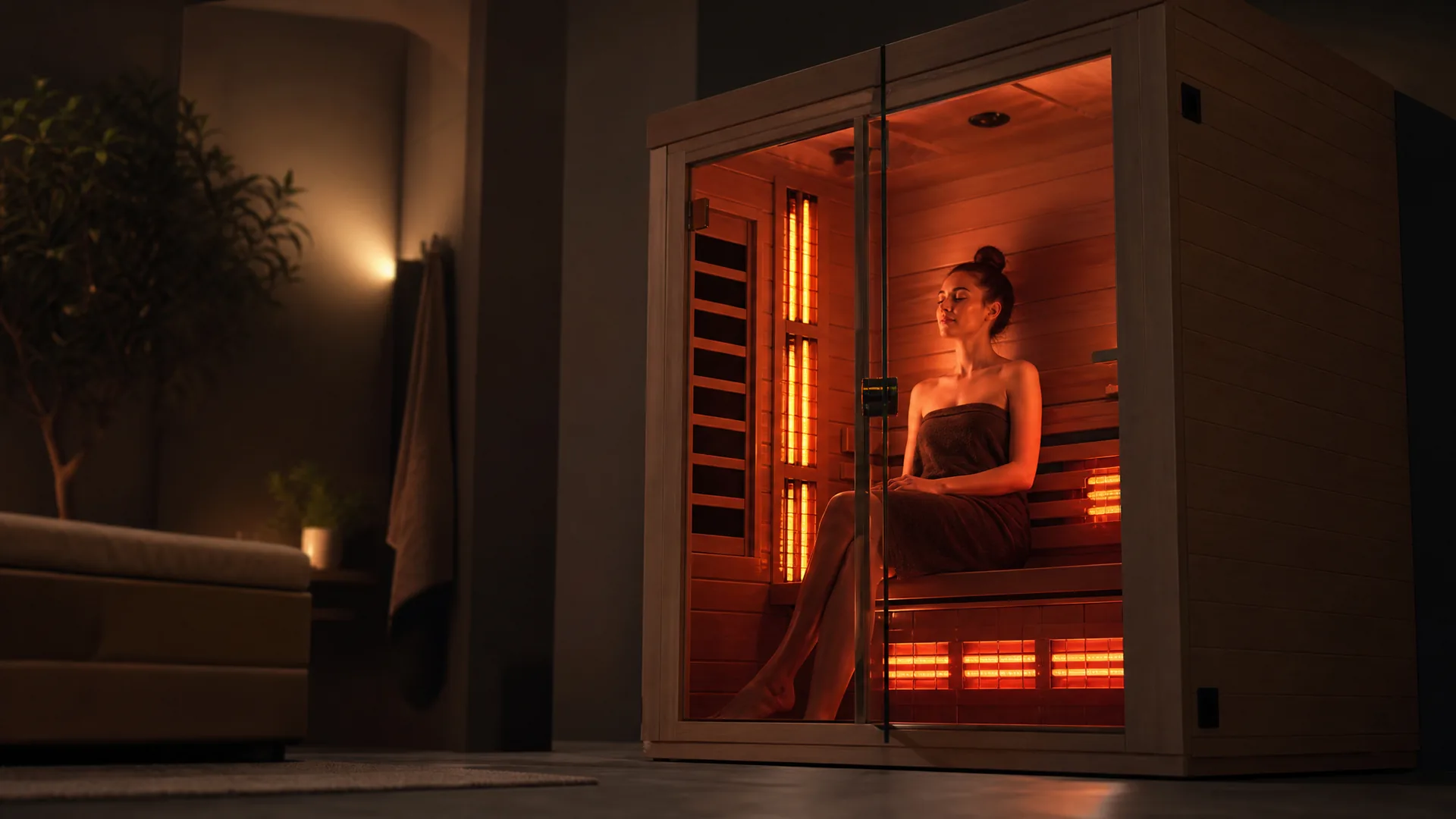
Traditional saunas heat the air to extreme temperatures, which then warms your body indirectly through convection and produces surface sweating. Infrared panels emit light energy that passes through the skin and warms your core and muscles directly, without superheating the air around you. That direct transfer allows deeper tissue penetration at lower ambient temperatures, which is why the experience feels tolerable even to people who find traditional saunas oppressive or claustrophobic.
Temperature and Tolerance Comparisons
Infrared saunas run at lower ambient temperatures, typically 120°F to 140°F, compared to traditional saunas that often exceed 180°F. That gap means you can stay in longer to get the therapeutic benefit without triggering the panic response that intense heat tends to cause.
Therapeutic sauna protocols often recommend sessions of 20 to 45 minutes, depending on your tolerance and what you’re trying to achieve. That extended duration is only possible because the heat feels gentler on your lungs and skin, even while it still produces a real sweat response. You get the circulatory and muscular benefit of deep heating without the respiratory distress that cuts a traditional session short.
Key Features of a Results-Driven Sauna Experience
Not every infrared installation delivers the same standard of care, so the facility matters as much as the technology. You deserve a space that respects your privacy, keeps things clean, and fits into a broader pain management plan instead of standing apart from it.
Cleanliness and Maintenance Standards
Hygiene should be non-negotiable in any shared therapeutic space, yet it’s inconsistent across the industry. Look for facilities that clean thoroughly between every session and maintain their equipment visibly, rather than hiding wear behind mood lighting.
A therapeutic center treats its sauna suites like treatment rooms, not locker room amenities. That shows up in small things: fresh linens for every user, sanitized controls, air quality management that keeps the stale humidity of a poorly maintained unit from building up. Your immune system is already working hard if you’re in pain. It shouldn’t also have to fight environmental neglect.
Privacy and Session Autonomy
Communal sauna experiences have their place in social wellness culture, but they rarely serve someone focused on targeted pain relief or nervous system regulation. Private suites let you control temperature, lighting, and sound to match what your body needs in that moment.
You should never feel watched or rushed during a therapeutic heat session. Autonomy over your environment cuts the cognitive load of being in public, so your parasympathetic nervous system can actually engage instead of staying alert to social cues. That psychological safety comes before any physical release.
Integration with Massage Therapy
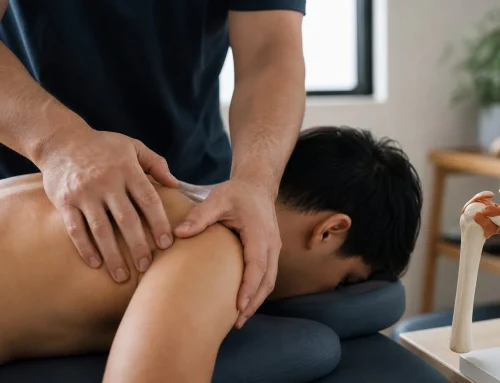
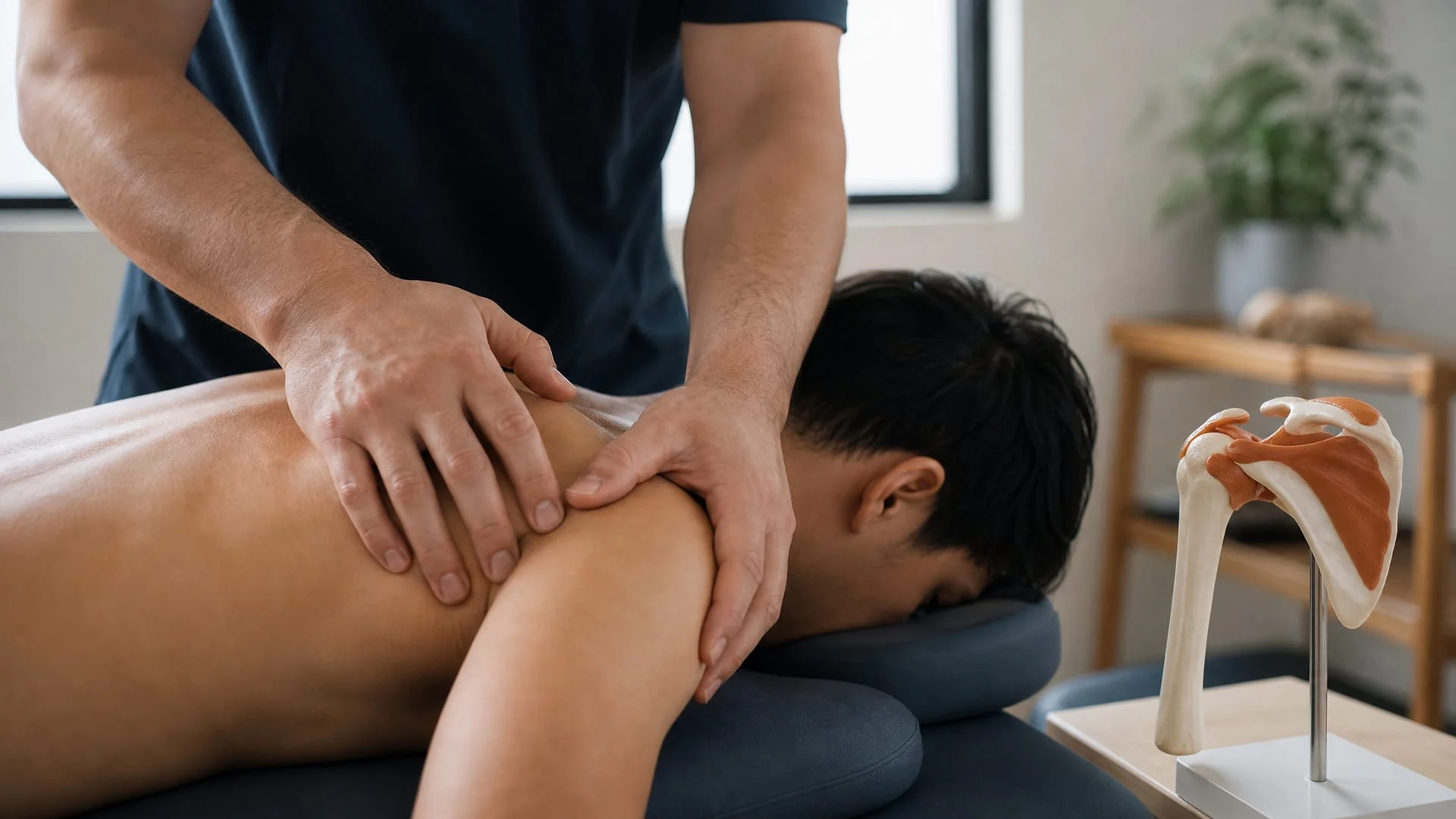
Heat and manual therapy amplify each other when sequenced correctly under professional guidance. Clients frequently pair infrared sauna sessions with deep tissue or sports massage, using the heat to soften muscle tissue before the therapist works it, which lets them go deeper with less discomfort.
This combination works best when both modalities sit inside the same clinical framework instead of existing as two disconnected services. If you’re wondering about timing sauna after massage, or whether to reverse the order, ask your therapist to design a protocol around your specific tissue condition. Generic advice can’t tell you whether your main issue is acute inflammation, chronic guarding, or post-exertional recovery.
Using HSA and FSA Funds for Sauna Sessions
Healthcare costs add up enough that using your pre-tax benefits should be part of any wellness strategy. Many patients don’t realize therapeutic heat may qualify as a medical expense when it’s documented properly for a specific condition.
Using Pre-Tax Dollars for Wellness
Your Health Savings Account or Flexible Spending Account exists to cut the tax burden of maintaining your health, not just treating acute illness. When a licensed provider recommends infrared sauna therapy as part of a pain management plan for a diagnosed condition, those sessions may be eligible for reimbursement.
That possibility turns sauna therapy from a discretionary luxury into a covered piece of your healthcare spending, on the logic that proactive maintenance prevents costlier problems down the road. Always check with your plan administrator, but don’t assume you’re excluded without asking.
Verifying Eligibility Before Booking
Documentation requirements vary a lot between insurance carriers and employer-sponsored plans. Some want a Letter of Medical Necessity from your primary care physician specifying the diagnosis and recommended frequency; others accept itemized receipts from licensed therapists.
Ask your provider’s office for help getting the paperwork together before your first session. Keep detailed records of your visits, dates, durations, and associated diagnoses. That protects you if you’re ever audited, and proactive verification means no surprise denials when you go to use the funds you’ve already set aside.
Safety Protocols and Contraindications to Know
Infrared therapy is generally safe for most adults, but heat stress is a real physiological load. It deserves some respect and self-awareness. Knowing your personal risk factors keeps the experience therapeutic instead of harmful.
Who Should Avoid Heat Therapy
Certain medical conditions make heat exposure unsafe no matter how gentle the technology feels. Pregnancy, uncontrolled hypertension, a recent heart attack, and certain medications that impair thermoregulation are absolute contraindications requiring medical clearance first.
If you have cardiovascular disease, multiple sclerosis, or take diuretics or antihistamines, talk to your physician before booking. Heat therapy doesn’t know the difference between beneficial vasodilation and dangerous instability in a compromised system. Disclose honestly at intake. No reputable therapist will take offense at your caution.
Hydration and Session Limits
Dehydration undercuts every benefit infrared therapy offers and can bring on headaches, dizziness, or nausea mid-session. Drink water before your appointment, during if it’s permitted, and after, to replace what you lose through sweat.
Listen to your body over any preset timer or outside recommendation. Leaving early because you feel lightheaded isn’t failure. It’s appropriate self-regulation. Your tolerance builds over weeks, not minutes, and pushing through warning signals just teaches your nervous system to treat heat as a threat instead of relief.
What to Expect During Your First Infrared Session
Anxiety about the unknown can activate the very tension you’re trying to release. Knowing the logistics beforehand helps your body settle faster, because your physiological response depends on feeling secure.
Preparation and Attire
Wear minimal, breathable clothing, or use the wraps provided, to keep skin exposed to the infrared panels. Heavy fabric blocks the light energy and traps sweat against your skin, which cuts efficacy and adds discomfort.
Arrive hydrated and skip heavy meals right beforehand, so digestion isn’t competing with thermoregulation. Bring a water bottle, a book or a meditation app if silence feels strange, and an open mind about pacing yourself. Your first session is data gathering, not an endurance test.
Post-Session Integration
Expect to feel deeply relaxed, maybe a little fatigued, as your parasympathetic system fully engages. That’s normal, and it means the therapy worked, so plan around it instead of scheduling something stressful right after.
Give yourself ten to fifteen minutes to cool down gradually before driving or heading back to work. Rushing from intense heat into cold air or a demanding task shocks your system and undoes the integration period your body needs. Treat that transition as part of the therapy, not wasted time.
Choosing the Right Provider Near Pickerington and Columbus
Your decision ultimately comes down to whether you want ambient warmth or a targeted intervention for a specific physical complaint. Both have value, but mixing them up leads to disappointment and wasted money.
Judge providers on therapist involvement, cleanliness, and willingness to customize a protocol, not marketing polish or the lowest price. Location convenience matters for consistency, but clinical alignment matters more for outcomes. If your goal is real pain reduction and better function, choose the facility that asks about your medical history before it asks about your preferred playlist.