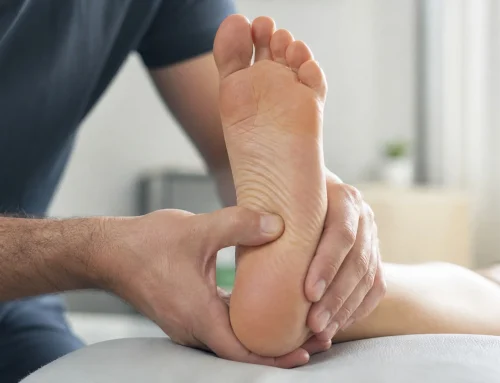
Living with persistent pain often means settling for a smaller life, because finding the right help feels overwhelming. Maybe you’ve tried stretching, foam rolling, or over-the-counter remedies that helped for a day before the pain crept back. Searching for a massage therapist in Ohio should be about solving a specific physical problem, not just booking an hour of relaxation. When you’re dealing with sciatica, frozen shoulder, or tension headaches, the difference between a luxury spa and clinical therapy is the difference between feeling nice for an afternoon and actually healing.
Therapeutic Massage vs. Spa Services in Ohio
The wellness industry blurs the line between pampering and treatment, and that creates confusion for anyone chasing real pain relief. A results-driven approach cares about what you can measure: improved range of motion, lower pain scores, not just a subjective sense of calm. Spas are good at stress reduction and sensory experiences. Therapeutic clinics exist to resolve musculoskeletal dysfunction, through targeted manual techniques and ongoing assessment.
Defining Clinical Outcomes Over Ambiance
Your environment matters for comfort, but it shouldn’t stand in for clinical competence when your real goal is fixing a physical limitation. Therapeutic massage targets the specific tissue restrictions and movement patterns behind your daily discomfort. That takes a therapist who thinks anatomically, not aesthetically. Body Ache Escape was founded in June 2010 by licensed massage therapists Michele and Kyron, with a clinician’s focus on pain relief rather than spa ambiance. That’s by design: every session is built around your functional goals, not a pleasant escape from reality.
When to Seek Medical Massage
You need clinical intervention when pain is interfering with your sleep, your work, or basic mobility, despite your best efforts at self-care. General relaxation massage is fine for maintaining wellness, but it rarely resolves entrenched structural problems like adhesive capsulitis or chronic myofascial pain syndrome. Knowing the difference between these two service types means you spend your time and money where they’ll actually produce change, not just fleeting mental relief.
Verifying Licensure and Specialized Training
Trusting someone with your body means trusting their education and their legal standing to practice safely. Ohio law requires massage therapists to hold active licensure through the State Medical Board, which means standardized education in anatomy, physiology, and ethics. You can verify this credential yourself, before you ever step onto the table, to confirm your provider has met the baseline requirements for safe practice.
Checking Ohio State Medical Board Credentials
Confirm active licensure before you schedule your first appointment. Unregulated practitioners are a real risk to your health, not a hypothetical one. The state database gives you real-time verification of good standing and shows any disciplinary history. It takes about thirty seconds, and it protects you from unqualified people operating outside legal boundaries while giving you peace of mind about your therapist’s foundational training.
Identifying Advanced Certifications for Chronic Pain
Standard licensure covers general Swedish massage, but it rarely prepares a therapist for complex conditions like herniated discs or post-surgical scar tissue. Clients dealing with TMJ, herniated discs, or scoliosis need a therapist with advanced pathology knowledge beyond general licensure to safely address structural imbalances. Look for post-graduate certifications in neuromuscular therapy, orthopedic massage, or prenatal care. These are signs a therapist has invested in skills that match what you actually need.
Advanced training means treating pathology, not applying the same generic techniques to every client who walks through the door.
Matching Your Condition to the Right Modality
The technique matters. It’s the difference between a session that eases symptoms for a day and one that contributes to lasting change. Different modalities target different tissue layers and physiological responses, so understanding these distinctions helps you ask for the right treatment. Our resource on choosing the right massage technique breaks down how specific approaches line up with common diagnoses.
Deep Tissue and Myofascial Release
Deep tissue work addresses chronic tension in the muscle belly. Myofascial release targets the connective tissue network surrounding it. The two complement each other, because restricted fascia often keeps muscles guarding in a way that pressure alone won’t undo. If you struggle with trigger points or cramping that returns days after treatment, relief for persistent muscle spasms explains why combining these approaches tends to outperform either one alone.
Specialized Care for Pregnancy and Injury Recovery
Pregnant clients and post-surgical patients face contraindications that make general massage unsafe without adaptation. Prenatal positioning has to account for changing biomechanics while avoiding pressure points that could stimulate uterine activity, which takes a therapist trained specifically in maternal physiology. Injury recovery is its own careful process too, working around healing tissue without disrupting surgical repairs or aggravating inflammation while it’s still acute.
This modality doesn’t fix broken bones or cure systemic disease. Expecting it to replace medical care will only delay the diagnosis and treatment you actually need.
Integrating Adjunct Therapies for Better Outcomes
Manual therapy works best paired with modalities that prepare the tissue beforehand or extend the benefit afterward. Heat increases blood flow and loosens muscle viscosity, which makes the manual work that follows more effective and more comfortable. Using infrared sauna for therapeutic heat before your appointment can make tissue more pliable and take the edge off deep therapeutic work.
Integrating Infrared Sauna for Enhanced Results
Sauna use paired with massage has a compounding effect: warmed tissue responds more readily to manual manipulation. That combination is worth trying if you’re dealing with stubborn adhesions or chronic stiffness that hasn’t budged with standard treatment. Pre-warming often lets your therapist reach real depth without heavy pressure, turning what might have been a painful hour into productive work.
Navigating Insurance and HSA/FSA Payments
Paying for consistent care adds its own layer of complexity. Ohio insurance rarely covers massage directly, but many providers accept HSA and FSA cards for treatment prescribed as medically necessary. Knowing how these payment mechanisms work means you use the benefits you already have, instead of getting stuck on hold or hit with a paperwork denial.
Get a doctor’s note specifying your diagnosis and the recommended treatment frequency. It streamlines reimbursement and gives you the documentation to establish medical necessity. That one step turns massage from an out-of-pocket luxury into a healthcare expense paid with pre-tax dollars. As a Pickerington wellness center serving Central Ohio, we regularly help clients document treatment properly for HSA and FSA compliance.
Consistent care adds up in a way sporadic visits can’t match, which is why membership options for consistent care exist, to make regular treatment financially sustainable.
What to Expect During Your First Clinical Visit
Walking into a therapeutic clinic is different from arriving at a spa, because the intake process is built around assessment, not hospitality. Your therapist needs accurate information about your condition before ever touching you, so they can build a plan that’s safe and effective. This first conversation sets a baseline and flags anything that might change or delay certain techniques.
The Intake Assessment Process
Expect detailed questions about your pain history, your current medications, past injuries, and what you can and can’t do physically. This conversation shapes the treatment plan and helps your therapist tell the difference between your primary complaint and the compensatory patterns your body built up over months or years of working around it. Skip the thorough assessment and you get a session that feels nice but never touches what’s actually keeping you stuck.
Communicating Pressure and Comfort Levels
Speak up right away if the pressure is too much, or if a position is causing you discomfort. Effective therapeutic work happens inside your nervous system’s window of tolerance, not past it, where your body just starts guarding and progress stalls. Your feedback is data your therapist needs for real-time adjustments. It isn’t a criticism of their technique or their strength.
Silence isn’t the same as satisfaction. Gritting your teeth through too much pressure, hoping for relief later, usually just reinforces the tension you came in to resolve.
Evaluating Local Providers in Central Ohio
Choosing among therapists in Columbus, Reynoldsburg, Canal Winchester, and Pickerington takes more than picking whoever’s closest or cheapest. Read testimonials that talk about pain outcomes and functional improvement, not the decor or the tea in the waiting room. Woman-owned businesses and long-standing practices often show deeper roots in the community and more consistent clinical standards, built over years of treating local people with complicated needs.
Judge a provider by their stated philosophy of care and their willingness to work with your existing healthcare team. Ask direct questions about their experience with your specific condition, and ask for examples of what a typical treatment plan looks like for a case like yours. It’s extra work upfront, but it beats paying for a mismatched service that leaves your original problem exactly where it started.
Schedule a consultation or intake assessment to talk through your specific pain concerns with a licensed therapist who understands what you’re after.