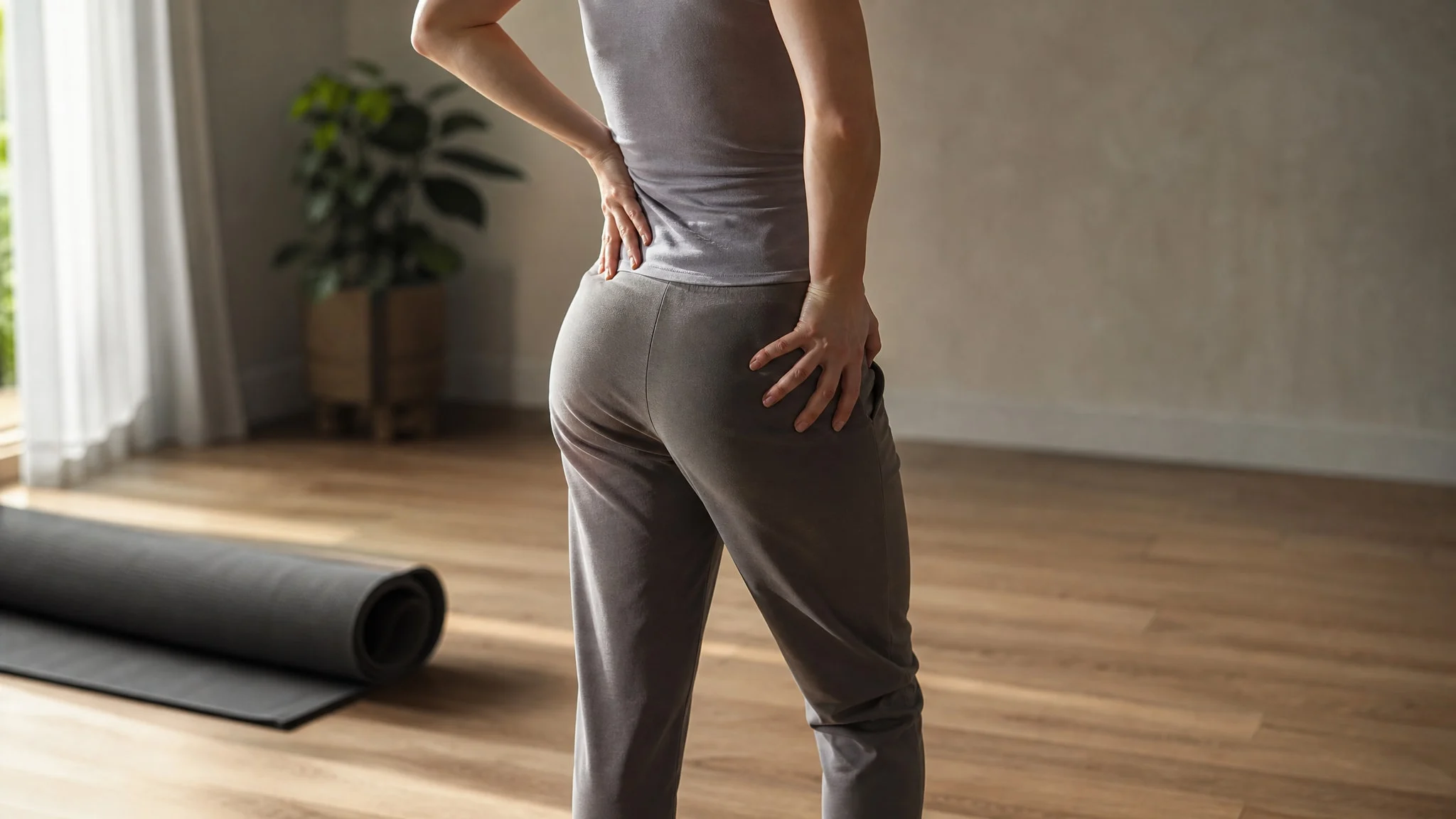
You know that sudden, seizing grip in your calf, or the knot between your shoulder blades that just won’t let go. A muscle spasm isn’t an annoyance. It’s your body sending an urgent signal that something is wrong. But a lot of people in Pickerington and Columbus treat these spasms like they’re just part of life.
You don’t have to keep pushing through discomfort, and you don’t have to accept that waking up in pain is just what happens as you get older. Getting rid of muscle spasms for good starts with a shift in how you see them: not random misfires, but your nervous system trying to protect you. Once you see that, you stop chasing temporary relief and start working on what actually resolves it.
Why Muscle Spasms Happen in the First Place
Spasms often stick around because the nervous system stays in a protective, guarding state long after whatever triggered it has resolved. Your muscles aren’t misfiring for no reason. They’re actively contracting to shield an area they perceive as unstable, injured, or overworked. Once you understand that protective function, you stop fighting the symptom and start addressing whatever is keeping your nervous system on high alert.
Common Triggers Beyond Dehydration
Drinking more water is the standard advice, but chronic muscle tension is a common complaint among adults who come in for massage, and plenty of them show up already well hydrated. Postural fatigue from long hours at a desk, or from repetitive lifting, creates a sustained low-level strain that eventually forces muscles to lock down. Nerve irritation from a compressed disc or a joint problem can also refer pain that feels exactly like a local cramp even though it starts somewhere else in the spine. Stress and poor sleep sensitize the nervous system further, which lowers the threshold for spasm even during ordinary daily movement.
When Spasms Signal Something Deeper
Some spasms are purely mechanical. Others point to something systemic that needs medical attention before any hands-on treatment. If your spasms show up alongside unexplained weight loss, fever, or progressive weakness, those are clinical signs that go beyond a strained muscle. Recurrent night cramps that keep disrupting your sleep can also point to a metabolic imbalance or a medication side effect rather than simple overuse. Figuring out whether your pain is structural or systemic matters, because otherwise you can spend months treating a symptom while the real cause keeps running.
Immediate Ways to Stop a Muscle Spasm
When a spasm hits, your instinct is to force it open. Don’t, aggressive stretching can trigger a stronger rebound contraction. In those first few minutes, the goal is safety and reassurance, not maximum range of motion. You’re trying to convince your nervous system the threat has passed so it releases the tension on its own.
Gentle Stretching and Positioning
Start by putting the affected muscle in a shortened, comfortable position, which lowers the neurological alarm before you attempt any lengthening. For a calf spasm, that might mean pointing your toe gently toward the floor while seated, rather than yanking it back against the cramp. Once the acute seizing eases, slow and controlled movement restores normal blood flow without re-triggering the guard. Our clients often tell us their calf or neck spasms come back within days if they only stretch, but improve noticeably once targeted myofascial release addresses the tissue restriction underneath.
Heat, Ice, and Topical Options
Heat generally works best for chronic guarding or stiffness, since it increases circulation and signals relaxation to the nervous system. Ice makes more sense right after a fresh injury with visible swelling or acute inflammation, cooling reduces metabolic demand in tissue that’s still traumatized. Topical analgesics can give you a window of sensory distraction that interrupts the pain signal long enough to move gently. None of these tools correct the movement pattern or tissue adhesion that caused the spasm in the first place. They just manage the immediate crisis.
How Therapeutic Massage Addresses Muscle Spasms
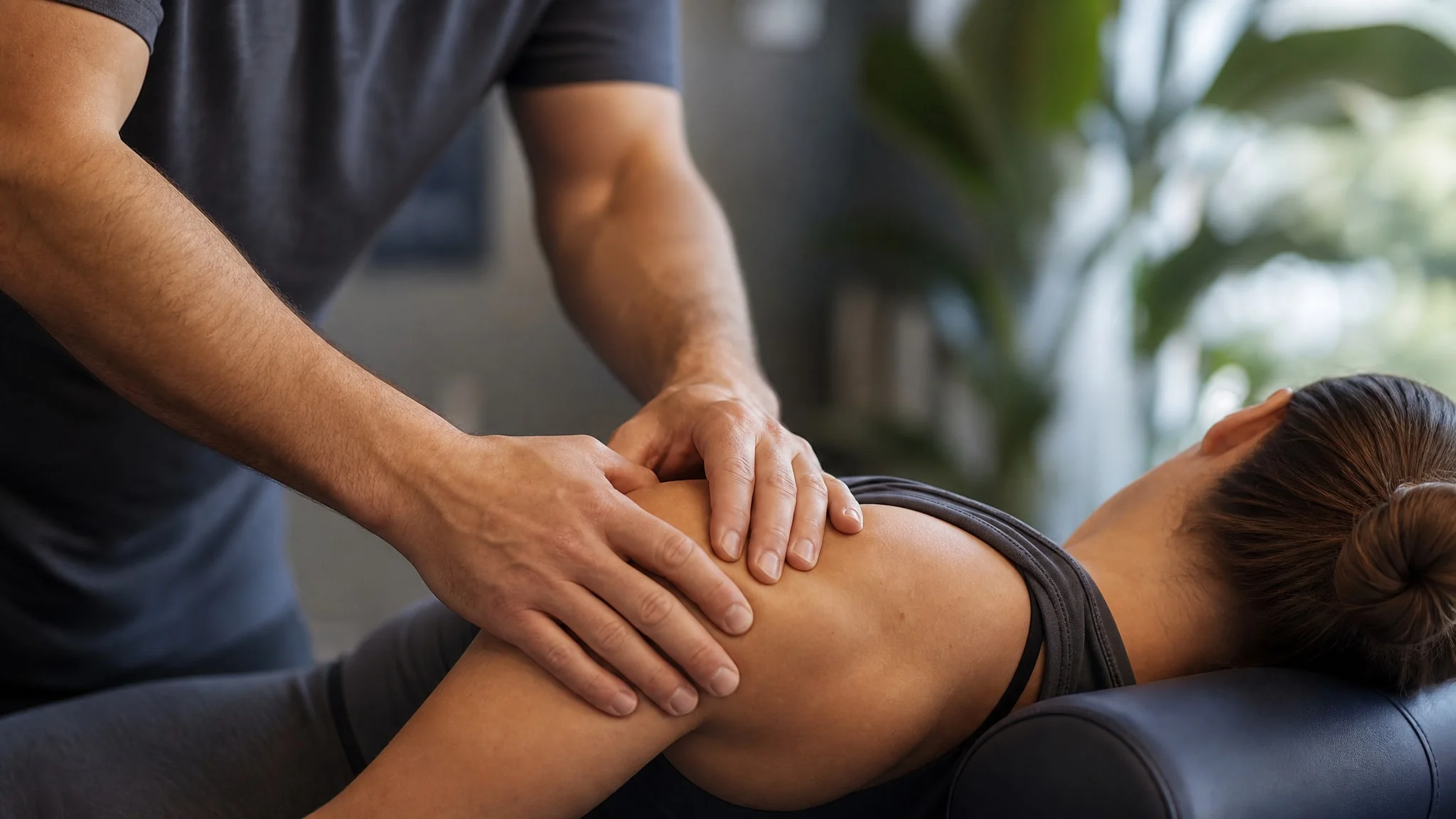
Therapeutic massage interrupts the pain-spasm cycle two ways: mechanically, by restoring blood flow, and neurologically, by calming down overactive motor neurons. That’s a different goal than relaxation massage, which is aiming for stress relief rather than a specific physiological change. Getting there takes a clinical assessment first, one that sorts out postural strain, nerve referral, and true cramping before any technique gets applied.
Techniques That Release Guarding Patterns
Our therapists run that assessment during intake, working out whether what you’re feeling is postural strain, nerve referral, or true cramping before choosing an approach. Myofascial release and trigger point therapy target the specific restrictions holding the guard in place, working with the tissue’s natural elasticity instead of forcing it. Cupping therapy for stubborn muscle tension can also lift compressed layers and open up space in spots where manual pressure alone can’t reach. These methods work the physical tissue and calm the nervous system at the same time.
Why Pressure Alone Isn’t Enough
Deep pressure on a highly irritable muscle can actually make guarding worse if your nervous system reads it as a threat. Real relief depends on matching the technique to what the tissue can tolerate right now and to what’s actually causing the spasm. Choosing the right massage technique matters more than just asking for “deeper” work, the wrong approach can leave you sorer and tighter than when you walked in. Talking to your therapist during the session lets them adjust in real time, so the pressure stays in the window that promotes release instead of defense.
Supporting Recovery with Heat Therapy and Sauna
Consistent, low-level heat supports recovery between massage sessions by promoting vasodilation and cutting down residual stiffness. Manual therapy breaks up specific adhesions; systemic heat brings the circulatory benefit that keeps tissue healthy long term. Together, they help you hold onto what a session gave you instead of watching the tension creep back within days.
Infrared Heat for Circulation and Relaxation
Infrared saunas warm muscle tissue directly, going deeper than a traditional steam sauna without overheating the air around you. That gentle warmth supports the parasympathetic shift that pulls your body out of the fight-or-flight state feeding chronic spasms. If your spasms are tied to systemic stress or tension that’s spread out rather than localized, it’s worth looking at infrared sauna benefits for muscle recovery. Used regularly, it has a cumulative effect: tissue gets more pliable and responds better to manual work.
Timing Heat Therapy Around Activity
Heat before activity preps stiff tissue for movement and cuts your odds of a spasm mid-exertion. Heat after activity flushes metabolic waste and heads off the cool-down stiffness that so often triggers evening cramps. Skip intense heat right after an acute strain while inflammation is still active, it can make the swelling worse. Time it right, and heat stops being a comfort measure and becomes part of your actual prevention strategy.
Daily Habits That Prevent Recurring Spasms
Lasting relief comes down to what you do in the sixteen-plus hours you’re not in treatment. Small, consistent changes to your daily movement and environment lower the cumulative load on your nervous system. Prevention isn’t about perfect discipline. It’s about building margin into your routine.
Movement Breaks and Ergonomic Adjustments
Static posture drives a lot of recurrent spasms, because muscles adaptively shorten when they’re held in one position for hours. Set a timer to stand, walk, or stretch every forty-five minutes, and you reset that cycle before tension has a chance to build. Something as simple as raising a monitor or adjusting your chair height can wipe out the micro-strains that add up across a day. Learning self-massage techniques for foot and calf spasms gives you a way to work on tension the moment you notice it, instead of waiting until it’s disabling.
Hydration and Nutrient Considerations
Good hydration and electrolyte balance support muscle function, but neither one fixes a mechanical overload or a compressed nerve. Magnesium and potassium do play a role in muscle contraction, yet supplements rarely resolve a spasm that’s rooted in posture or tissue restriction. Nutrition is a foundation that lets other treatments work, not a fix on its own. If your diet is already reasonable, more bananas won’t undo eight hours of sitting hunched over a laptop.
When to Seek Professional Help for Muscle Spasms
Self-care only goes so far, and knowing when to escalate keeps a minor issue from turning chronic. A professional evaluation gives you the diagnostic clarity to tell manageable tension apart from something that needs a doctor. If something feels “wrong” to you, trust that, it’s usually the first sign you need proper care.
Red Flags That Need Medical Evaluation
Get immediate medical attention if a spasm comes with numbness, tingling, or loss of bowel or bladder control, those point to a possible neurological issue, not a muscular one. Pain that radiates down a limb, or that doesn’t ease with rest and self-care, suggests nerve involvement beyond the muscle itself. Swelling, redness, or warmth in one calf could mean a vascular problem like deep vein thrombosis rather than a simple cramp. None of these belong in a massage session. See a physician first.
Finding a Results-Focused Massage Therapist
Not every massage therapist trains deeply in neuromuscular assessment or pain science, so it’s worth checking credentials and specialization before you book. Look for someone who asks real questions during intake, about your pain patterns, your functional limits, your medical history. A results-focused therapist explains why they’re using a given technique and gives you a realistic timeline for recovery. You deserve care aimed at your actual problem, not a generic routine applied the same way to everyone who walks in.
Building a Personalized Spasm Relief Plan
None of this replaces a medical diagnosis or promises you’ll never feel a spasm again. Real, lasting relief comes from pairing professional treatment with home habits built around your specific patterns and your actual life. That plan might mean biweekly therapeutic massage, regular infrared sauna sessions, ergonomic changes at your desk, and specific exercises your therapist gives you to do at home. Stay consistent with those and you build resilience over time, crisis management turns into ongoing maintenance. Booking a consultation focused on spasm assessment lets us map your specific triggers and build a plan that actually fits your life in Reynoldsburg, Canal Winchester, or the greater Columbus area.