You wake up with that familiar heaviness behind your eyes and a throat that feels like sandpaper, wondering if sweating it out might actually help. It’s a common question we hear from clients in Pickerington and Columbus who want to feel better and don’t want to make things worse. An infrared sauna can genuinely ease sinus pressure and body aches during a head cold, but timing and safety matter more than intensity. You need to know when heat helps and when it hinders your recovery, so you can decide based on physiology instead of hope.
How Infrared Heat Affects Head Cold Symptoms
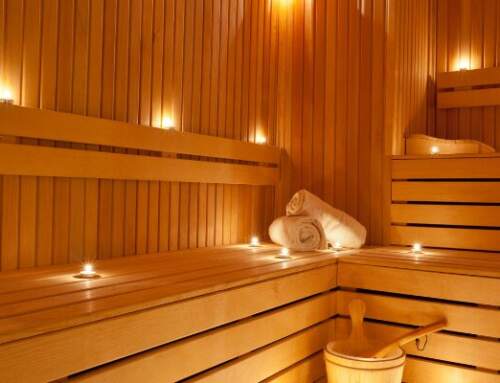
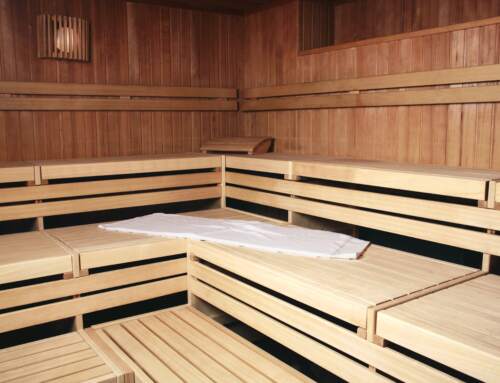
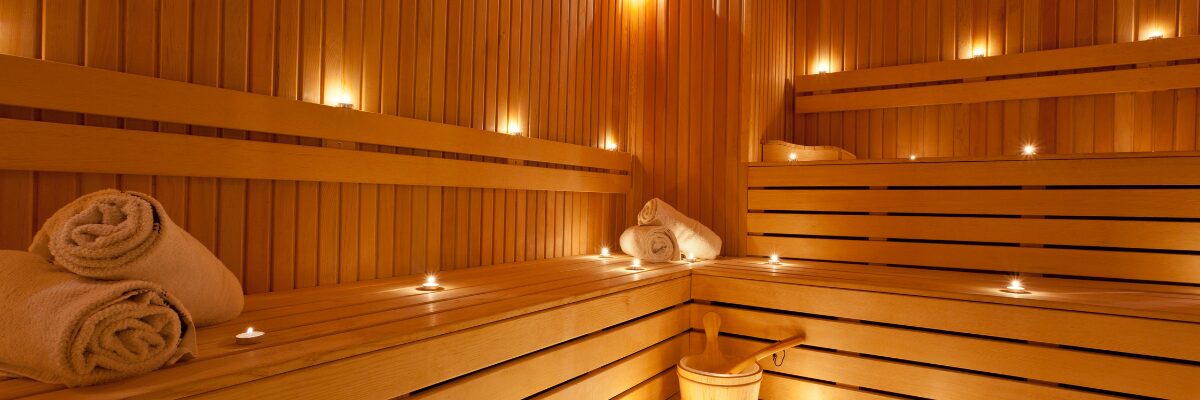
Infrared saunas warm your body directly instead of heating the air around you. That eases sinus pressure and muscle aches without the suffocating humidity of a traditional steam room. Dry heat moves through tissue differently than wet heat, so the relief doesn’t require gasping for breath or gritting your teeth through unbearable temperatures. When you’re congested, the gentle warmth can loosen mucus and reduce the facial tension that makes an ordinary head cold feel exhausting, while the room itself stays tolerable enough to actually relax in.
Why Deep Tissue Warming Feels Different Than Steam
Traditional saunas heat the air first, and that blast of hot vapor can irritate already-inflamed nasal passages and set off coughing fits. Infrared units skip that step. They use light waves to raise your core temperature gradually, and they typically run between 120°F and 140°F, well under the 160°F-plus you’d find in a conventional sauna. That lower ambient temperature is why you can stay in long enough to get some benefit without feeling steamed alive, which matters a lot when your respiratory system is already compromised.
Temporary Relief Versus Actual Recovery
Comfort is worth something, but it’s not the same as curing the virus underneath it. The warmth may help you sleep better and ease tension headaches during post-viral recovery, but it doesn’t shorten the virus’s lifecycle or get rid of it. Think of the sauna as a tool for managing the misery of being sick, not a shortcut to wellness. Expect it to cure your cold and you’ll end up disappointed, or worse, overusing it.
When to Skip the Sauna During Illness
There are specific states where adding heat to your body works against you, sometimes dangerously so. Pushing through these red flags doesn’t build resilience. It delays healing and risks complications you could have avoided by just waiting.
Fever and Elevated Heart Rate Risks
A fever means your body is already working overtime on its internal thermostat. Add sauna heat on top of that and you stress cardiovascular regulation further and raise your dehydration risk. Your heart rate climbs naturally with a fever, and external heat forces it to work even harder to dissipate that extra load, a strain your weakened system can’t safely absorb right now. If your temperature is above normal, stay home. Rest until you’ve been fever-free for at least twenty-four hours without medication.
Contagion Windows and Community Safety
Beyond your own safety, there’s a responsibility to keep shared wellness spaces safe for other clients and staff. Viral shedding often continues for days after your symptoms peak, so you might feel well enough to visit while still posing a risk to immunocompromised clients or to therapists who can’t afford to get sick. As a wellness center serving Pickerington and surrounding areas, we put community health ahead of any single appointment. We ask that you wait until you’re clearly past the contagious window before booking.
This is not a treatment for acute infection.
Safe Protocols for Using Infrared Saunas While Recovering
Once you’re fever-free and past the contagious stage, reintroducing heat means a modified approach that respects how depleted your energy still is. Licensed massage therapists Michele and Kyron, who’ve been running Body Ache Escape’s infrared sauna and massage services since 2010, are clear that infrared sauna should support your recovery, not replace rest or medical guidance. Treat these sessions as gentle restoration, not a performance to complete.
Hydration and Session Duration Adjustments
Your fluid needs go up during recovery. Hydrate before and after to make up for the loss that happens even at these lower temperatures. We recommend cutting your usual session time in half and lowering the temperature setting, so you get a mild warming effect instead of a deep sweat, enough for your body to adjust without tipping into fatigue or dizziness. Start with ten to fifteen minutes at the low end of the 120–140°F range, and keep water within arm’s reach the whole time.
Listening to Your Body Over Rigid Schedules
Recovery isn’t linear. What felt manageable yesterday might be too much today, so stop the moment you notice dizziness, nausea, or unusual fatigue. Your body sends clear signals when it’s had enough, and ignoring them to finish out a set session length works against the healing you’re there for. In our experience, clients recovering from a virus often sleep better and get fewer tension headaches after these gentle sessions, and that tends to happen exactly because they honored their limits instead of pushing past them.
Complementary Therapies for Head Cold Relief
Heat therapy works best paired with treatments aimed at the specific discomforts of an upper respiratory illness. Combine modalities and you can tackle congestion, skin irritation, and lingering tension at the same time, which gets you further than sauna time alone.
Lymphatic Support and Gentle Massage
Congestion often comes from lymph fluid pooling in the facial sinuses and neck, and that pressure doesn’t fully let up from heat alone. Lymphatic drainage therapy uses specific manual techniques to get that fluid moving and bring facial swelling down, which pairs well with the vasodilation infrared heat already gives you. This combination works especially well at the tail end of a cold, when congestion lingers after everything else has faded, and it can help you breathe easier and sleep more soundly.
Restorative Skincare and Facial Treatments
Frequent nose-blowing and dry indoor heat leave the skin around your nostrils and cheeks raw and painfully sensitive. Gentle facials for sensitive skin soothe that specific kind of irritation, using calming ingredients and minimal manipulation to restore your skin’s moisture barrier without stirring up more inflammation. That surface-level discomfort matters more than it sounds like it should: chapped skin adds a physical layer of pain to the mental exhaustion of being sick, and real comfort covers both.
Infrared Sauna Benefits Beyond Cold Season
Body Ache Escape has run infrared sauna alongside therapeutic massage since 2010, and we’ve watched client responses across a lot of different recovery stages and seasons in that time. Treat this as only a sick-day tool and you miss its bigger value for chronic pain, stress, and circulation year-round. Regular use during the times you’re well builds baseline resilience and keeps your tissue healthier, so your body is better equipped when illness does eventually show up. You can read more about infrared sauna benefits and local availability to see how using it consistently supports long-term wellness beyond just cold season.
Making an Informed Decision for Your Recovery
Deciding whether to use an infrared sauna during a head cold comes down to three checkpoints: no fever, past the contagious window, and cleared by a healthcare provider if you have an underlying condition. Rest and your doctor’s advice always come first during acute illness, no amount of heat therapy replaces the healing that happens during uninterrupted sleep and proper nutrition. When you meet those criteria and feel ready to bring gentle warmth back into your routine, we’re here to help you ease into it with a plan built around where you are right now, not where you were before you got sick.