Search “massage therapy trends 2026” and you’ll fall down a rabbit hole of crystal-infused oils, sound bath rituals, and spa treatments that photograph beautifully and do little for chronic pain. If you’re reading this, you probably care less about ambiance and more about whether your shoulders will stop hurting by Tuesday. Wellness is shifting away from generic relaxation menus toward care that respects your body’s mechanics, and your intelligence as a patient. You deserve treatment rooted in physiology, not marketing.
That shift matters because pain is complicated. Fixing it takes more than an hour of feeling pampered. Real relief comes from tissue response, nervous system regulation, and movement patterns that extend well past the massage table. Our field is moving toward accountability, where success looks like better mobility and fewer symptoms, not just a vague sense of zen. This article sorts the evidence-informed changes worth your time from the fads that belong in a gift basket.
Clinical Innovation vs. Spa Marketing in 2026
Telling real therapeutic advancement from repackaged luxury means looking past the brochure and asking what the treatment actually does to the tissue or nervous system. Real innovation addresses specific dysfunctions through methods you can repeat and measure. Marketing-driven trends lean on novelty or exotic ingredients to justify a higher price without producing structural change. Ask how a treatment changes tissue function or neural signaling, not just how it makes you feel in the moment.
Why evidence-based massage techniques matter now
Evidence-based massage techniques track outcomes over time: more range of motion, less reliance on pain medication. This approach pairs anatomical knowledge with manual skill to address the root cause of discomfort instead of masking it with a temporary endorphin hit. When a therapist understands the pathology behind your condition, they can adjust pressure and pacing to get a specific biological response, rather than running you through a standard routine. Body Ache Escape has run as a clinician-minded practice since 2010, putting pain relief outcomes ahead of spa ambiance for over 15 years, because lasting change takes clinical precision.
Red flags in wellness trends for 2026
Watch for treatments that promise a cure through passive modalities alone, or that lean on vague scientific language with no clear link to your actual injury. Sessions built entirely around scent or sound, with nothing addressing musculoskeletal dysfunction, might relax you for an hour but won’t touch chronic tension or postural imbalance. Another warning sign: no real intake assessment before treatment starts. Personalized care can’t exist without someone learning your medical history and your current limitations first. If a provider can’t explain, in plain language, why they’re doing what they’re doing, they’re probably following a script instead of treating your body.
Personalized Massage Treatment Plans Over Generic Protocols
Your body doesn’t fit a fixed sixty-minute menu. Effective therapy has to adapt to your tissue’s response in real time and to how your needs shift through the session. Personalized massage treatment plans break from the spa model, where you pick a pre-set service by duration instead of clinical need. Two people with the same diagnosis can need completely different manual approaches, depending on nervous system sensitivity, healing stage, and daily life.
Blending modalities for specific pain patterns
Clinical practice increasingly blends techniques within one session to reach layered dysfunction, combining myofascial release with neuromuscular therapy, say, to treat both surface restriction and deep trigger points. That lets a therapist shift strategy mid-session as tissue releases, working off what they feel under their hands rather than sticking to one discipline. Understanding the nuances when comparing cupping and deep tissue helps you and your therapist figure out which tool fits your current inflammation and recovery goals. And choosing the right massage technique means you’re part of that decision, not just picking off a menu.
Assessment-driven care as a best practice in massage therapy
Assessment-driven care matters because it makes sure every minute of hands-on work targets something specific, instead of general maintenance. It starts with orthopedic testing and postural analysis before you’re even on the table, so there’s a baseline to measure progress against. Skip that step and even skilled touch turns into guesswork, it might feel good temporarily, but it won’t build lasting structural change. Your therapist should be able to tell you exactly what they found in the assessment, and how each technique ties back to it.
Technology in Massage Therapy: Tools That Support Hands-On Care
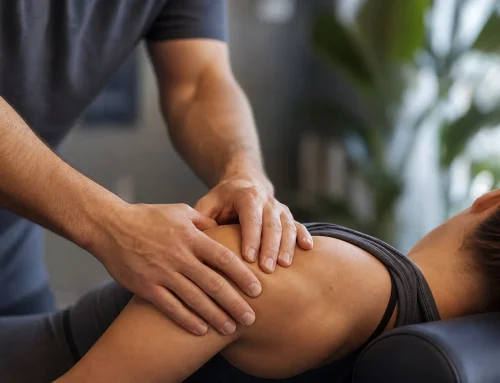
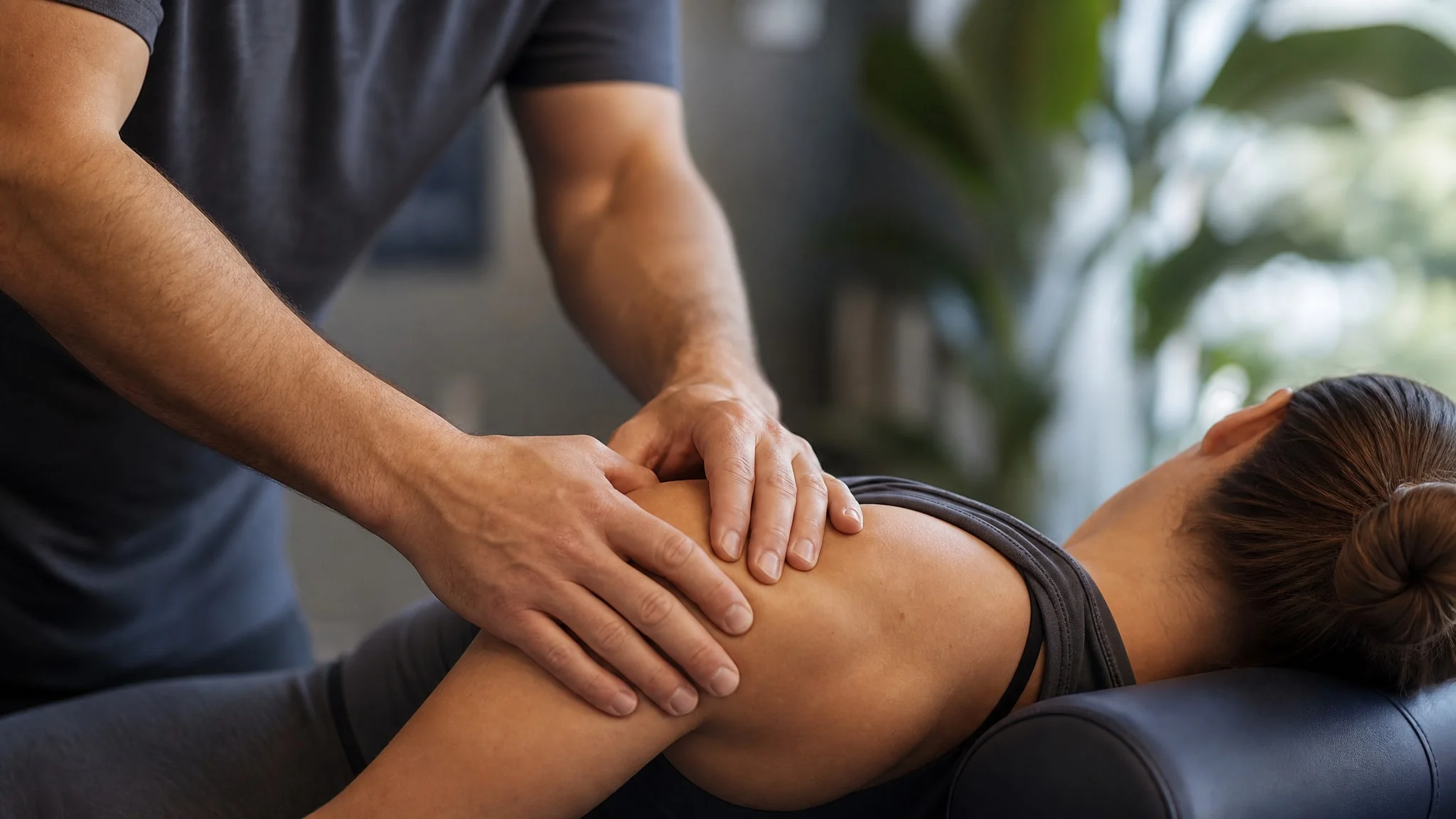
Technology works best as an extension of the therapist’s hands, not a replacement for human judgment and touch. Devices have gotten more sophisticated, but none of them have the feedback loop a skilled practitioner uses to tell protective guarding apart from real tissue restriction. Licensed therapists Michele and Kyron are clear on this: technology should support hands-on assessment, not stand in for the tactile feedback that treating complex pain requires.
Percussion and vibration devices as adjuncts, not replacements
Percussion and vibration tools are good at prepping tight tissue for deeper manual work, or flushing metabolic waste after a session. What they can’t do is replicate the communication of actual therapeutic touch. They work best used strategically, to calm an overactive nervous system before the therapist moves into precise structural work. Lean on the device alone and you lose the relational part of healing, the part that tells a guarded body it’s safe, which is often the missing piece in chronic pain. Use these tools to round out your home care between sessions, not to skip professional assessment.
Zero gravity massage chair benefits for nervous system regulation
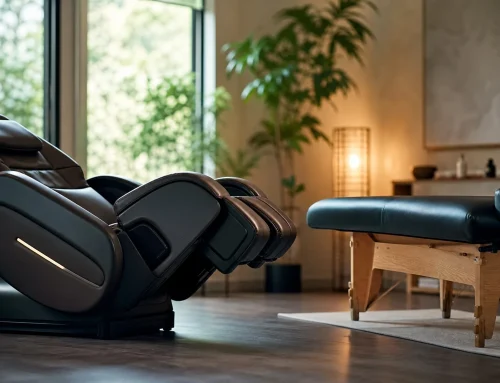
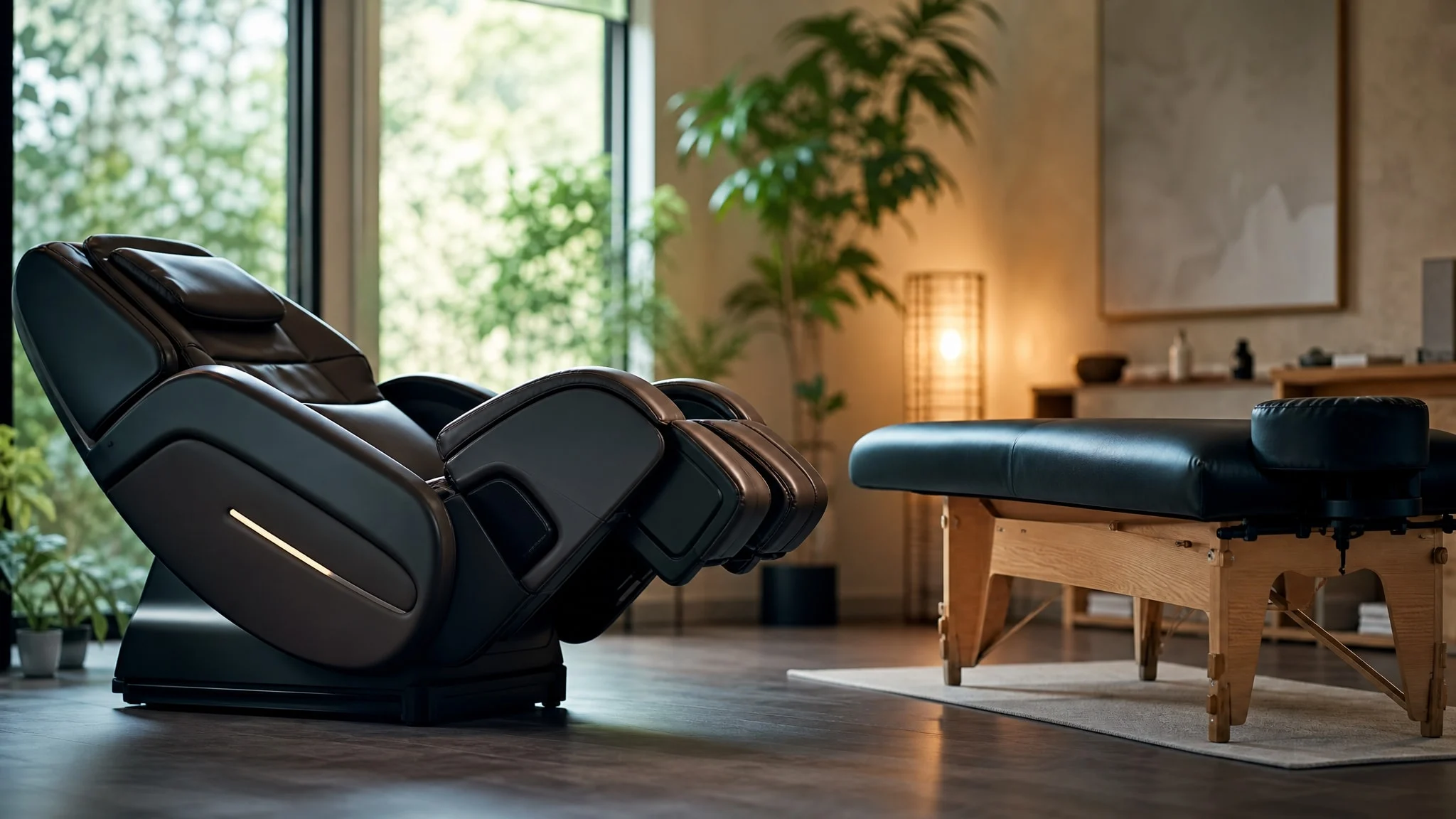
A zero gravity massage chair does more than add comfort. Positioning the body in neutral alignment takes gravitational compression off the spine and joints, and that eased state can make the manual therapy that follows more effective. It’s especially useful for clients with acute pain who find lying face-down unbearable. The chair itself doesn’t diagnose or treat anything, though. It sets up the conditions for the therapist to do the actual work.
Infrared Sauna and Massage Combo for Enhanced Recovery
Pairing heat with manual work is one of the more meaningful shifts in massage therapy, because heat changes tissue viscosity and circulation. An infrared sauna and massage combo uses that shift to make deep tissue work more tolerable and more effective, and it can speed recovery. That’s why more clinics build both into one treatment protocol instead of offering them as separate add-ons.
Physiological synergy of heat therapy and manual manipulation
Infrared sauna pairing is one of the trends worth watching in 2026 because heat increases fascial pliability, which lets manual therapy reach deeper restrictions with less discomfort. The warmth dilates blood vessels and improves oxygen delivery to compromised tissue, opening a window where stubborn adhesions respond better to mechanical pressure. Looking at the infrared sauna heat therapy benefits helps explain why the combination beats either modality alone for something like fibrosis or scar tissue remodeling. That priming effect means your therapist can get real change without leaning on heavy pressure that leaves you sore for days.
Sequencing treatments for maximum pain relief
Usually, heat comes before manual therapy, to get tissue receptive, though some inflammatory conditions call for the reverse order, and that’s a clinical judgment call. Fifteen to twenty minutes in the sauna before your session raises core temperature enough to affect deep fascia; go in cold and you limit how deep, and how comfortable, the work can be. Heat after a massage can sometimes worsen acute inflammation, so timing isn’t something to experiment with on your own. Talk to your therapist about the right sequence for where your body is right now.
HSA FSA Massage Coverage Trends Making Care Accessible
HSA and FSA coverage for massage reflects something bigger: therapeutic bodywork is being treated as healthcare, not discretionary spending. More patients are using pre-tax dollars for chronic conditions now that documentation standards have made it clearer what counts as medically necessary versus general wellness. That shift turns massage from an occasional indulgence into something you can build into long-term pain management.
Navigating eligibility for therapeutic massage in 2026
IRS guidelines draw a line between treatment prescribed for a specific medical condition and sessions booked purely for stress relief or pleasure. Eligible expenses usually cover sessions documented against a diagnosed musculoskeletal disorder, injury rehab, or a pain management plan your physician recommended. HSA and FSA funds are increasingly recognized for therapeutic massage when it’s documented as medically necessary, which is shifting access from luxury toward healthcare for families managing a budget. Keep your diagnosis codes and treatment notes on file. You’ll want them at tax time, or if you’re audited.
Documentation requirements for medical necessity
Getting reimbursed comes down to a clear link between your diagnosed condition and the treatment you received in each session. Your therapist should hand you itemized receipts with diagnostic codes, treatment descriptions tied to functional goals, and dates that line up with your physician’s recommendation letter. A generic receipt that just says “massage,” with no clinical context, gets claims denied because it doesn’t show medical purpose. A therapeutic massage membership can help you keep care consistent and make that documentation easier to track across the year.
The Future of Massage Therapy: Outcome-Driven Standards
Massage therapy’s future is measurable accountability: practitioners showing functional improvement, not just satisfaction scores. That maturity brings bodywork in line with the rest of healthcare, where efficacy and transparent tracking are expected. Clients increasingly want the same clinical rigor from a massage therapist that they’d get from a physical therapist or chiropractor.
Measuring success beyond subjective relaxation
Real measurement means tracking things like pain scale ratings, sleep quality, and functional movement across sessions, not just how relaxed you feel walking out the door. Those numbers show whether treatment is producing change that builds over time, or just fading relief between appointments. When you and your therapist look at that data together, you can decide whether to continue, adjust, or wrap up care based on actual results.
What clients should look for in a qualified therapist
Look for advanced certifications in clinical modalities, ongoing education in pathology and assessment, and a willingness to work with your other healthcare providers. Credentials matter, but so does whether the person listens, explains things clearly, and adjusts treatment based on your feedback without getting defensive. A good therapist wants your questions about their reasoning, and wants you taking ownership of your own recovery rather than depending on them indefinitely. Find someone who treats you as a partner, not a passive recipient of services.
Finding Evidence-Based Care in Pickerington and Columbus
National trends don’t mean much until they translate into relief for your specific body, in your specific neighborhood. As a Pickerington wellness center for pain relief, Body Ache Escape puts these 2026 principles to work daily for neighbors in Reynoldsburg, Canal Winchester, and greater Columbus who want results, not ritual. Our therapists combine evidence-informed technique with real human connection, because you shouldn’t have to choose between clinical skill and someone who actually cares. Book a consultation around your specific pain pattern, and see what outcome-driven, personalized therapy actually feels like.