You’re standing in front of two booking options and you just want the knot in your back gone. Cupping vs deep tissue massage is one of the questions clients ask us most. There’s no single right answer. It depends on what kind of pain you’re carrying and where it’s living in your body.
Both are legitimate, well-established therapeutic techniques. They just work in almost opposite directions. Once you understand that, the choice usually becomes obvious.
Cupping vs Deep Tissue: What’s the Real Difference?
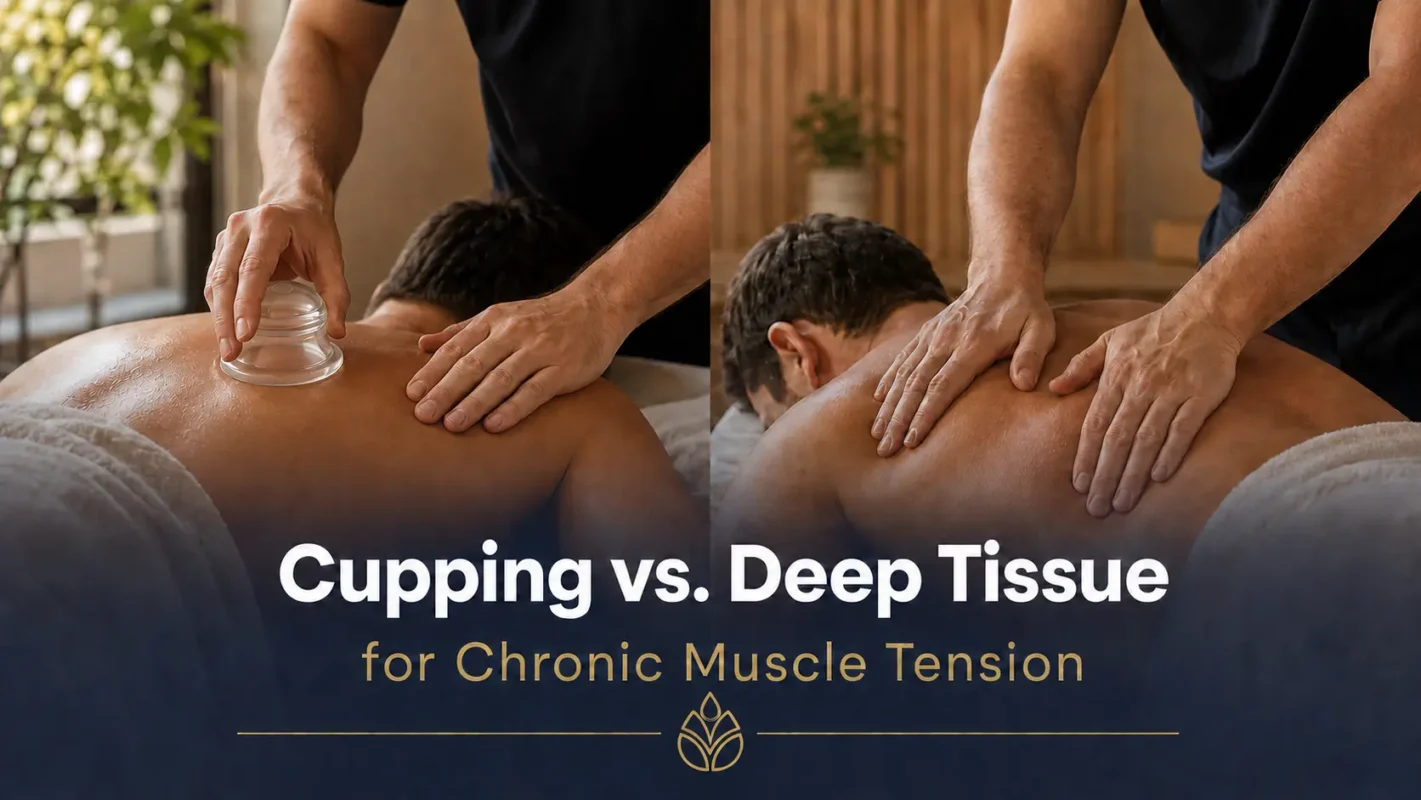
The simplest way to think about it: cupping pulls, deep tissue pushes. One lifts your tissue up and away from your body. The other presses down into it. Both can relieve pain, but they get there through different mechanics.
Licensed massage therapists generally treat cupping as a decompression technique. It lifts skin and fascia away from the muscle underneath. Deep tissue is the opposite: a compression technique that works directly into muscle fibers. Neither is “stronger” than the other. They just solve different problems.
How Cupping Works on Your Body
Cupping uses small silicone or glass cups to create suction against your skin. Instead of pressing down, the therapist places a cup and draws the tissue upward into it.
That upward pull decompresses the layers just under your skin, including the fascia, the connective tissue that wraps around your muscles. When fascia gets tight or glued down, everything underneath it can feel restricted, even if the muscle itself isn’t the main problem. Cupping is often the tool for loosening that layer.
How Deep Tissue Massage Works on Your Body
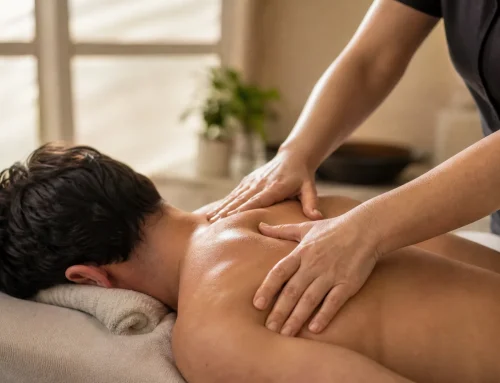
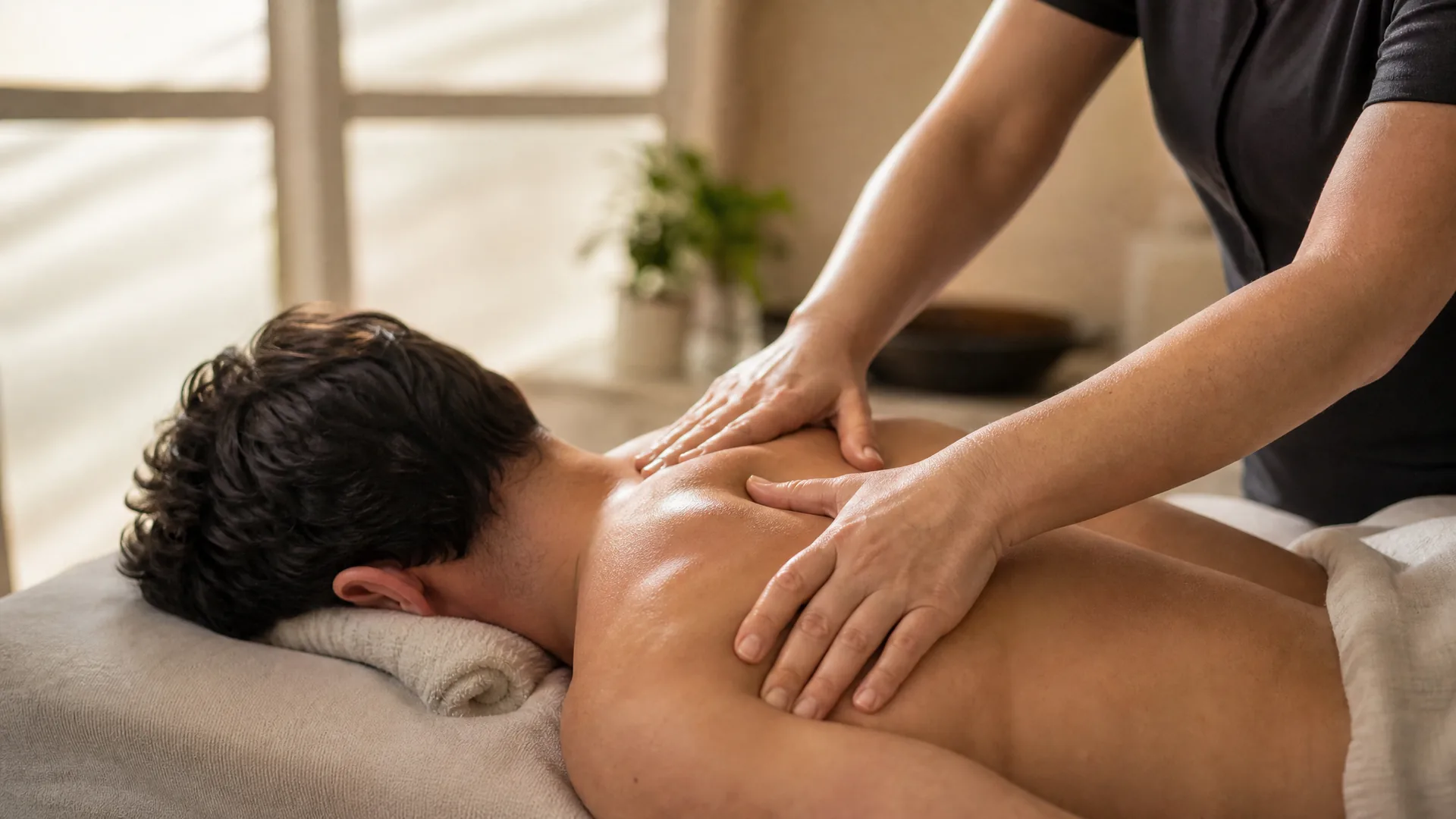
Deep tissue massage goes the other direction entirely. The therapist uses sustained, firm pressure, often from fingers, knuckles, or elbows, to work down through superficial muscle into the deeper layers underneath.
It’s slower and more targeted than a relaxation massage. The goal is to reach specific bands of tight muscle or trigger points and release them directly, rather than working on the tissue surrounding them.
Which Pain Patterns Respond Better to Each Modality
Neither modality is universally “better.” The right one depends on whether your pain comes from a fascia problem or a muscle problem. Honestly, most chronic pain is some mix of both.
When Cupping Tends to Help More
Cupping tends to shine when the tissue feels stuck, tight, or restricted at a surface level, rather than knotted in one specific spot. If you describe your pain as “tightness that won’t let go” more than “a sharp knot,” cupping is often the better starting point.
It’s also a common choice for people who find direct deep pressure uncomfortable but still want real therapeutic work done. The sensation is a pull rather than a push.
When Deep Tissue Tends to Help More
Deep tissue tends to help more when there’s a clear, localized knot or trigger point, the kind of spot that makes you wince when someone presses right on it. Chronic overuse patterns, like a shoulder that’s been favoring one side for months, usually respond well to sustained direct pressure.
Clients dealing with chronic low-back tightness from desk work or manual labor often ask which modality is “better.” In practice, the right answer depends on whether the issue is fascia-bound restriction or deep muscular knotting. If you’re dealing with chronic back pain, that distinction matters more than which technique sounds more appealing.
Can You Combine Cupping and Deep Tissue in One Session?
Yes, and in a lot of cases, combining them gets better results than either one alone. This isn’t a gimmick or an upsell. It’s how the two techniques are meant to work together.
At Body Ache Escape, the massage therapists often combine cupping and deep tissue in the same session. They use cupping to lift and decompress tissue first, then deep tissue work to address the muscle layer underneath. Think of it as clearing the path before doing the detail work. Once the fascia is loosened and lifted, the muscle underneath is easier to reach. Pressure that would otherwise feel harsh often feels more effective and more tolerable.
If you’re curious about this layered approach, our cupping massage therapy services page breaks down what a typical session looks like from start to finish.
What to Expect: Sensation, Marks, and Recovery Time
First-timers usually have two worries: does cupping hurt more than deep tissue, and will either one leave me sore or marked up for work on Monday? Fair questions, and worth answering honestly.
Cupping doesn’t hurt the way deep pressure can. It feels more like a strong pulling or tugging sensation. Most people find it strange at first, then genuinely relaxing once they get used to it. Deep tissue can feel more intense in the moment, especially over a tight or tender spot. A good therapist works within your comfort level rather than pushing through it.
Cupping Marks Explained
Cupping can leave circular discoloration where the cups were placed. These marks aren’t bruises in the injury sense. They’re a sign of increased blood flow to tissue that was restricted, and they don’t mean anything went wrong.
How long cupping marks last varies from person to person and session to session. Some people see marks fade within a few days; others take longer, depending on how tight the tissue was to begin with. If you have plans that involve visible skin soon after your session, mention that to your therapist beforehand.
Soreness After Deep Tissue
Deep tissue work can leave you a bit sore the next day, similar to how you might feel after a solid workout. That soreness typically eases within a day or two. Drinking water and light movement afterward tend to help it resolve faster.
How to Choose the Right Massage for Your Pain
Rather than guessing, walk through a few honest questions before you book:
- Does your pain feel like a specific knot you could point to, or more like generalized tightness across an area?
- Have you had deep pressure work before, and did you tolerate it well?
- Are you more comfortable with a pulling sensation or a pressing one?
- Is this a new issue, or something chronic you’ve been living with for months or years?
If you’re newer to massage therapy in general, it helps to know what to expect at your first appointment before deciding between techniques. And honestly, the most reliable way to choose isn’t to self-diagnose. It’s to describe what you’re feeling to a licensed therapist and let them assess the tissue directly. Pain patterns aren’t always what they seem from the inside, and trained hands can tell the difference between fascia restriction and muscular knotting faster than guesswork ever will. If you’re near central Ohio, therapeutic massage in Pickerington is a good place to start that conversation in person.
Is Cupping or Deep Tissue Covered by HSA/FSA?
Both cupping and deep tissue massage are often HSA/FSA eligible when they’re provided as therapeutic treatment rather than general relaxation. That’s why many Pickerington-area clients ask about coverage before booking.
Eligibility can depend on your specific plan and sometimes on documentation from a prescribing provider. For the full breakdown of how this works, using your HSA for massage therapy is worth a read before your appointment.
If you’re still weighing your options across the region, it’s also worth looking at the best massage options in Columbus to see how different approaches compare.
Either way, you don’t need to have this all figured out before you book. Tell us what your pain feels like, sharp, stuck, achy, radiating, and we’ll help you decide whether cupping, deep tissue, or a combination of both is the right starting point. That conversation, more than any article, is what actually gets you relief.