If you’ve been dealing with back pain for months, maybe years, you already know the drill. You search “massage for chronic back pain Columbus Ohio,” find a dozen spas with “back pain relief” tucked into a bullet list next to “hot stone” and “aromatherapy,” and book something that feels more like pampering than treatment. Then the ache comes back by Wednesday.
That’s not a knock on relaxation massage. It has its place. But chronic back pain isn’t a spa problem. It’s a tissue and nervous system problem that built up over time, and it usually needs a plan, not a single hour on a table.
Why Chronic Back Pain Needs More Than a Bullet Point on a Menu
Chronic pain wears people down in a way that’s hard to explain to someone who hasn’t lived with it. It’s not just the physical ache. It’s the bracing you do before you bend to pick something up, the way you avoid certain chairs, the quiet fatigue of managing it every single day. You don’t have to keep pushing through discomfort just because it’s become familiar.
Most local pages treat “back pain” as one line among many services. This one doesn’t. We want to walk through what’s actually happening in your back when pain becomes chronic, how massage therapy interrupts that process, and what a real treatment plan looks like.
How Chronic Pain Differs From a Pulled Muscle
A pulled muscle has a clear timeline. You lift something wrong, it hurts, it swells a little, and over a week or two it settles down as the tissue heals. Chronic back pain doesn’t follow that script.
Licensed massage therapists distinguish chronic back pain from acute strain by looking at how long the tightness has persisted and whether it’s tied to posture, an old injury, or nerve irritation like sciatica. If pain has stuck around for more than three months, if it flares with sitting or driving rather than a single incident, or if it’s connected to a pattern in how you move and sit every day, you’re not dealing with a simple strain anymore. You’re dealing with a system that has adapted around the pain, and that system needs to be retrained, not just rubbed for a few minutes.
What Causes Chronic Lower Back Pain and How Massage Therapy Helps
Lower back pain massage in Ohio clients often ask the same question first: can this actually fix anything, or does it just feel good for an hour and wear off? The honest answer is that it depends on what’s driving the pain and whether treatment is structured to address it.
The Muscle-Tension Cycle Behind Ongoing Pain
Chronic low back pain frequently runs on a loop. An old injury, poor posture, or long hours at a desk causes certain muscles to guard and tighten. Tight muscles pull on the spine and surrounding fascia, which restricts circulation to the area. Reduced circulation means less oxygen and nutrient flow to tissue that’s already under stress, so it stays inflamed and sensitive. That sensitivity causes more guarding, and the cycle repeats.
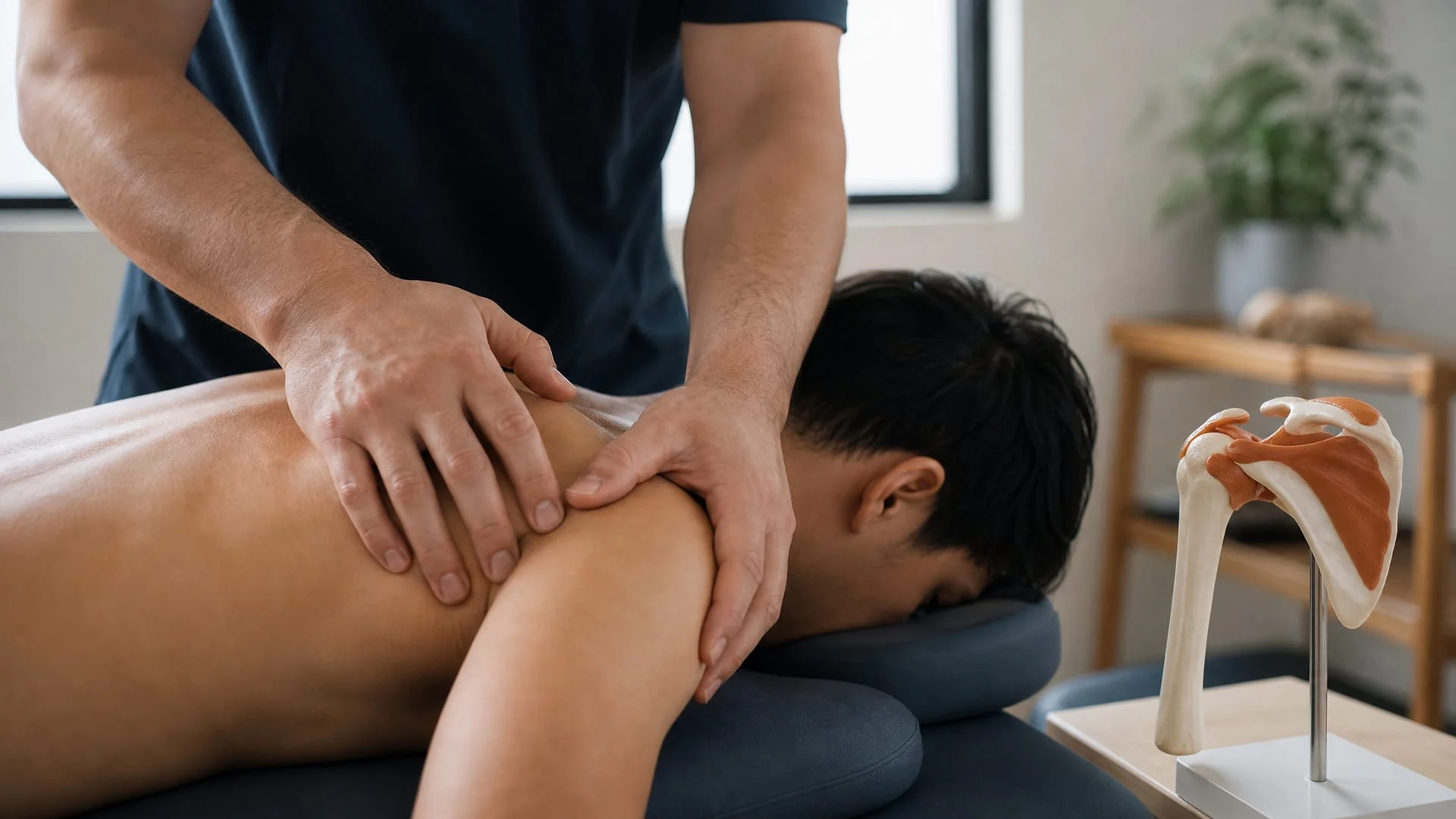
Most people who deal with chronic low back pain describe it as an on-and-off pattern that flares with sitting, driving, or stress, rather than a constant, unchanging ache. That pattern is a clue: it points to muscular and circulatory involvement, which is exactly what manual therapy is built to address. Skilled hands-on work releases trigger points, improves blood flow to the area, and gives overworked muscles permission to actually relax instead of staying braced all day.
Massage for Sciatica: When Pain Radiates Down the Leg
Sciatica adds another layer. When pain shoots down the leg, tingles into the foot, or feels like a hot wire running from the lower back downward, the sciatic nerve is usually being compressed or irritated somewhere along its path, often by a tight piriformis muscle or inflamed tissue near the lumbar spine.
Massage for sciatica in Columbus typically focuses on releasing the muscles pressing on or near the nerve, rather than working directly on the nerve itself. When the piriformis and surrounding hip muscles loosen, pressure on the sciatic nerve often eases, and that radiating pain can settle down along with it. It’s not instant, and it’s not the same protocol for every client, but it’s a well-established approach in therapeutic massage work.
Deep Tissue vs. Other Modalities for Back Pain Relief
Not every chronic back pain case calls for the same pressure or technique. This is where modality choice becomes a clinical decision rather than a menu preference.
When Deep Tissue Is the Right Call
Deep tissue for back pain near me is one of the most searched phrases for a reason. It’s often the right tool for long-standing muscle tightness, adhered fascia, and stubborn trigger points that haven’t responded to lighter work. Deep tissue massage uses slower strokes and firmer, more targeted pressure to reach the deeper muscle layers where chronic tension tends to live. For someone who’s had tightness in the same spot for a year or more, that depth is often necessary to create real change.
Gentler Options for Sensitive or Flare-Up Days
Deep tissue isn’t always the answer, though. During an active flare-up, or for clients whose nervous system is already on high alert from pain, going in hard can backfire and increase guarding instead of releasing it. On those days, gentler Swedish work or lymphatic-focused techniques calm the nervous system first and improve circulation without adding stress to already irritated tissue. A therapist who understands chronic pain adjusts pressure session to session, based on how your body is responding that week, rather than applying the same technique every time regardless of how you’re feeling.
What a Customized Treatment Plan Looks Like at Body Ache Escape
Body Ache Escape structures back pain care as a plan across multiple visits, not a one-off session, adjusting pressure and technique as tissue responds. That’s a different model than walking in for a standard hour and walking out with the same instructions every time.
Your First Visit: Assessment Before Treatment
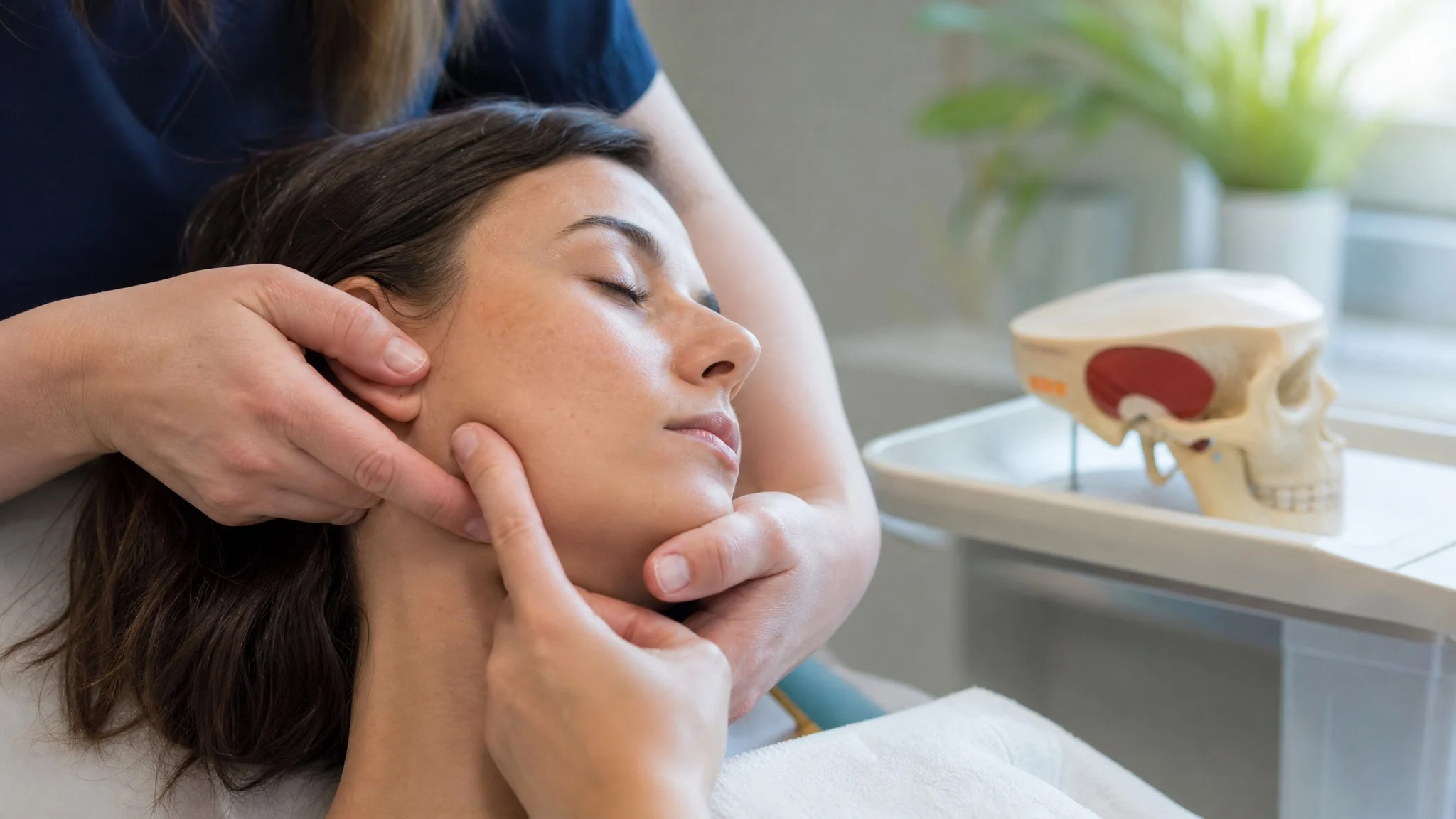
Your first visit starts with a conversation, not immediately with hands on your back. A therapist asks about where the pain sits, how long it’s been going on, what makes it worse, and what your daily movement and posture actually look like: desk job, physical labor, long commutes, old injuries. That intake shapes the session before any massage begins.
From there, the therapist assesses tension patterns directly. Where is the tightness concentrated? How might your posture be contributing? Is there any sign of nerve involvement, like sciatica? Treatment that day is based on what that assessment turns up, not a fixed script.
Building a Plan Across Multiple Sessions
Chronic pain built up over months or years, so it’s realistic that it takes more than one session to unwind. Body Ache Escape has been treating chronic pain patients in Pickerington since June 2010 under founders and licensed massage therapists Michele and Kyron, and that experience has shaped a treatment approach built around progression rather than a single fix.
A typical plan involves an initial round of sessions spaced closely together to interrupt the tension cycle, followed by maintenance visits spaced further apart once things improve. One regular client who drives in from Columbus for recurring lower back tightness now maintains a monthly deep tissue schedule instead of relying on pain medication. That’s not a one-time fix. It’s a sustainable way to manage pain long term.
Massage for Back Pain Across Columbus, Pickerington, and Reynoldsburg
Body Ache Escape works with clients throughout Columbus, Pickerington, Reynoldsburg, and Canal Winchester, and chronic back pain is one of the most common reasons people make the drive. If you’re weighing whether it’s worth traveling for massage instead of picking the closest option, it comes down to outcomes. A generic relaxation session near your house might feel nice, but if it doesn’t address the actual mechanism behind your pain, you’ll be back where you started within a week.
For readers researching back pain treatment in Pickerington specifically, or comparing the best massage options in Columbus for pain relief, the same principle applies everywhere in the service area: look for a plan built around your specific pain pattern, not a standard menu item. Pickerington-based readers can also look at massage therapy near Pickerington for pain relief and the broader therapeutic massage services in Pickerington for more on how sessions are structured locally. Some clients also pair regular massage with infrared sauna benefits for sore muscles between visits to help manage tightness on the days they’re not in for a session.
If you’re a veteran managing long-term pain, the same treatment logic applies, and there’s dedicated information on massage therapy for chronic pain and recovery that covers that specific situation.
Paying for Chronic Pain Massage With HSA or FSA
Massage therapy aimed at a documented medical condition like chronic back pain is often eligible for payment through an HSA or FSA in Ohio, particularly when it’s part of a treatment plan rather than general relaxation. Eligibility rules vary by plan, so it’s worth checking your specific account, but many clients successfully use these funds for ongoing back pain care.
For more detail on how this works, there’s a full breakdown on using your HSA for massage therapy, and a separate look at FSA-eligible massage therapy in Ohio if that’s the account you’re working with.
If chronic back pain has been running your life for long enough, an assessment is the next reasonable step, not another round of guessing. Book a visit at Body Ache Escape and start with a real conversation about what’s actually going on in your back, then build a plan from there.