If you’ve served, your body has kept score. Years of carrying heavy gear, sleeping on hard surfaces, absorbing impact, and then civilian life, which doesn’t always come with a good explanation for why your back still locks up or your sleep is still broken. Massage for veterans isn’t a spa indulgence. It’s a clinically recognized tool for the exact kind of wear and tear military service puts on a human body. More veterans are using it, more VA programs are supporting it, and more therapists are trained to deliver it. Here’s what you need to know.
Why So Many Veterans Are Turning to Massage Therapy
The physical toll of service doesn’t clock out when a veteran does. Chronic back and neck pain from rucking and vehicle rides, joint damage from repeated heavy load-bearing, nerve tension from years of hypervigilance, these aren’t abstract complaints. They’re daily, grinding realities.
Roughly one in three veterans reports living with chronic pain, a rate meaningfully higher than the general adult population. For many, the first line of treatment is medication, and that’s sometimes appropriate. But medication alone doesn’t release a locked-up muscle, break down scar tissue, or shift a nervous system out of fight-or-flight mode. That’s where massage therapy fills a real gap.
The VA has recognized this. Its Whole Health program now includes complementary and integrative approaches, massage therapy among them, as part of personalized veteran care plans. That’s a real institutional shift. It reflects clinical recognition that outcomes matter more than convention, and that veterans deserve more than a pill and a co-pay.
The Physical Benefits of Massage for Veterans
Chronic Pain and Musculoskeletal Relief
Service-related pain most often lives in the low back, neck, shoulders, and knees. It’s often layered, muscle guarding on top of an old injury, scar tissue pulling on surrounding tissue, joints compensating for years of asymmetric load.
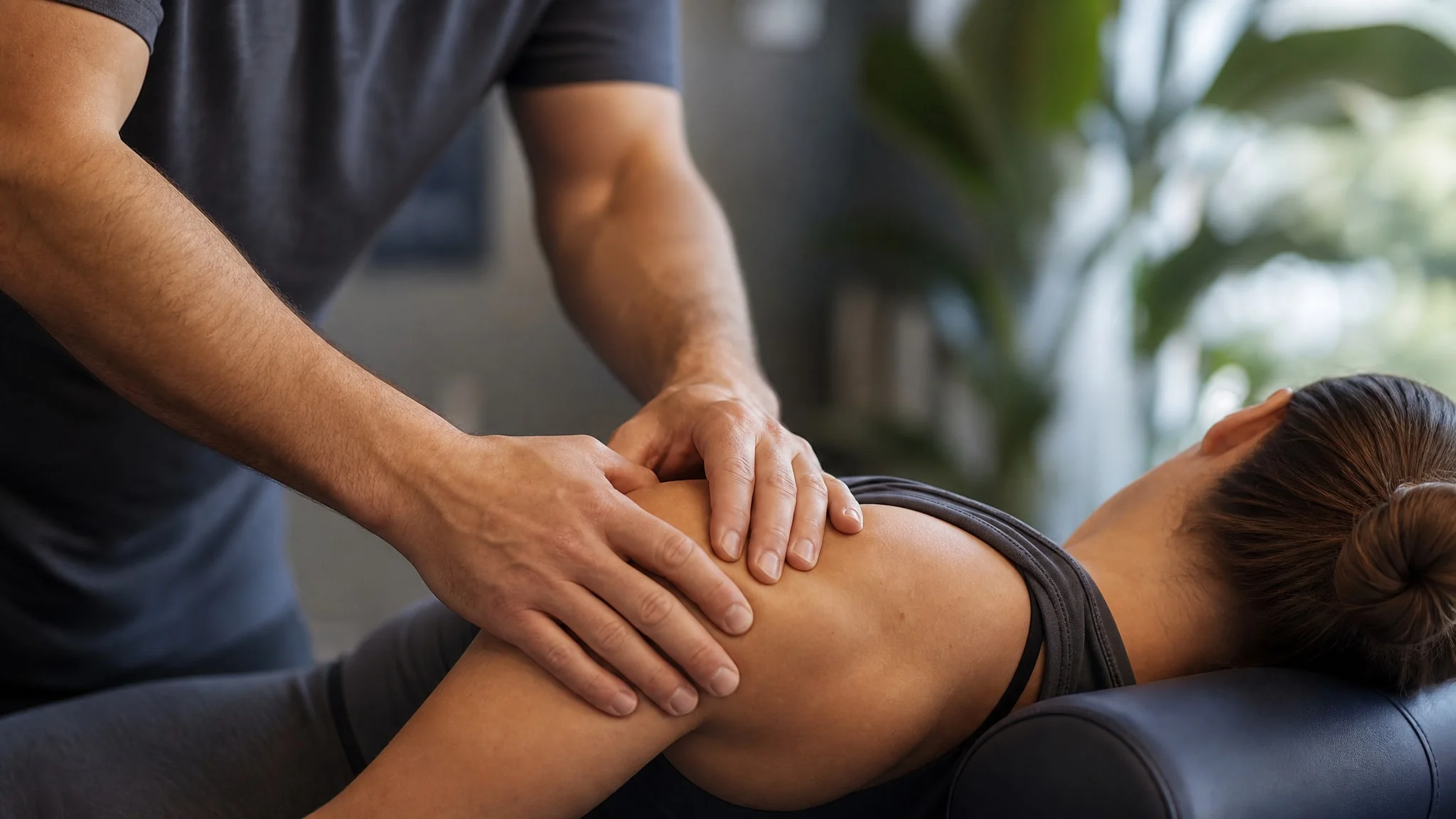
Massage works on all of those layers. Targeted pressure reduces muscle tension directly. Work on scar tissue, done carefully and progressively, can improve tissue mobility and reduce the pulling sensation many veterans feel around old wounds or surgical sites. Research published in military medicine literature consistently shows that massage reduces self-reported pain intensity in service members and veterans, with effects that go beyond temporary relief.
The short version: if your pain is musculoskeletal in origin, massage therapy has a genuine mechanism for addressing it, not just masking it.
Sleep, Nervous System, and Stress Response
Hypervigilance is a survival adaptation. It served a purpose. But when a nervous system stays locked in high-alert mode long after the threat is gone, the downstream effects are real: poor sleep, elevated baseline tension, and a body that never fully recovers between days.
Massage works on the parasympathetic nervous system, the “rest and digest” side that counterbalances fight-or-flight. A well-executed session can measurably lower cortisol and shift the body toward a recovery state. Veterans who come in reporting disrupted sleep often notice improvement after consistent sessions, not because massage is magic, but because a body that’s been allowed to downshift can actually rest.
Which Massage Modalities Work Best for Veterans
Not all massage is the same, and getting a massage without matching the modality to the problem is a bit like grabbing any random tool from a toolbox. Here’s how the most relevant ones map to veteran-specific needs:
Deep tissue massage targets the deeper layers of muscle and connective tissue. It’s the right tool for chronic muscle tension, postural problems from years of gear-carrying, and stubborn knots that don’t respond to lighter pressure. It’s not pleasant in the way a relaxation massage is, but it works.
Trigger point therapy addresses specific hyperirritable spots in muscle tissue, points that refer pain elsewhere when pressed. Low back pain that radiates, neck pain that causes headaches, shoulder tension that limits range of motion, trigger point work can interrupt those patterns directly.
Myofascial release works on the connective tissue (fascia) surrounding muscles rather than the muscles themselves. It’s particularly useful for veterans with scar tissue from wounds or surgeries, and for anyone whose body has developed chronic compensatory movement patterns. The technique is slow and sustained rather than percussive, it asks the tissue to let go rather than forcing it.
Swedish massage (lighter, flowing strokes) is often underestimated for veterans. If sleep disruption and nervous system dysregulation are the primary complaints, a gentler session focused on calming the system may do more than aggressive deep work. It’s also a smart starting point if you haven’t had massage before, or if your body is sensitive after injury.
Most good therapeutic sessions blend modalities based on what’s happening in your body that day, rather than picking one and sticking to it rigidly.
How Veterans Can Pay for Massage Therapy
Cost is a real barrier, so here’s a practical breakdown of what’s actually available.
VA Community Care referrals can cover massage therapy in some cases. If your primary care provider or VA care team includes massage as part of a Whole Health or pain management plan, a Community Care referral can authorize sessions with an approved community therapist. It requires some navigation, talk to your VA care coordinator, but it’s worth pursuing if you’re already in the VA system.
HSA and FSA accounts are often the simplest path for veterans who have them through civilian employment or a spouse’s plan. Both Health Savings Accounts and Flexible Spending Accounts can cover massage therapy when it’s used to treat a medical condition, which chronic pain, service-related injuries, and musculoskeletal dysfunction all qualify as. If you have one of these accounts, using your HSA to cover massage therapy is straightforward and significantly reduces your out-of-pocket cost.
Nonprofit organizations are an underused resource. Groups like Semper Fi & America’s Fund and the Healing Warriors Program have funded massage therapy sessions for post-9/11 veterans managing chronic pain, TBI recovery, and the physical aftermath of deployment. Eligibility and coverage vary by program and era of service, check directly with the organizations for current application details.
What to Look for in a Massage Therapist If You’re a Veteran
The right therapist makes a significant difference. Here’s what to look for and what to ask:
Trauma-informed training. This isn’t just a buzzword. A trauma-informed therapist understands that certain touches, positions, or unexpected pressure can be dysregulating for someone whose nervous system has experienced combat or high-stress service. They communicate before touching, explain what they’re doing, and give you genuine control over the session.
An intake process that asks real questions. A good intake form will ask about injury history, surgeries, areas to avoid, and pressure preferences, before the session starts. If a therapist just asks “anything I should know?” at the table, that’s a sign their intake is shallow.
Willingness to modify. Prone (face-down) positioning can be uncomfortable for veterans with certain injuries, breathing issues, or trauma responses. Side-lying, seated, or supine work are all viable alternatives. A skilled therapist adapts rather than defaulting to one setup.
Your job is to speak up. Telling a therapist where you’ve had surgeries, what pressure feels like too much, what positions don’t work, that’s not demanding. It’s how therapeutic massage actually becomes therapeutic. A good therapist expects it and welcomes it.
Is massage therapy safe for veterans with scar tissue or prior injuries? Yes, when the therapist is informed and skilled. Scar tissue work is done conservatively and progressively, it’s not aggressive, and a good therapist will check in throughout. Existing hardware (plates, screws, implants) and recent surgical sites need to be disclosed, but they’re not disqualifying.
Getting Massage for Veterans in the Pickerington and Columbus Area
If you’re a veteran in central Ohio looking for therapeutic massage for pain relief near Pickerington, Body Ache Escape is built around exactly the kind of results-driven work this article has been describing.
The approach here isn’t ambiance-first. It’s outcome-first. Every session at Body Ache Escape starts with a thorough intake conversation, your therapist will ask about your injury history, areas to avoid, pressure preferences, and any conditions that need to be worked around before the session begins. For veterans with scar tissue, prior surgeries, or areas of sensitivity, that intake conversation is where the real therapeutic work starts.
The team is clinician-minded, not spa-minded. If you come in with a specific complaint, a low back that’s been locked up since a deployment, a shoulder that hasn’t moved right since a surgery, sleep that’s been disrupted for years, the session is built around addressing that. You leave with a body that’s actually different, not just temporarily relaxed.
HSA and FSA are accepted directly, so if you have one of those accounts, your sessions can be covered without the paperwork hassle. For therapeutic massage at Body Ache Escape in Pickerington, booking a first session is the straightforward next step, bring your intake information, speak up about your history, and let the work do what it’s designed to do.
You’ve already done the hard part. Getting your body the support it’s earned shouldn’t be.