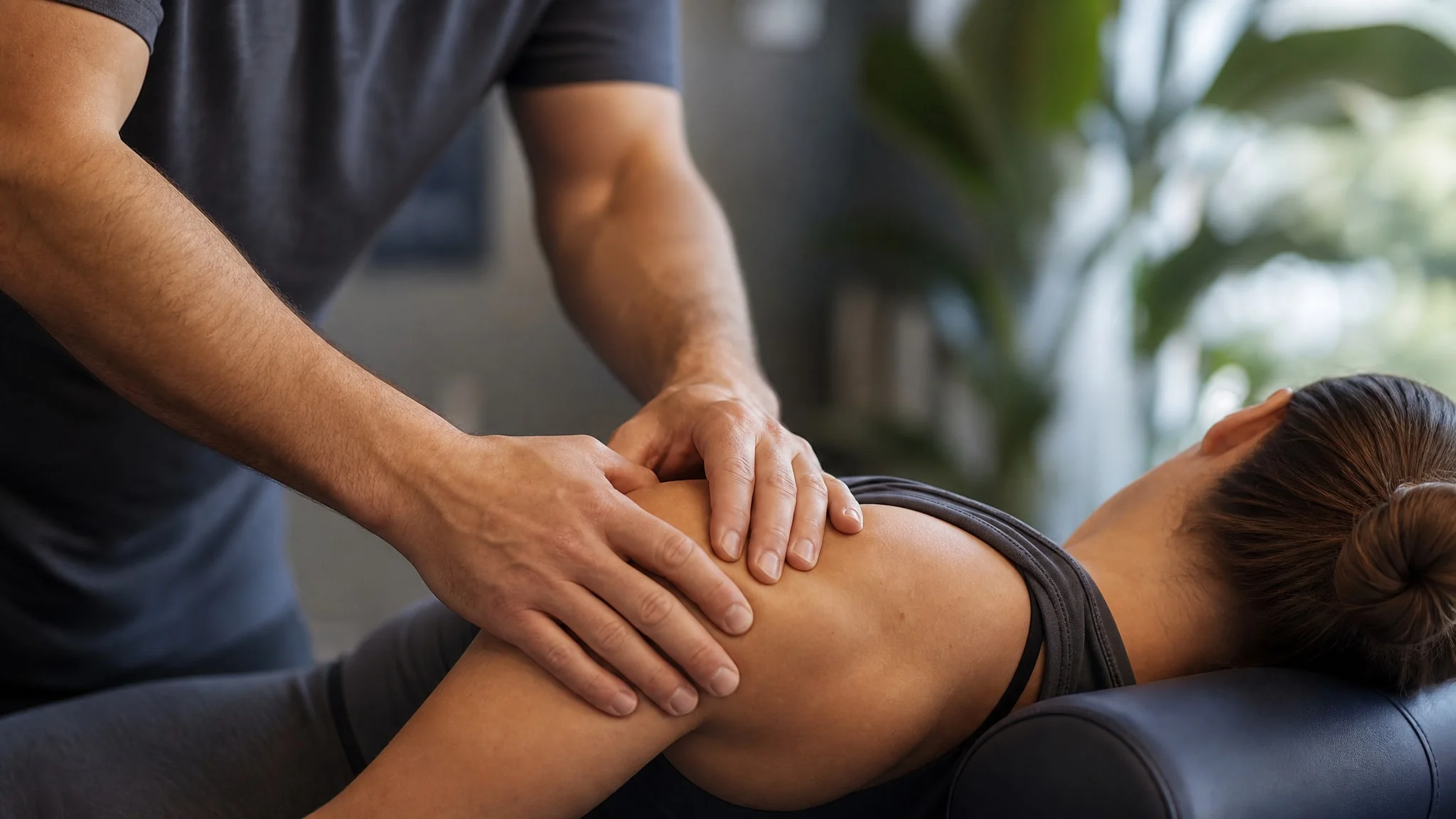
Therapeutic medical massage is a clinically targeted, hands-on therapy designed to treat specific health conditions by manipulating soft tissues to relieve pain, restore mobility, and support recovery. Unlike a spa massage focused on relaxation, this approach uses protocol-driven techniques tied to a diagnosed condition or documented complaint. Practitioners assess your pain levels, range of motion, and medical history before selecting techniques. The goal is measurable functional improvement, not just a pleasant hour on the table. For Ohioans managing chronic pain, postural strain, or stress-related tension, understanding this distinction is the first step toward getting real results.
What is therapeutic medical massage and how does it work?
Therapeutic medical massage is defined as a condition-specific treatment that applies targeted soft tissue techniques to address diagnosed or documented health problems. The industry standard term is “medical massage therapy,” and both phrases describe the same clinical approach. What sets it apart from general massage is the presence of a treatment plan, objective outcome tracking, and often coordination with a physician or physical therapist.
The physiological mechanism is concrete. Medical massage activates peripheral receptors to reset the central nervous system’s motor outflow, enabling lasting changes in chronic pathological soft tissue patterns. That means the therapy is not just loosening tight muscles temporarily. It is triggering bioelectrical signals that retrain how your nervous system holds tension. Techniques like myofascial release, trigger point therapy, connective tissue manipulation, and lymphatic drainage each target different layers of soft tissue and different neurological pathways.
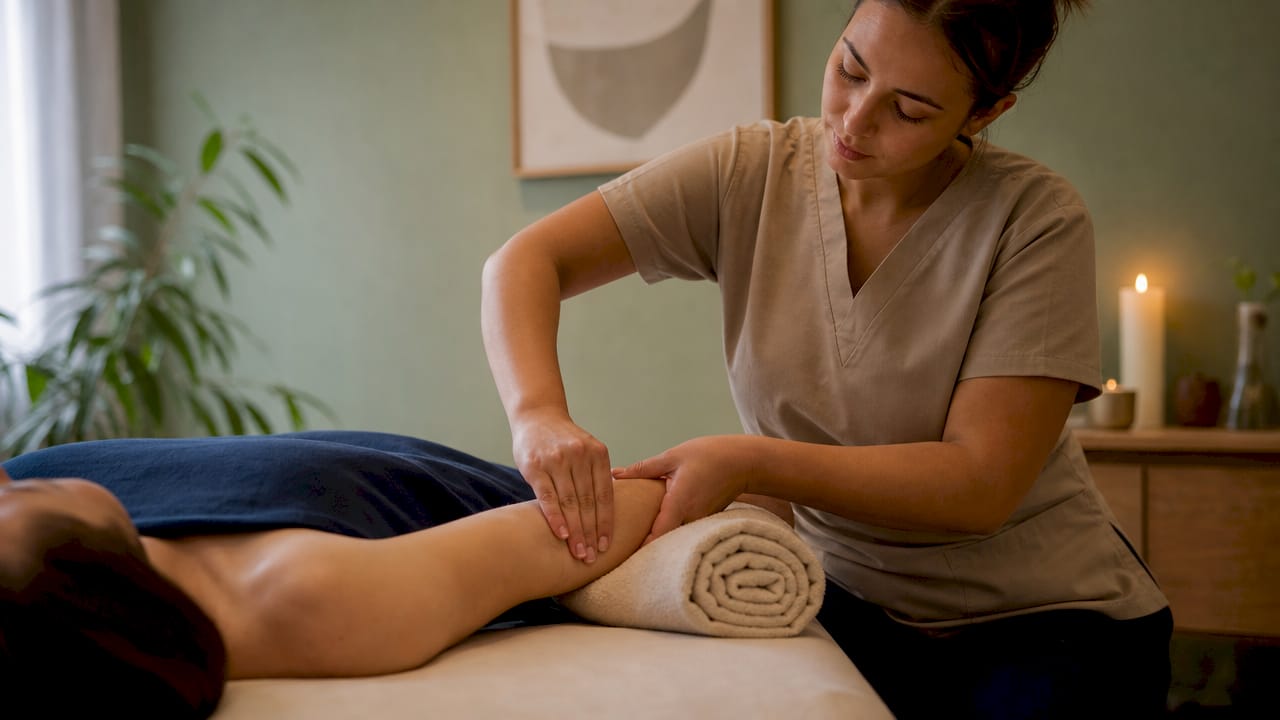
Autonomic nervous system balance is another key mechanism. By regulating sympathetic and parasympathetic activity, skilled practitioners help your body shift out of a chronic stress or pain state. This is why medical massage therapy works for conditions far beyond simple muscle soreness.
Who benefits most from medical massage therapy?
Medical massage treats a wide range of conditions including myofascial pain syndrome, sciatica, chronic headaches, fibromyalgia, nerve pain, and sports injuries. It also addresses digestive disorders, TMJ pain, and chemotherapy side effects. That breadth reflects how deeply soft tissue dysfunction connects to overall health.
Several populations see particularly strong results:
- Chronic pain clients dealing with fibromyalgia or sciatica benefit from targeted trigger point and myofascial work that addresses the root cause of their pain patterns.
- Pregnant women receive adapted sessions that account for positioning, pressure sensitivity, and trimester-specific concerns, making it a safe and effective option throughout pregnancy.
- Busy professionals in Ohio often present with postural strain affecting the neck, shoulders, back, and hips from long hours at desks or in cars. Postural dysfunction responds well to targeted soft tissue work combined with home-care advice.
- Aging adults benefit from improved circulation, reduced joint stiffness, and better range of motion over a consistent treatment series.
- Teens and younger clients dealing with sports injuries or growing pains also respond well to age-appropriate therapeutic bodywork. You can read more about massage for younger clients if that applies to your family.
Sessions are tailored to each person’s comfort level and clinical goals. A therapist working with a pregnant client uses entirely different positioning and pressure than one treating a runner’s IT band injury. That customization is what makes this approach effective across such different populations.
How does therapeutic massage differ from a spa massage?
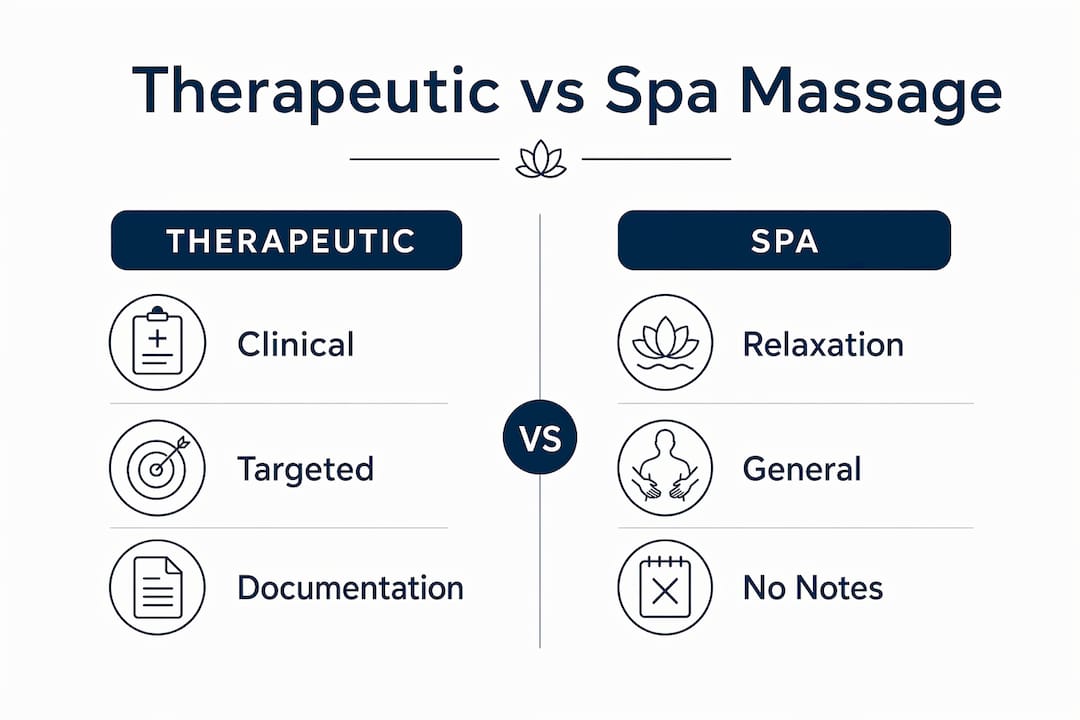
The difference comes down to intent, structure, and accountability. A spa massage prioritizes relaxation and general wellbeing. Medical massage therapy prioritizes measurable clinical outcomes tied to a specific condition.
Medical massage requires documentation, treatment notes, and often physician coordination. Practitioners use pain scales and range-of-motion tests to establish a baseline and track progress across sessions. That data drives clinical decisions. A spa therapist asks how much pressure you prefer. A medical massage therapist asks where your pain is worse, when it started, and what movements aggravate it.
| Feature | Spa or relaxation massage | Medical massage therapy |
|---|---|---|
| Primary goal | Relaxation and stress relief | Treating a specific condition |
| Session structure | Client preference-driven | Protocol-driven with assessments |
| Documentation | Minimal or none | Treatment notes and outcome tracking |
| Physician coordination | Rarely | Common, often required |
| Outcome measurement | Subjective (how you feel) | Objective (pain scale, range of motion) |
| Practitioner training | Varies widely | Specialized clinical training required |
Pro Tip: Before your first medical massage session, ask your therapist whether they use intake assessments and re-evaluations. A yes signals a clinical approach. A blank stare signals a spa approach in disguise.
Insurance coverage for medical massage varies significantly. Most plans treat it as elective unless your provider documents medical necessity. Verify your coverage before booking and prepare for potential out-of-pocket costs. Bring any relevant physician notes or imaging reports to your first appointment.
What techniques make therapeutic bodywork effective?
Effective medical massage relies on individualized technique selection based on detailed patient evaluation, not generic routines. The shift from one-size-fits-all to targeted protocols is what separates clinical results from temporary relief.
The core techniques used in therapeutic bodywork include:
- Myofascial release: Sustained pressure applied to the connective tissue surrounding muscles, releasing restrictions that limit movement and cause referred pain.
- Trigger point therapy: Direct pressure on hyperirritable muscle knots that refer pain to other areas. A trigger point in the upper trapezius, for example, commonly causes headaches.
- Connective tissue manipulation: Deeper work targeting fascia and ligamentous structures, often used for post-surgical recovery and overuse injuries.
- Lymphatic drainage: Gentle, rhythmic strokes that move lymph fluid through the body, reducing swelling and supporting immune function.
- Friction and percussion: Techniques that break down scar tissue and stimulate circulation in targeted areas.
Each technique activates different peripheral receptors and initiates bioelectrical signals that travel to the central nervous system. Acetylcholine release during certain techniques plays a direct role in resetting motor patterns in chronically tight or dysfunctional tissue. This is not a passive process. The therapist is actively directing neurological change.
Pro Tip: If you have chronic pain, ask your therapist to explain which technique they are using and why. Understanding the “why” helps you recognize progress and communicate more clearly about what is and is not working.
Measurable outcomes improve over multiple sessions, including reduced muscle spasm, improved mobility, and enhanced range of motion. Single sessions rarely resolve chronic conditions. Consistent, protocol-driven treatment is what produces lasting change.
How to incorporate massage for rehabilitation into your wellness routine
Integrating therapeutic massage into your overall care plan takes some planning, but the payoff is real. Here is a practical approach:
- Talk to your doctor first. If you have a diagnosed condition, ask your physician whether medical massage therapy is appropriate. A referral or treatment note can support insurance claims and guide your therapist’s protocol.
- Find a therapist with clinical training. Look for practitioners who specialize in your condition. At Bodyacheescape in Pickerington, therapists work at four different experience levels, so you can match your goals and budget to the right provider.
- Complete a thorough intake. Your first session should include a health history review, pain scale assessment, and range-of-motion evaluation. This baseline shapes every session that follows.
- Commit to a treatment series. Chronic conditions require consistent treatment over several sessions. A single appointment is unlikely to resolve long-standing dysfunction. Plan for at least four to six sessions before evaluating progress.
- Coordinate with other providers. Medical massage works best as part of coordinated care alongside physical therapy, chiropractic, or your primary care physician. Share session notes across your care team when possible.
- Follow home-care advice. Your therapist will likely recommend stretches, postural adjustments, or self-care tools between sessions. Following through on these recommendations accelerates your progress.
- Track your own outcomes. Keep a simple pain journal rating your discomfort before and after each session. This data helps your therapist adjust the protocol and helps you see progress that might otherwise feel invisible.
For busy professionals, scheduling consistency matters more than session length. A 60-minute appointment every two weeks beats an occasional two-hour session with no follow-through. If you want guidance on fitting wellness into a packed schedule, that resource covers practical strategies worth reading.
What should you expect during and after a session?
Your first therapeutic massage session will feel different from a spa visit. Expect these elements:
- Detailed intake: Your therapist gathers health history, current symptoms, pain locations, and any relevant medical records or physician notes.
- Baseline assessment: Pain scales and range-of-motion tests establish where you are starting from. Outcome measurements guide every clinical decision throughout your treatment series.
- Targeted work: The therapist applies specific techniques to the areas identified in your assessment, not a full-body routine. You may feel localized pressure, mild discomfort at trigger points, or a release sensation as tissue responds.
- Post-session communication: Your therapist explains findings, what they addressed, and what to do at home. This is not optional small talk. It is part of the clinical process.
- Temporary soreness: Some clients feel mild soreness for 24–48 hours after deep tissue or trigger point work. This is normal and typically resolves with hydration and gentle movement.
The most common misconception is that you should feel dramatically better after one session. For acute injuries, that sometimes happens. For chronic conditions like fibromyalgia or long-standing sciatica, progress is cumulative. Each session builds on the last.
Key Takeaways
Therapeutic medical massage produces lasting results through protocol-driven, condition-specific treatment that tracks measurable outcomes across multiple sessions, not through single appointments or generic routines.
| Point | Details |
|---|---|
| Clinical intent separates it from spa massage | Medical massage uses assessments, documentation, and physician coordination to treat specific conditions. |
| Neurological mechanisms drive lasting change | Techniques activate peripheral receptors and reset central nervous system motor patterns for durable relief. |
| Multiple populations benefit | Pregnant women, busy professionals, aging adults, and chronic pain clients all respond well with tailored protocols. |
| Consistent treatment is required | Chronic conditions need four to six or more sessions before meaningful, stable progress appears. |
| Insurance requires documentation | Most plans need a medical necessity determination; prepare for out-of-pocket costs and bring physician notes. |
What I have learned after years of watching clients heal
I have seen clients walk in convinced that one good massage will fix a problem they have had for three years. That hope is understandable. Chronic pain is exhausting, and people want relief fast. But the honest truth is that the body took time to develop those patterns, and it takes time to unlearn them.
What I find most encouraging is how much progress is possible when clients commit to a real treatment plan. The ones who show up consistently, follow home-care advice, and communicate openly with their therapist are the ones who see genuine change. The ones who come in once, feel some relief, and disappear rarely get where they want to go.
The growing acceptance of medical massage within multidisciplinary care teams in Ohio is a real shift. More physicians are referring patients for therapeutic bodywork alongside physical therapy and chiropractic. That coordination produces better outcomes than any single modality alone. The benefits of massage therapy are well documented, but they compound when the therapy is part of a coordinated plan.
Practitioner training matters enormously. The difference between a therapist who understands neurophysiology and one who just learned Swedish technique in a weekend course is the difference between clinical results and a pleasant but ineffective experience. Ask about your therapist’s training. A good clinician will welcome the question.
— Michele
Therapeutic care at Bodyacheescape in Pickerington
Bodyacheescape has served the Pickerington, Ohio community for over 15 years with a focus on personalized, results-driven care. The clinic employs therapists at four experience levels, so whether you are managing a complex chronic condition or addressing postural strain from desk work, there is a provider matched to your needs and budget.
Bodyacheescape addresses both acute and chronic pain through targeted therapeutic bodywork, helping clients move more freely and feel better in their bodies. Complementary services including facials and infrared sauna support your overall wellness between massage sessions. If you are ready to experience condition-specific massage care in a thoughtful, clinical environment, Bodyacheescape is a strong place to start. You can also explore stress-focused massage options if tension and anxiety are your primary concerns.
FAQ
What is therapeutic medical massage used for?
Therapeutic medical massage treats specific conditions including myofascial pain syndrome, sciatica, fibromyalgia, chronic headaches, nerve pain, and sports injuries. It also supports recovery from surgery and addresses postural dysfunction.
How many sessions does medical massage therapy require?
Chronic conditions typically require four to six or more sessions before producing stable, measurable improvement. Single sessions rarely resolve long-standing dysfunction.
Is medical massage covered by insurance in Ohio?
Most insurance plans classify medical massage as elective and require documentation of medical necessity before covering it. Verify your plan’s terms and bring physician notes to your first appointment.
How does therapeutic massage differ from a regular spa massage?
Medical massage uses clinical assessments, treatment notes, and outcome tracking tied to a specific condition. Spa massage focuses on relaxation without documented clinical goals or physician coordination.
Can pregnant women receive therapeutic medical massage?
Yes. Sessions for pregnant clients use adapted positioning, modified pressure, and trimester-specific protocols to keep treatment safe and effective throughout pregnancy.