If you’ve searched for infrared sauna benefits for muscle pain, you’ve probably landed in one of two camps. One is dense clinical language about vasodilation and core temperature that reads like a textbook. The other is wellness-influencer hype claiming a sauna session cures everything from anxiety to arthritis. Neither is much help when you’re just trying to figure out if 30 minutes in a warm box will loosen your tight shoulders or aching lower back.
Here’s the grounded middle ground: infrared sauna isn’t a miracle cure, but it’s also not just a fancy way to relax. There’s real physiology behind why heat helps sore, tense muscles, and real limits to what it can do on its own.
Does Infrared Sauna Really Help Sore Muscles? Separating Evidence from Hype
The short answer is yes. Infrared sauna can genuinely help sore muscles, but it works with your body’s normal repair processes rather than replacing them. Heat is one of the oldest, most reliable tools in pain relief for a reason. It increases blood flow, and blood carries oxygen and nutrients to tired or damaged tissue while helping flush out some of the metabolic byproducts that build up after strain or overuse.
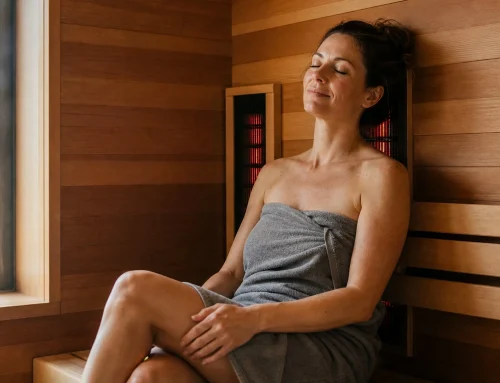
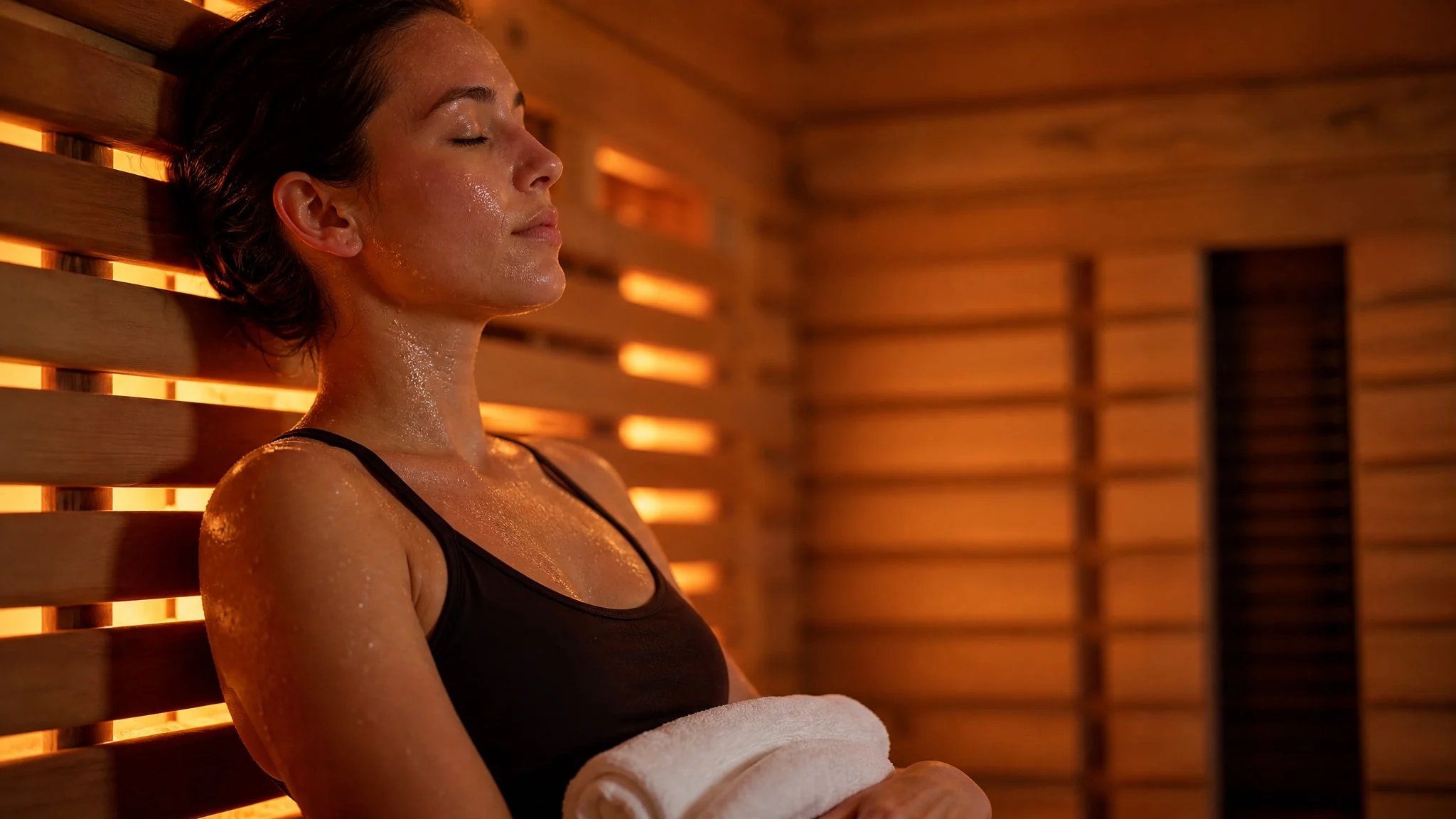
Infrared sauna doesn’t just warm the air around you. It uses infrared light to heat your body directly, which is part of why people often feel effects in muscle tissue that a regular hot room wouldn’t reach as effectively.
So no, it’s not only relaxation. Relaxation is part of the picture, and it matters, since stress and muscle tension feed each other. But the physical loosening you feel afterward has a mechanical basis too.
How infrared heat affects muscle tissue and circulation
When infrared light penetrates the skin, it raises tissue temperature at a deeper level than ambient heat alone typically achieves. That deeper warmth encourages blood vessels to dilate, which is the increased circulation people mean when they say a sauna “gets things moving.” More blood flow to a tight muscle can mean less stiffness, more pliability, and often less discomfort, at least temporarily.
It’s worth being honest about the word “temporarily.” A single session isn’t going to permanently reverse a chronic issue. But consistent use, especially paired with other care, can add up to meaningful, lasting relief for a lot of people.
Infrared Sauna for Back Pain and Chronic Discomfort
Back pain is probably the single most common reason people ask about infrared sauna benefits for muscle pain in the first place. And it makes sense. So much of daily life, sitting at a desk, hunching over a phone, lifting awkwardly, ends up concentrated right in the lower and mid-back.
Why back pain responds well to consistent heat therapy
Back muscles tend to guard and tighten in response to strain, and that guarding itself can become a source of pain, separate from whatever caused the original tightness. Heat helps interrupt that cycle. A client managing lower back tightness from long desk hours might notice looser muscles and easier movement after 20-30 minutes in an infrared sauna, even before any hands-on treatment.
Consistency matters here more than intensity. One long session won’t undo months of poor posture, but regular shorter sessions can help keep that guarding response from taking over.
When infrared sauna isn’t enough on its own
Here’s where honesty matters: infrared sauna is a supportive tool, not a standalone fix, especially for chronic or structural back pain. If your discomfort comes from a disc issue, a nerve impingement, or long-term postural damage, heat alone won’t resolve the underlying cause. It can make the pain more manageable and the muscles around the problem area less reactive, but it works best alongside other care.
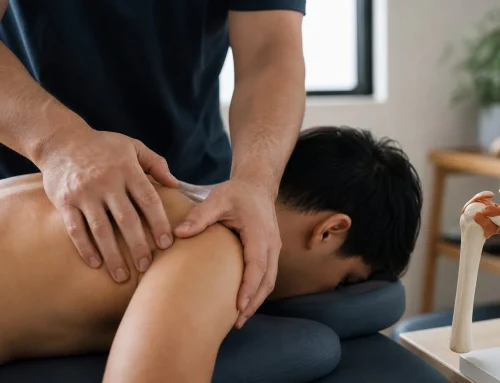
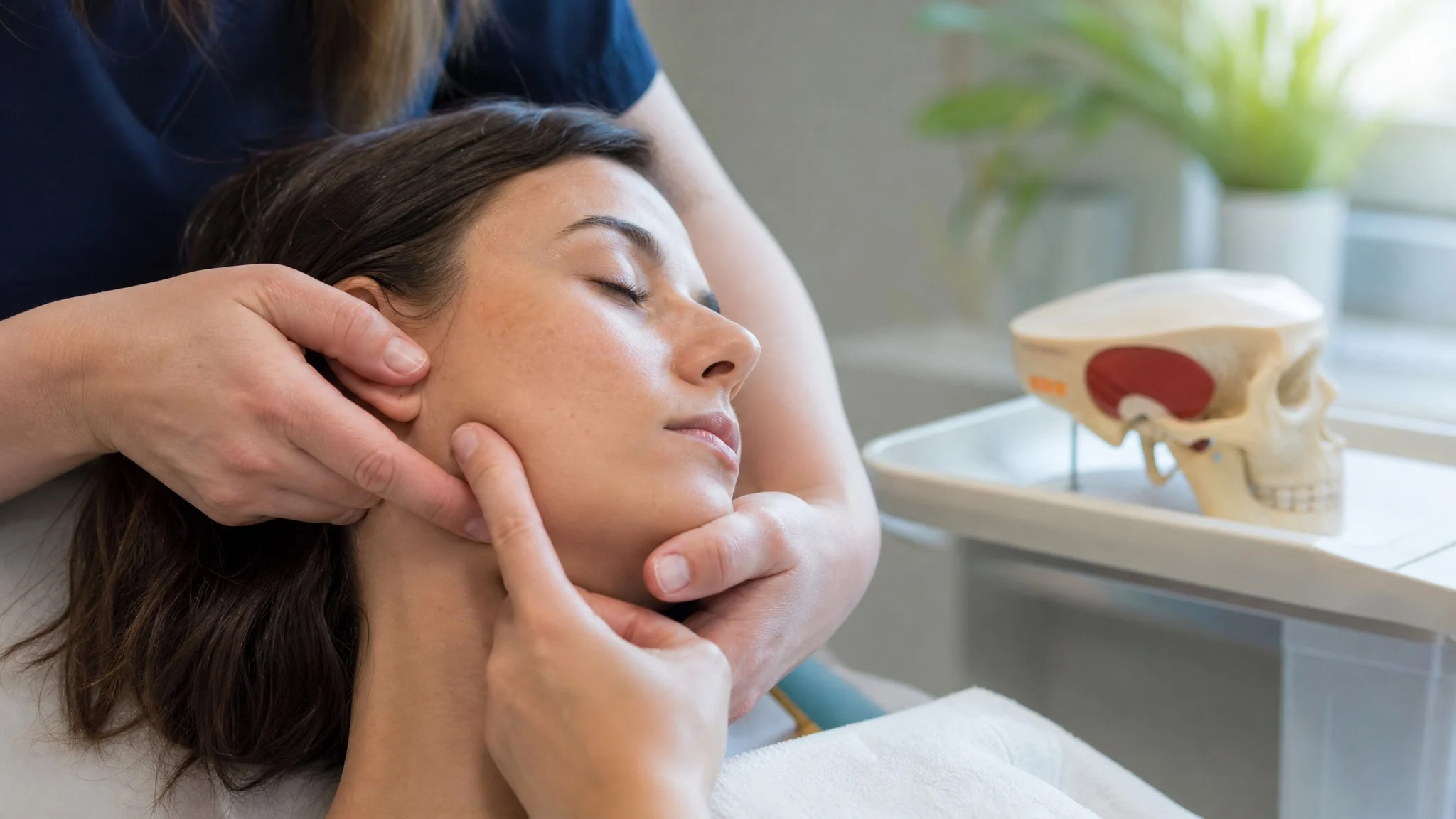
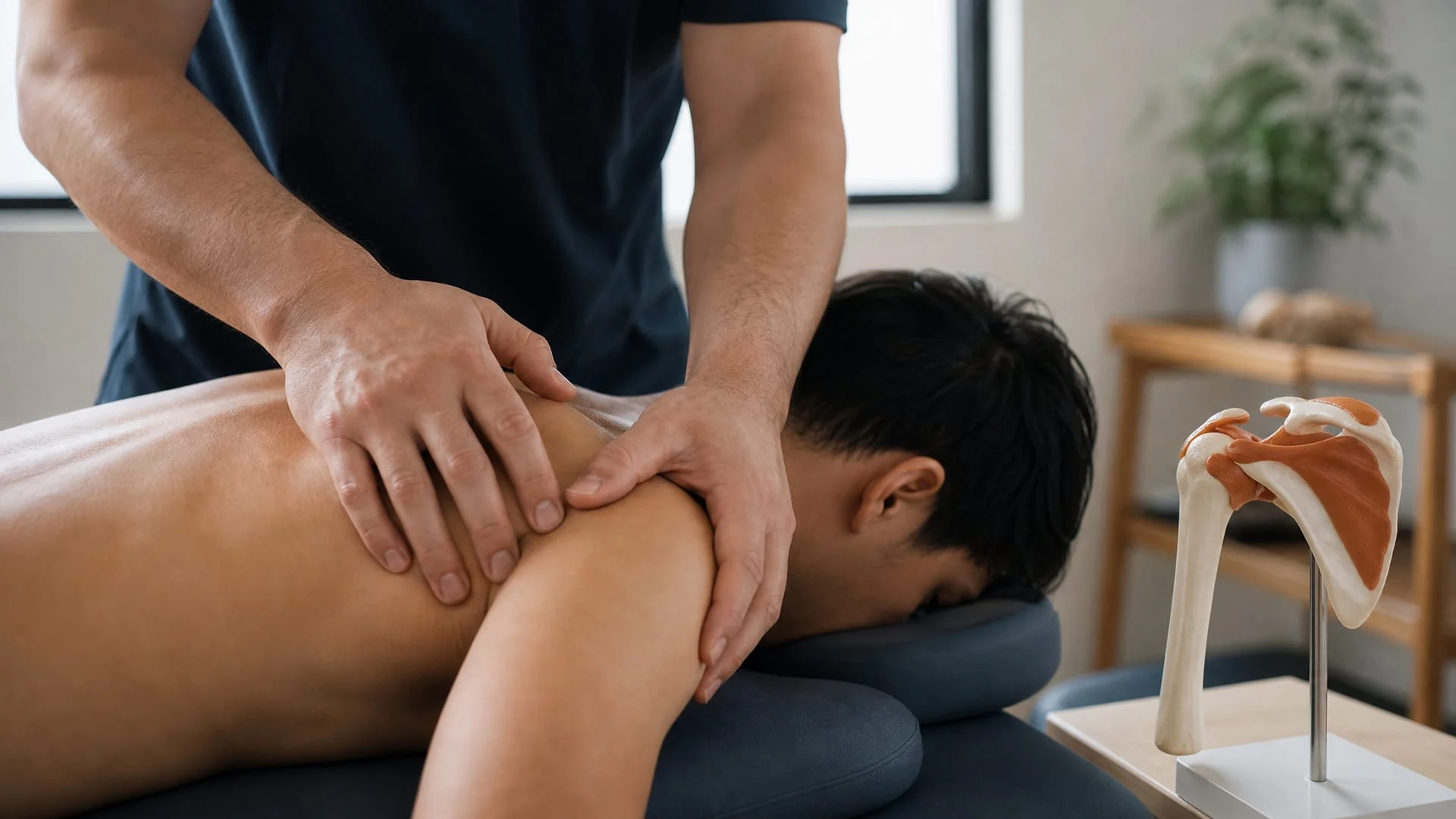
This is exactly why so many wellness clinics pair heat therapy with hands-on treatment. Combining a session with pairing therapeutic massage with heat therapy gives you both the circulation boost of the heat and the direct mechanical release that only a trained set of hands can provide.
Infrared Sauna vs. Traditional Sauna: Which Is Better for Muscle Pain Relief
This is a question worth answering plainly, without the spa trivia. The core difference is mechanism. A traditional sauna heats the air around you, and your body warms up because you’re sitting in that hot environment. An infrared sauna uses infrared light to heat your body directly, with the air around you staying noticeably cooler.
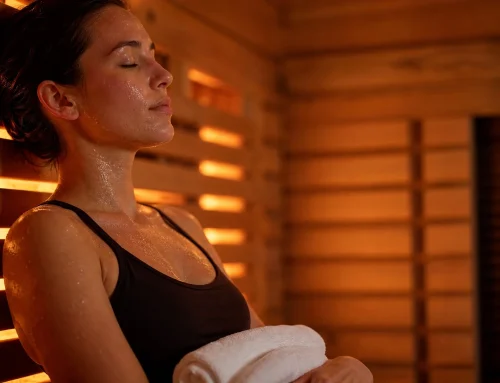
Infrared saunas typically operate at lower air temperatures than traditional saunas, often around 120-140°F versus 170-200°F, while still producing a deep sweat, since the infrared light is doing the work rather than the surrounding air.
For someone already dealing with pain, that difference matters practically. A lower air temperature usually means you can stay in longer without feeling overwhelmed by the heat itself, and many people find the experience easier on the cardiovascular system and easier to tolerate overall. If you’re trying to relax tense muscles, being able to comfortably stay in the sauna for a full session tends to matter more than the peak temperature reached.
Neither type is “wrong,” but for targeted infrared sauna pain relief, especially for people who find traditional saunas too intense or hard to sit through, infrared tends to be the more practical option.
Infrared Sauna and Muscle Recovery After Exercise or Injury
Infrared sauna muscle recovery is one of the more common reasons active people book a session. Whether you just finished a hard workout or you’re easing back into activity after a minor injury, the same circulation principle applies: more blood flow to the area generally supports faster, more comfortable recovery.
For everyday post-workout soreness, sauna use can take the edge off tightness and help you feel less locked up the next day. For light injury recovery, it can help keep surrounding muscles from tensing up defensively while the injury itself heals, though it’s not a substitute for medical guidance on anything beyond mild strain.
What to expect the first time you try it for recovery
If you’re new to using infrared sauna for recovery, don’t expect an instant, dramatic transformation. Some people feel looser the same day; others notice the real difference the next morning, when soreness that would normally have set in hard feels more manageable instead.
Listen to your body. If you’re using it after intense exercise, give yourself a few minutes to cool down first rather than heading straight into a hot session. And if something feels off, lightheaded, overly fatigued, unusually sore, that’s your cue to shorten the session or skip it that day. Recovery tools work best when you’re responsive to what your body is telling you, not rigidly following a routine regardless of how you feel.
How to Use Infrared Sauna for Pain Relief: Frequency, Timing, and Pairing with Massage
There’s no single universal formula for how often someone should use an infrared sauna for pain relief, because it depends on what you’re dealing with and how your body responds. That said, a few practical guidelines hold up well across most cases.
Sessions in the range of 20 to 30 minutes tend to be enough to get the circulation benefits without overdoing it. For general muscle tension or mild chronic discomfort, using the sauna a few times a week is a reasonable starting cadence, though some people benefit from more frequent shorter sessions instead.
The bigger question people ask is how sauna fits alongside other treatment, particularly massage.
Should you do infrared sauna before or after a massage?
For most muscle pain concerns, before tends to work better. Licensed massage therapists often recommend infrared heat before a massage session because warmed muscle tissue tends to respond more readily to deep tissue work, making adjustments feel less jarring. When muscles are already warm and more pliable, a therapist can work more efficiently, and you’re less likely to feel that sharp, guarded resistance that can come with working on cold, tight tissue.
That’s part of why combining the two is so effective. If you’re located near central Ohio, massage therapy near Pickerington for pain relief paired with a sauna session beforehand is a practical way to get more out of each visit. The same logic applies if you’re coming from the Columbus side of things, best massage options in Columbus for pain relief can be paired with infrared sauna use for a similarly compounded effect.
It’s also worth knowing that these combined sessions are often eligible for pre-tax spending. Using HSA or FSA dollars for eligible treatments can make regular sauna-and-massage visits more financially sustainable if you’re managing pain long-term.
Is Infrared Sauna Right for Your Pain? Talking to a Wellness Professional First
Sauna for chronic pain can be a genuinely useful part of a long-term routine, but it’s not automatically right for every condition or every person. Pregnancy, certain cardiovascular conditions, and some chronic illnesses call for a conversation with a healthcare provider before adding regular heat exposure into the mix. That’s not a scare tactic. It’s just responsible advice that any credible wellness resource should give you upfront.
If you’re managing ongoing pain tied to injury history or service-related strain, it’s also worth looking into broader recovery support, including chronic pain and recovery support for veterans, which addresses some of these longer-term patterns in more depth.
At Body Ache Escape, infrared sauna sessions are offered alongside therapeutic massage so clients in Pickerington, Columbus, Reynoldsburg, and Canal Winchester can pair heat therapy with hands-on bodywork for compounded relief. Founded in 2010 by licensed massage therapists Michele and Kyron, the clinic was built around the idea that real relief usually comes from combining approaches, not relying on any single treatment to do all the work.
If you’ve been pushing through tight muscles, chronic tension, or nagging soreness, you don’t have to keep guessing what will actually help. Book a consult in Pickerington and talk through what a combined infrared sauna and massage approach could look like for your specific pain.