If you’ve ever sat in a recliner and felt your whole body finally exhale, you’ve had a taste of what a zero gravity massage chair is trying to do, just with a lot more intention behind it. This isn’t about a fancy chair with buttons and vibration settings. It’s a specific body position that changes how your spine, muscles, and circulation behave before, during, and after hands-on massage work. That’s the real story behind zero gravity massage chair benefits, and it’s why we treat ours as a supporting tool rather than the main event.
What Is a Zero Gravity Massage Chair, Really?
The term “zero gravity” comes from NASA. Engineers found that when astronauts reclined with their hips and knees slightly above heart level, their bodies settled into a neutral position that put the least possible strain on the spine during launch. That same posture, it turns out, is good for people who aren’t going anywhere near space. It’s just good for backs.
A zero gravity massage chair recreates that posture on the ground. You recline back, your legs lift, and your body settles into a position where your spine isn’t fighting gravity to hold you upright. The chair’s gadgetry, rollers, heat, airbags, is secondary. What actually matters is the angle your body is in.
The Zero Gravity Position and Pain Relief Connection
Once you’re in that neutral recline, something practical happens: the discs and joints in your lower back get a break from the compressive load they carry all day while you sit or stand. Muscles that have been bracing against gravity can finally soften. That’s the whole connection between zero gravity position and pain relief. Less load, more room for muscles to let go, and a better starting point for any hands-on work that follows.
Zero Gravity Massage Chair Therapy: How It Supports Treatment Outcomes
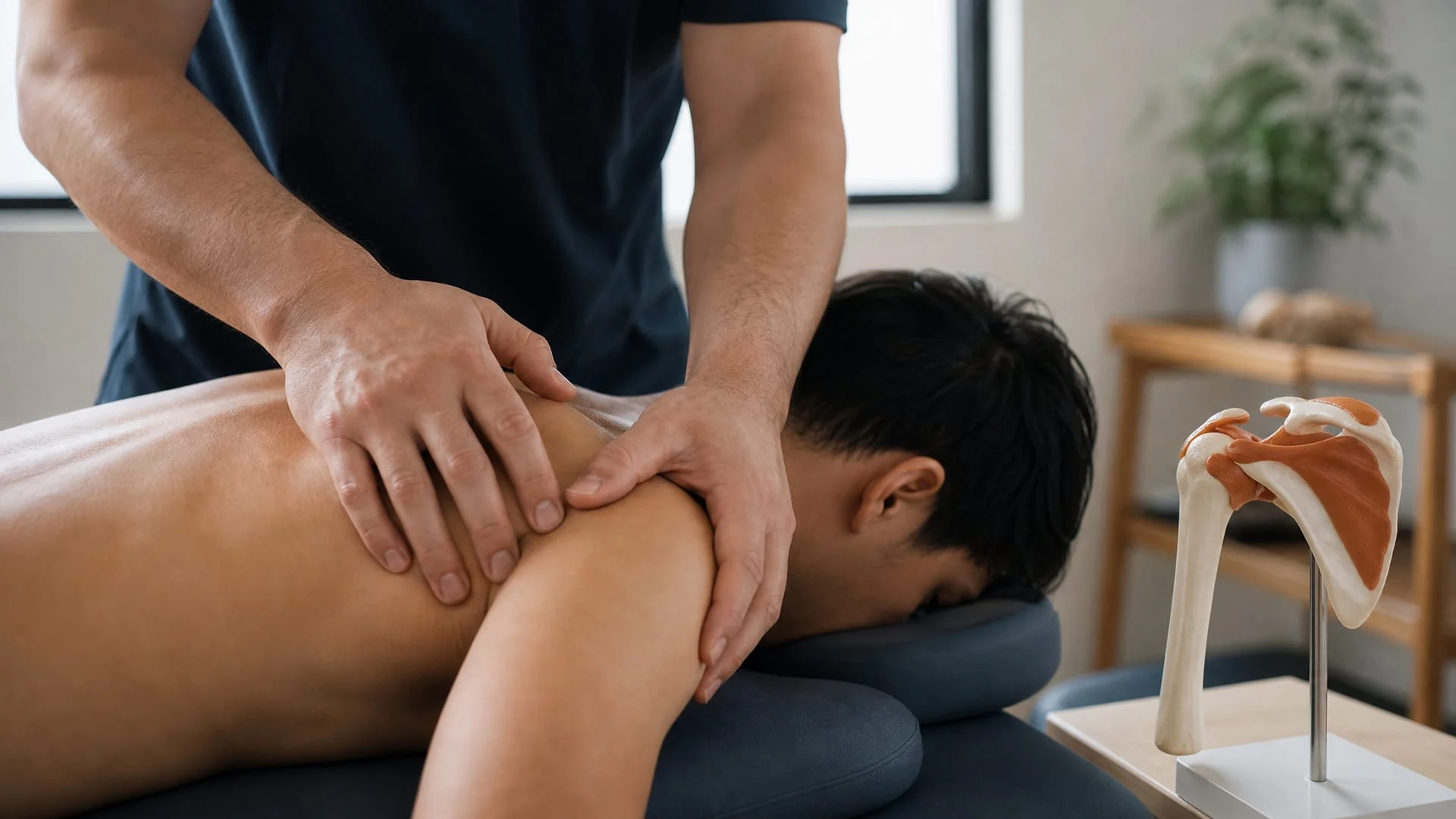
Zero gravity massage chair therapy isn’t a stand-alone treatment in our clinic. It’s a setup step. When a client reclines into that position before a session, their muscles are often already a little looser by the time a therapist puts hands on them. The therapist can work more efficiently, and more comfortably for the client.
Why Spinal Decompression Helps Before and After Manual Work
Manual therapy asks a lot of tight, guarded muscles. If someone walks in after eight hours at a desk, their lower back muscles have often been quietly bracing the whole day. Reclining in the zero gravity position for even a few minutes before manual work begins can reduce that spinal compression, so the tissue underneath isn’t fighting the therapist’s hands the entire time. Afterward, the same position gives the nervous system a chance to settle, which can help the relief from the session last longer.
Zero Gravity Chair for Back Pain and Sciatica-Type Discomfort
This is where a zero gravity chair for back pain earns its keep. Clients dealing with chronic low back pain, or the kind of sciatica-type discomfort that radiates down the leg, often carry a lot of pressure in the lumbar spine and surrounding nerves. Elevating the legs and reclining the hips above heart level takes some of that pressure off. It’s not a cure, but it’s a meaningful head start, especially for people whose pain is tied to long hours sitting at a desk or standing on a concrete floor all day.
Reclining Massage Chair Benefits vs. What a Licensed Therapist Provides
It’s worth being honest about what a chair can and can’t do. The reclining massage chair benefits we’ve described, decompression, better circulation, muscle relaxation, are real and worth having. But they’re not a substitute for the judgment and hands of a licensed massage therapist who can feel exactly where you’re guarding, adjust pressure in real time, and change technique based on what your tissue tells them.
At Body Ache Escape, our zero gravity recliner isn’t the star of the show. It’s an amenity that supports the hands-on therapeutic work Michele, Kyron, and our licensed massage therapists actually do.
Massage Chair vs. Massage Therapist: Where Each One Fits
Think of it this way: the chair sets the stage, the therapist does the actual work. A chair can’t assess why your right shoulder is higher than your left, or notice that your hip flexors are pulling your pelvis out of alignment. A therapist can. The chair’s job is to get your body into a more receptive state before that clinical work begins, and to help it settle afterward.
What to Expect on Your First Visit
If you’re coming in for the first time, expect a conversation before anything else. We’ll ask where it hurts, how long it’s been going on, and what makes it better or worse. That intake shapes the whole plan for your session, including whether the zero gravity chair fits into it at all.
Customized Care Based on Your Body and Pain History
Clients who come in for low back pain or after a long shift on their feet often ask to start or end their session reclined in the zero gravity chair, to help their spine decompress before or after manual work. For someone else, say, a client managing shoulder tension from a repetitive desk job, the chair might not be part of the plan at all. It depends on your body, your pain history, and what your therapist finds once they start working. Nothing about our approach is one-size-fits-all, including how, or whether, the chair gets used.
Who Benefits Most from Zero Gravity Positioning
Not everyone needs the same thing, but a few groups tend to notice the difference right away.
Desk Workers, Pregnancy-Related Discomfort, and Post-Workout Recovery
People with desk jobs and long commutes are a big one. Hours of sitting compress the lumbar spine in ways that build up quietly over weeks and months. Reclining into a neutral, elevated position gives that spine a break it rarely gets otherwise.
Clients in later pregnancy often deal with a lot of added strain on the lower back and hips. Every pregnancy is different, and we always work within what’s appropriate and comfortable, but gentle reclining positions can offer some relief from that extra load, especially alongside skilled manual work.
Active adults recovering from workouts or physical jobs tend to like it too. After a hard training session or a physically demanding shift, reclining with legs elevated can help with circulation and give tired muscles a chance to reset before or after a massage.
Using HSA/FSA and Booking Your Session in Pickerington
We accept HSA and FSA for eligible massage therapy services, so clients can use pre-tax dollars toward the pain-relief care that includes zero gravity positioning as part of the visit. The practical, physiology-driven benefits we’ve talked about here don’t have to come out of pocket the way a spa amenity would.
We’re based in Pickerington and serve clients throughout Columbus, Reynoldsburg, and Canal Winchester, Ohio. If you’re dealing with chronic low back pain, sciatica-type discomfort, or just the accumulated strain of sitting at a desk all day, you don’t have to keep pushing through it. Book a first session with us and let a licensed therapist build a plan around your body, with the zero gravity chair playing whatever supporting role actually makes sense for you.