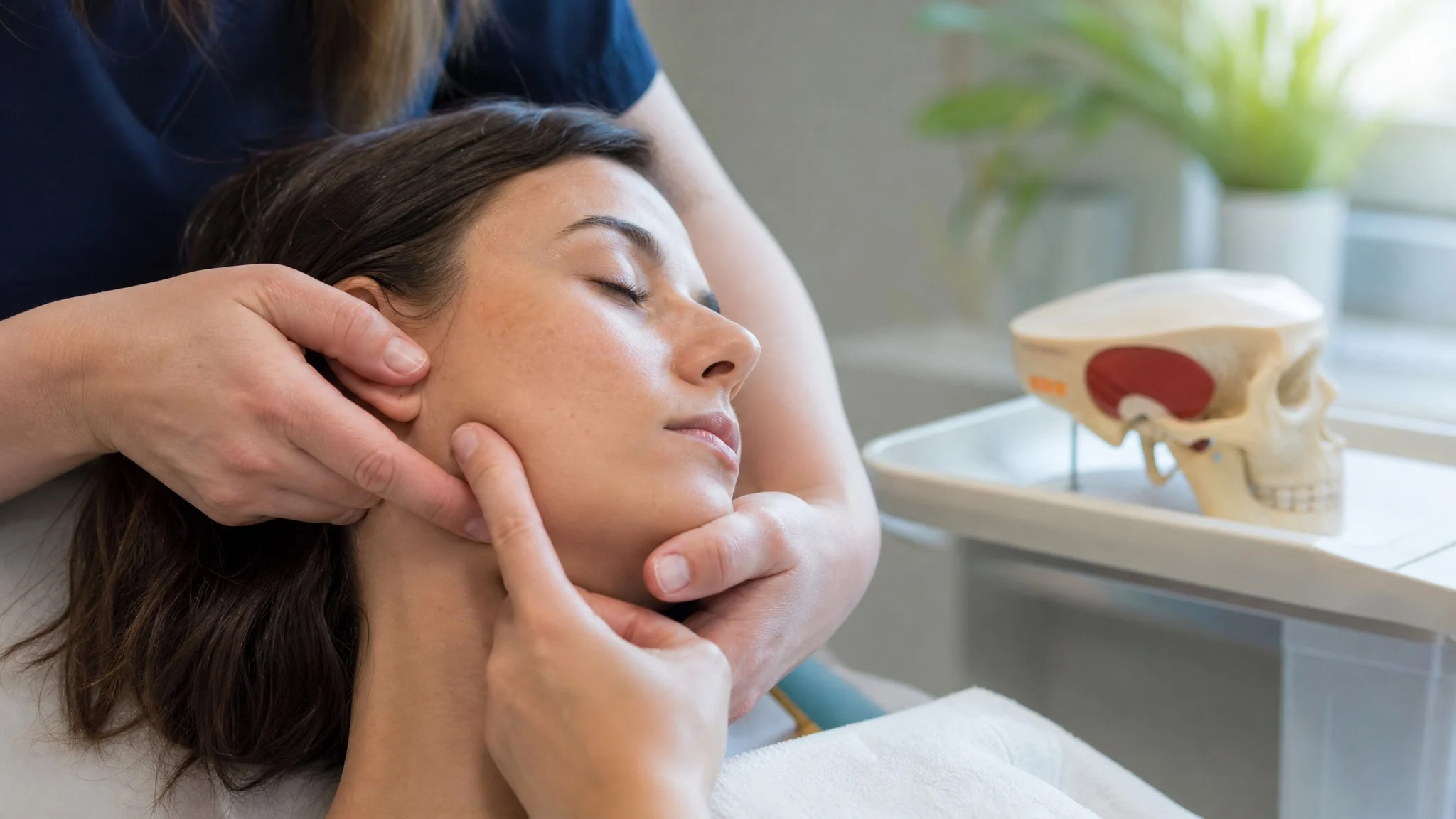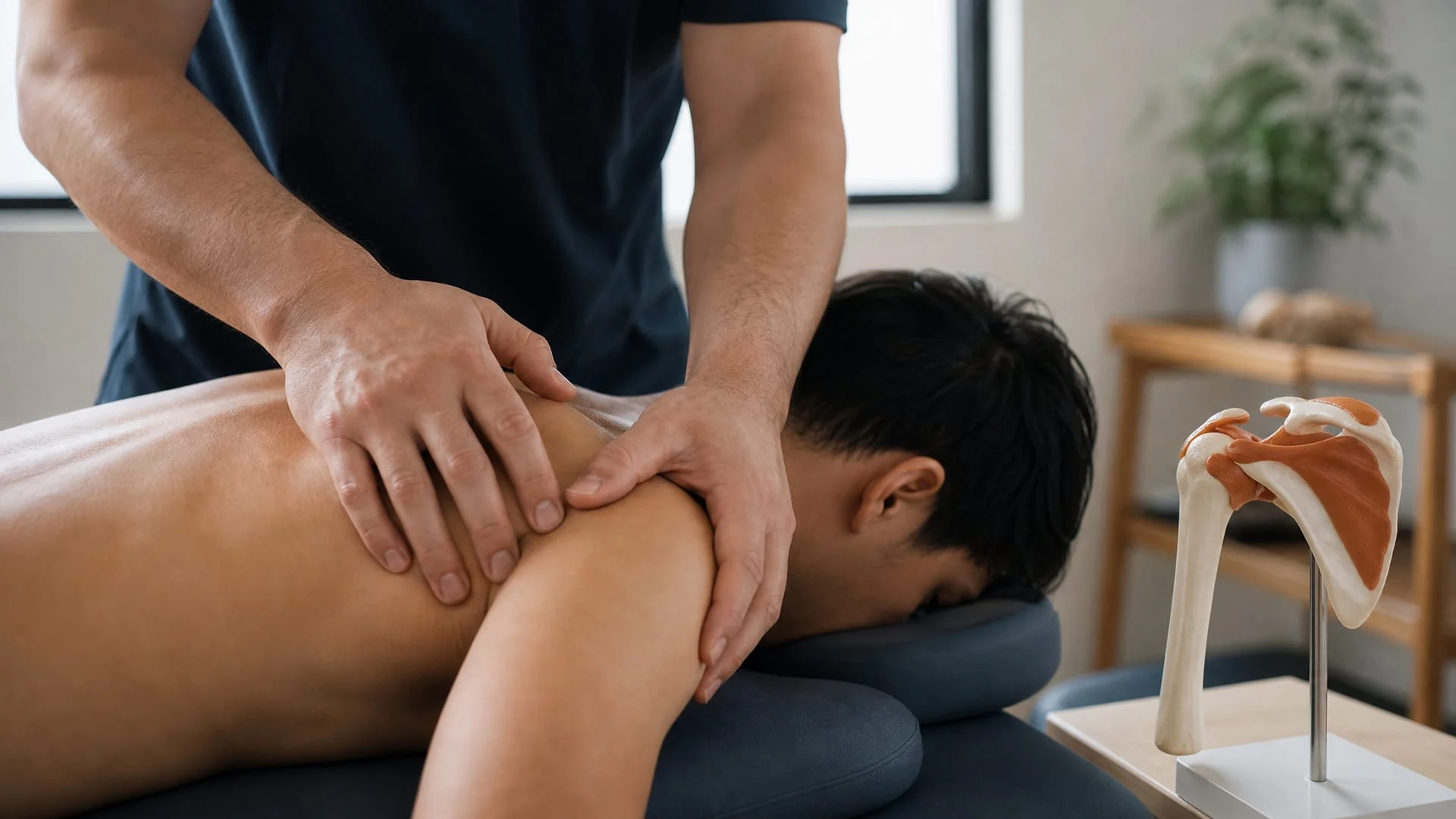
If you’ve typed “reflexology spa near me” into your phone at 11 p.m. because your feet ache from a ten-hour shift, you’re not alone. You also deserve a straight answer, not a spa brochure. Reflexology can genuinely help with stress, circulation, and tired feet. It’s not a cure for a diagnosed foot condition, and it’s not the same thing as your grandmother’s foot rub. Let’s sort out what it actually is, how to pick a place that does it well, and when you need something more than pressure points.
What Reflexology Actually Is (and Isn’t)
Reflexology is a hands-on technique that applies focused pressure to specific points on the feet, hands, or ears. Practitioners work from maps that link those points to organs and systems elsewhere in the body. The idea is that stimulating a spot on the foot can support relaxation or function in a corresponding area, like the lower back or the digestive system.
The theory behind pressure points and organ “zones”
The zone theory behind reflexology divides the body into ten longitudinal zones running from the toes to the head. Practitioners believe that pressing a point in one zone influences tissue elsewhere in that same zone. Mainstream medical research hasn’t backed this up the way it has, say, physical therapy protocols. Licensed massage therapists generally describe reflexology as a complementary comfort measure, helpful for stress and circulation, rather than a stand-in for treating a diagnosed musculoskeletal or medical condition. That doesn’t make it useless. It just means you should walk in expecting stress relief and better circulation, not a diagnosis or a cure.
Reflexology vs. a regular foot massage
A regular foot massage is broad and relaxing. It rubs, kneads, and warms the whole foot without following a specific map. Reflexology is more targeted. A trained practitioner applies firm, precise pressure to particular points in a set sequence, often working the same points on both feet. Both can feel wonderful. Only one is built around a specific theory of the body, and only one requires real training to do well.
How to Evaluate a Reflexology Spa Near Me
Not every place advertising reflexology actually practices it with skill. Some spas use the word loosely to describe a nice foot rub with candles and lo-fi music playing in the background. That’s fine if all you want is a relaxing hour. It’s a problem if you’re hoping for real relief from tension or fatigue.
Credentials and licensing to check for
Look for a licensed massage therapist, not just a “wellness technician” or an aesthetician moonlighting on feet. In Ohio, massage therapists need a state license, which means real anatomy training and supervised practice hours. Ask directly whether the person working on you is a licensed massage therapist and how much of their training covered pressure-point or reflexology-style work. A confident, specific answer is a good sign. A vague one isn’t.
Signs a spa prioritizes ambiance over real technique
Beautiful lighting and a heated massage chair don’t tell you anything about technique. A calm, intentionally designed treatment room matters less than whether the person working on your feet actually understands anatomy and pressure tolerance. That’s the difference between a relaxing hour and real relief. Watch for red flags: menus that list reflexology alongside a dozen unrelated add-ons with no mention of therapist credentials, reviews that only mention the decor, or staff who can’t explain what they’re actually pressing and why.
Who Reflexology-Style Work Helps Most
Reflexology-style work earns its keep with a specific set of complaints. It’s not a fix-all, and it shouldn’t be marketed that way.
Stress, sleep, and foot fatigue
If you’re wound up from work stress, sleeping poorly, or dealing with feet that ache after a long day on concrete floors, targeted foot pressure work can genuinely help you unwind. It slows your nervous system down and gives your feet focused attention they rarely get. Someone dealing with constant foot fatigue from standing all day at work often responds well to targeted pressure-point work paired with a broader deep tissue session, rather than reflexology alone. The combination addresses both the local fatigue in the feet and the tension that’s built up in the calves, hips, and lower back from compensating all day.
When plantar fasciitis or chronic pain needs more than reflexology
If you’ve been diagnosed with plantar fasciitis, a chronic pain condition, or a musculoskeletal injury, reflexology alone isn’t going to solve it. Those conditions usually need a treatment plan that includes therapeutic massage, targeted stretching, and sometimes physical therapy or medical evaluation. A therapeutic massage in Pickerington that combines deep tissue work with foot-focused pressure techniques will typically do more for chronic foot or heel pain than a reflexology-only session. Pregnancy is another case where caution matters. Certain pressure points are traditionally avoided during pregnancy, so if you’re pregnant, tell your practitioner before the session starts and let them adjust the approach.
What to Expect During a Reflexology-Style Massage Session
A first visit shouldn’t feel mysterious or clinical. It should feel like someone is actually paying attention to your body.
A typical first-visit walkthrough
Expect a short conversation before anything else. A good therapist asks about pain points, stress levels, sleep, any medical conditions, and what you’re hoping to get out of the session. Then you’ll settle into a quiet, comfortable room while they work your feet, sometimes both, sometimes focusing more time on one side if you mention specific discomfort. Pressure should be firm but communicated clearly; you should always be able to say “lighter” or “that’s the spot” and have the therapist actually respond. Sessions typically run somewhere between thirty minutes and an hour, depending on whether it’s a standalone appointment or part of a longer massage.
How it’s often combined with deep tissue or infrared sauna
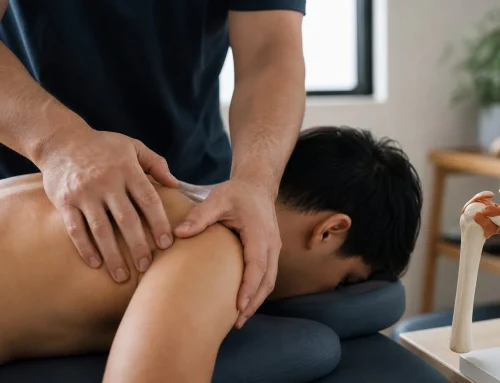
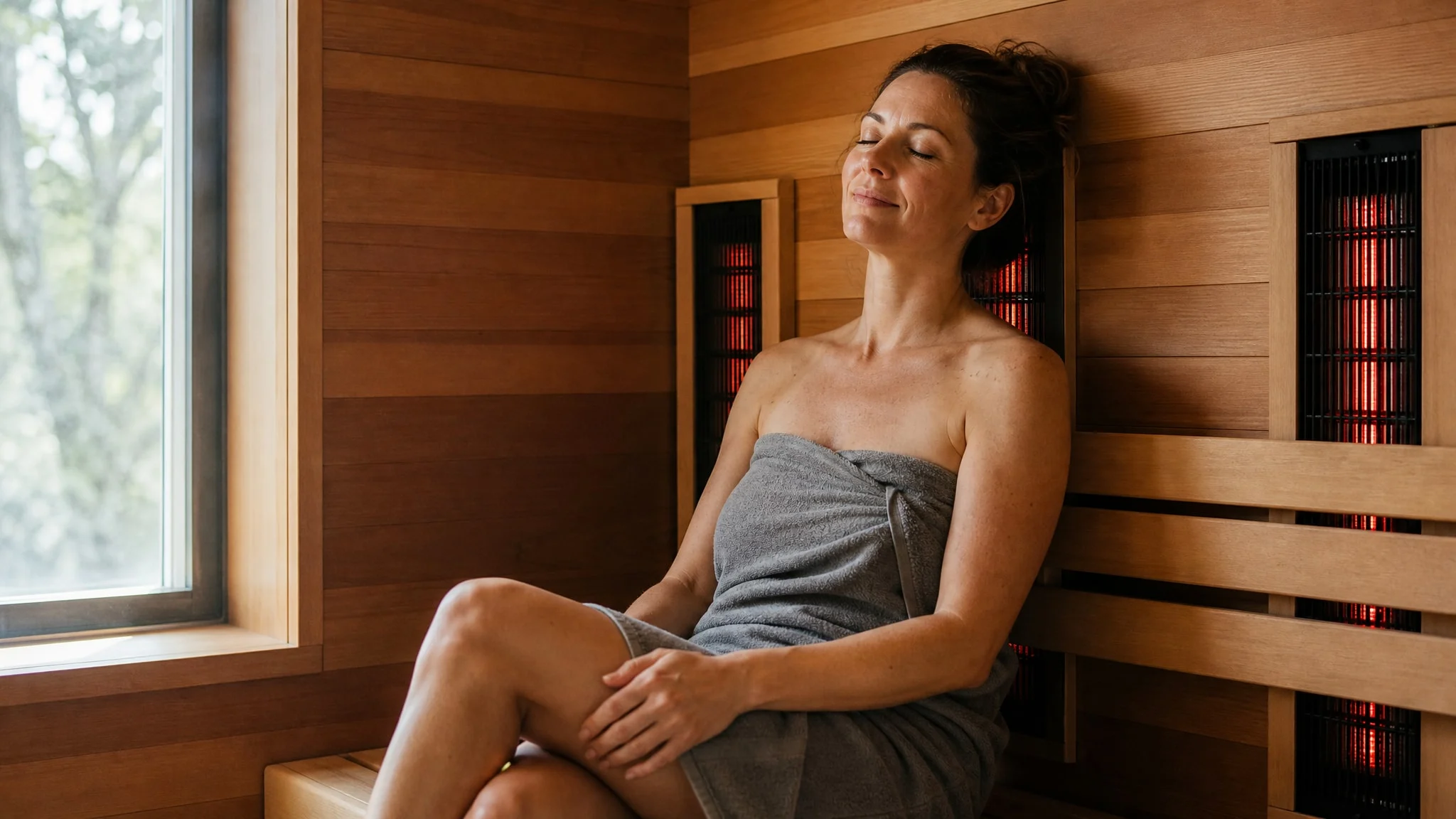
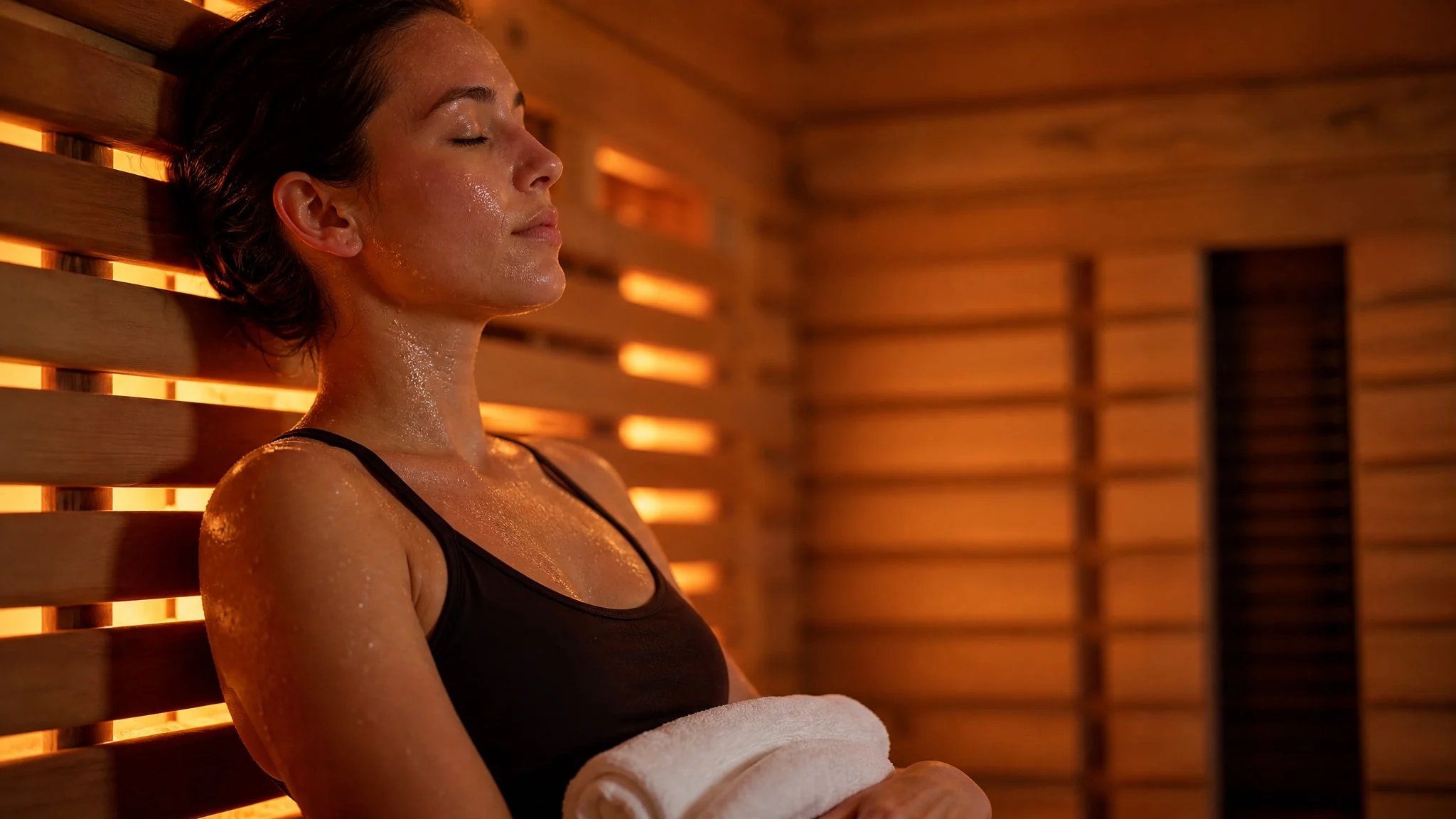
Reflexology-style pressure work rarely stands alone in a well-rounded plan. It’s frequently paired with deep tissue massage to address tension in the calves and lower legs that feeds into foot fatigue, or added onto a session that includes infrared sauna time to help muscles relax before hands-on work begins. At Body Ache Escape, every session is built around your specific pain points and goals, not a one-size-fits-all spa menu, because Michele and Kyron trained as licensed massage therapists first, and spa-style extras came second. That order matters. It means the foot work you get is grounded in actual technique, not just a pleasant add-on to fill time.
Finding the Right Fit in Pickerington, Columbus, and Reynoldsburg
If you’re searching from Pickerington, Columbus, Reynoldsburg, or Canal Winchester, you have real options nearby. “Nearby” shouldn’t be your only filter, though.
Questions to ask before booking
Before you book, ask a few direct questions: Is the person working on me a licensed massage therapist? What’s included in a reflexology-style session versus a full-body massage? Can foot-focused work be combined with deep tissue if I’m also dealing with back or leg tension? If you’re weighing a few options, it helps to compare against massage therapy near Pickerington for pain relief or look at the broader best massage options in Columbus to see how foot-focused work fits into a bigger pain-relief plan. If you’re still deciding between a pure relaxation spa and something more outcome-focused, a day spa guide for Columbus can help you weigh ambiance against actual technique. Some people also like adding relaxation tools between sessions, like a zero gravity massage chair, though that’s a supplement to hands-on work, not a replacement for it.
Why HSA/FSA coverage matters for ongoing care
If foot pain or chronic tension is a recurring issue rather than a one-time treat-yourself visit, cost adds up fast. That’s where HSA and FSA coverage becomes genuinely useful. Body Ache Escape accepts HSA and FSA for eligible treatments, which matters if you’re weighing a one-off spa visit against ongoing, outcome-focused care. Using pre-tax dollars for using HSA funds for massage therapy can make regular sessions far more sustainable than paying out of pocket every time, especially if you’re managing something like standing-related foot fatigue or chronic tension that needs consistent attention rather than a single visit.
So the next time you search for a reflexology spa near you, look past the candles and the playlist. Ask about training, ask how foot work fits into your broader pain picture, and book with people who treat your feet as part of a whole body, not a stand-alone spa gimmick. If that’s what you’re after in Pickerington, Columbus, or Reynoldsburg, Body Ache Escape builds sessions around your actual pain points, foot-focused pressure work included, so you leave feeling better, not just pampered.