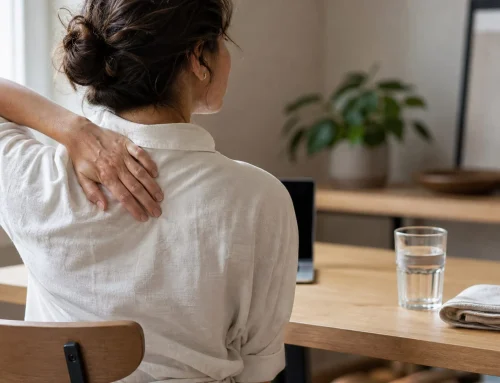
If you’ve typed “massage in Lancaster, Ohio” into your phone at 10pm because your shoulder won’t stop screaming, you’re not alone. Lancaster has plenty of nail salons and day spas offering an add-on rubdown, but if you’re dealing with chronic pain, a stiff neck that won’t quit, or an old injury that flares up every winter, the options thin out fast. This guide walks through what real therapeutic massage looks like, what to expect from your first visit, and why many Fairfield County residents end up driving toward Pickerington for care that actually addresses pain instead of masking it for an hour.
Why People in Lancaster, Ohio Are Searching for Massage Therapy
Lancaster has grown steadily over the past decade, and with that growth comes the same aches and strains you’d find in any working community: desk jobs, manufacturing shifts, farm work, the general wear of daily life. What Lancaster doesn’t have is a concentration of therapeutic massage practices built around pain relief specifically. Most local search results turn up spa-style services focused on relaxation. That’s fine if relaxation is all you need, but it isn’t the same thing as treatment.
That gap sends a fair number of Lancaster residents driving toward the Columbus area, where there’s a denser cluster of licensed therapists who treat massage as clinical care rather than a spa amenity.
Common Reasons Lancaster Residents Seek Pain Relief
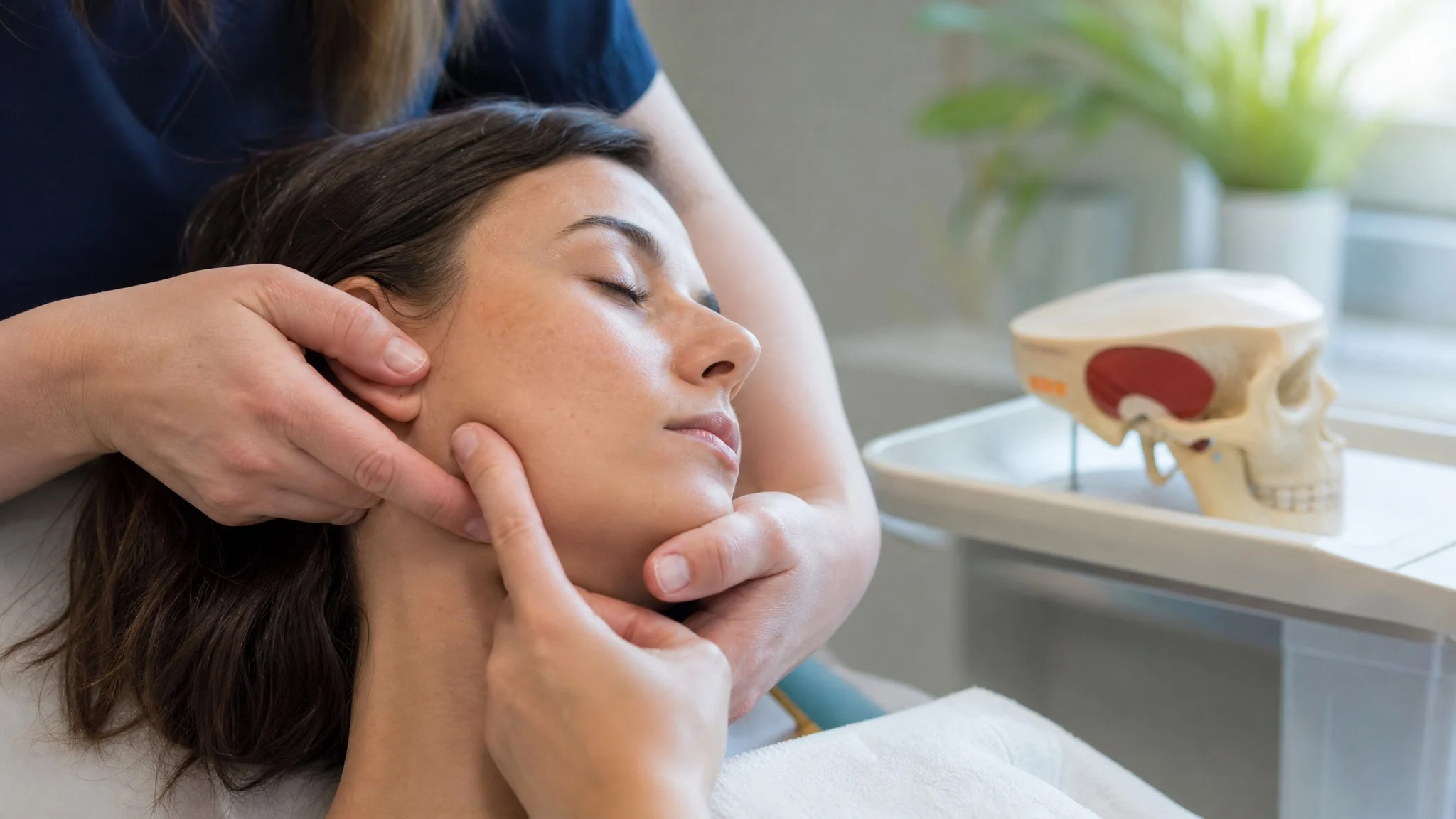
People searching for massage in Lancaster, Ohio usually fall into a few categories. Some are dealing with chronic conditions like lower back pain, sciatica, or tension headaches that flare up week after week. Others have an acute issue: a pulled muscle from yard work, a stiff neck from sleeping wrong, soreness from a new workout routine. And a good number are just stressed, carrying tension in their shoulders and jaw that’s built up over months of work and life pressure. Each of these calls for a different approach. That’s why the type of massage you book matters as much as the fact that you booked one.
What Kind of Massage in Lancaster, Ohio Actually Helps With Pain
Not all massage is designed to relieve pain, and that surprises a lot of first-time clients. A lot of spa menus are built around the relaxation experience: soft lighting, light pressure, a pleasant hour. That’s a fine goal, but it won’t touch a knot that’s been sitting in your trapezius for six months.
Deep Tissue vs. Relaxation Massage
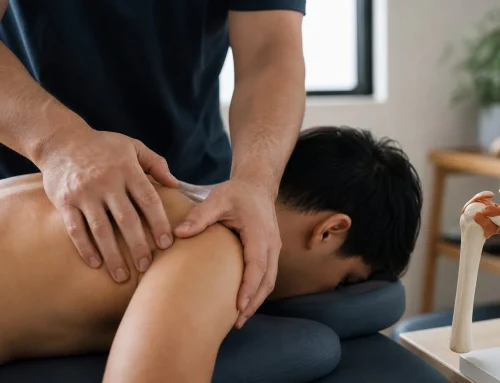
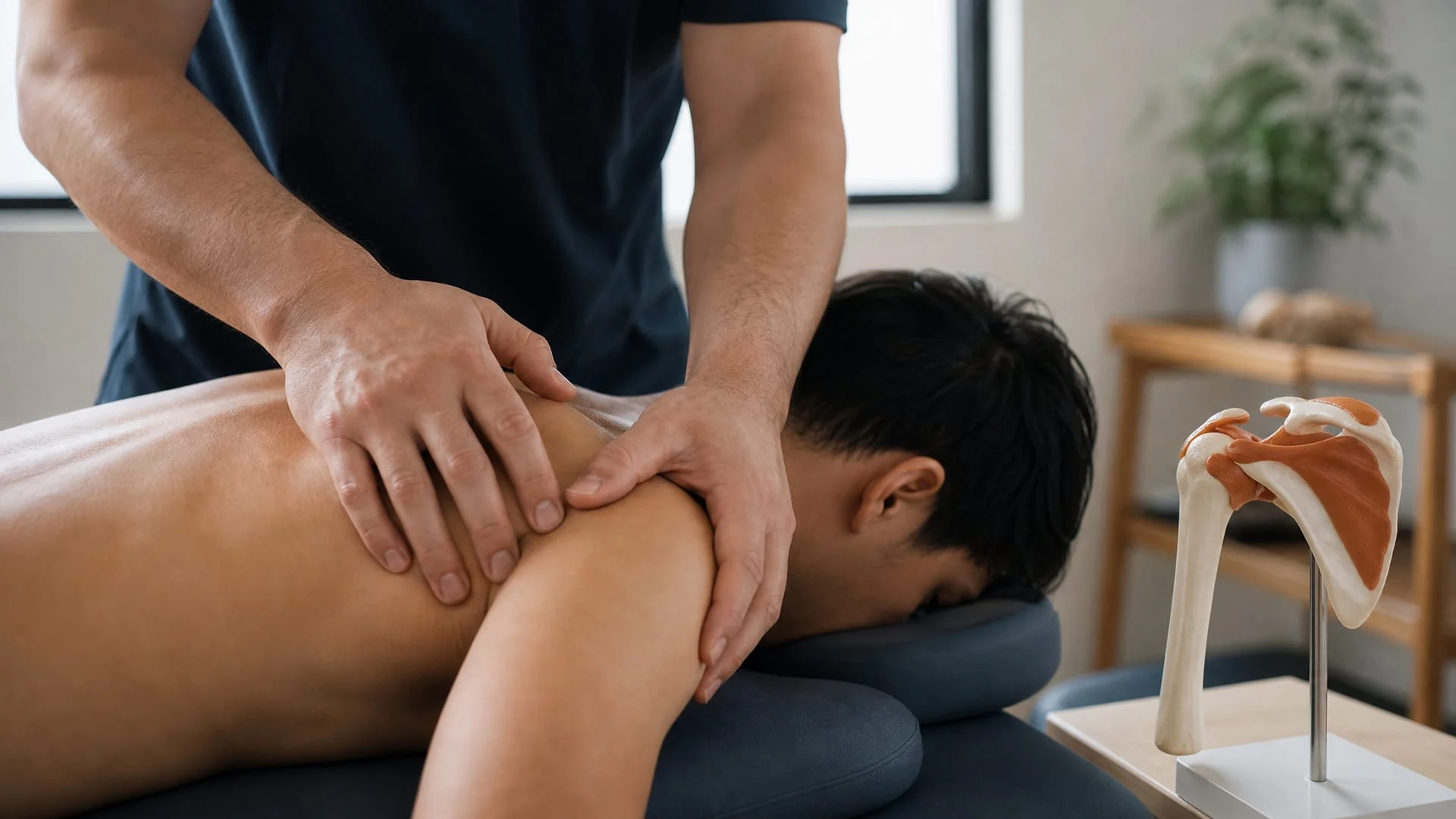
Relaxation massage, often called Swedish massage, uses lighter, gliding pressure meant to calm the nervous system and ease general tension. It feels good, and it has real value for stress management. Deep tissue massage is different. It targets the deeper layers of muscle and connective tissue, working through adhesions and chronic tightness that surface-level pressure never reaches. It can be uncomfortable in the moment, especially on a first visit, but it’s the approach most likely to produce lasting relief for genuine pain complaints.
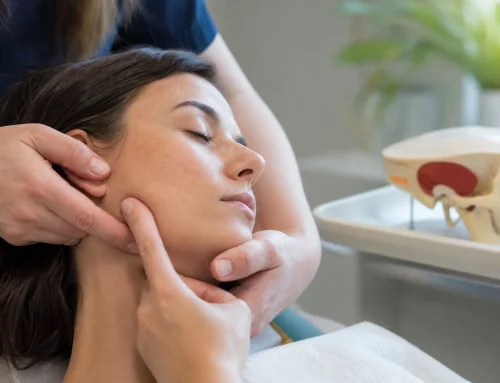
A clinician-minded therapist usually starts with an assessment, asking about your pain history, your posture, your activity level, before deciding how much pressure and which techniques to use. That’s a meaningfully different experience from a generic spa-style rubdown, and it’s worth asking about when you call to book.
Prenatal and Pregnancy Massage Needs
Pregnancy brings its own aches: lower back strain, hip discomfort, swelling, and tension from carrying extra weight differently every trimester. Prenatal massage uses techniques and positioning designed specifically for pregnant bodies, which is different from simply going easier during a standard massage. If you’re expecting and searching for relief, confirm the therapist has specific training in prenatal work rather than assuming any massage will do.
What to Expect on Your First Visit for Therapeutic Massage
First appointments make people nervous, and that’s completely normal. You might not know what to say, how much to say, or whether it’s okay to speak up if something feels off.
Expect an intake conversation before anything else. A good therapist will ask where it hurts, how long it’s been going on, what makes it worse, and what you’ve already tried. This is also your chance to mention old injuries, surgeries, or areas you’d rather they avoid.
During the session, you should feel comfortable saying if the pressure is too much or too little. Therapeutic massage can be intense in problem areas, but it shouldn’t be unbearable. Afterward, some soreness is normal, especially after deep tissue work, similar to how you might feel the day after a hard workout. Drinking water and moving gently in the following day or two usually helps that settle.
If you want a more detailed walkthrough before your appointment, there’s a dedicated guide covering what to expect at your first massage appointment that goes step by step through the process.
Finding a Massage Therapist Near Lancaster, Ohio Worth the Drive
Since Lancaster itself has limited therapeutic options, the practical question becomes: how far are you willing to drive for care that actually works? For a lot of residents, the answer is Pickerington, roughly a 30 to 40 minute drive depending on traffic and which part of Lancaster you’re coming from. That’s not a small ask, but for chronic pain that hasn’t responded to anything else, it’s often worth it.
Body Ache Escape was founded in June 2010 by licensed massage therapists Michele and Kyron, who built the practice around a results-driven, clinician-minded approach to pain relief rather than a spa-menu model. Many clients driving in from Fairfield County towns like Lancaster want the same thing: someone who listens to where it hurts and treats it like a real problem to solve, not just an hour of pampering. If you’d like to see how the drive plays out for someone in a similar situation, it’s worth looking at how nearby Pataskala residents find therapeutic relief, the logistics are comparable to what a Lancaster resident would face.
For a closer look at what’s available in the Pickerington hub itself, you can check out therapeutic massage services in Pickerington.
Licensed Therapists vs. Unlicensed Spa Services
Ohio requires massage therapists to be licensed through the state, which means they’ve completed accredited training and passed a licensing exam. Licensed therapists are trained in anatomy, pathology, and technique in a way that unlicensed spa staff typically aren’t. If pain relief is your goal, ask directly whether the person treating you is a licensed massage therapist. It’s a fair question, and any legitimate practice will answer it without hesitation.
Using HSA or FSA to Cover Your Visit
Cost is a real factor when you’re weighing regular sessions against a 30-to-40-minute drive. Body Ache Escape accepts HSA and FSA for eligible massage treatments, which matters if you’re trying to make ongoing therapeutic massage fit into a household budget rather than treating it as an occasional splurge. If you’re not sure how that works or whether your plan qualifies, there’s more detail on using your HSA for massage therapy.
Complementary Therapies Worth Pairing With Massage
Massage doesn’t have to be the only tool in your recovery routine. A lot of clients pair it with other therapies to stretch the relief further between appointments, especially if pain tends to creep back within a week or two.
Infrared Sauna and Zero Gravity Chair Add-Ons
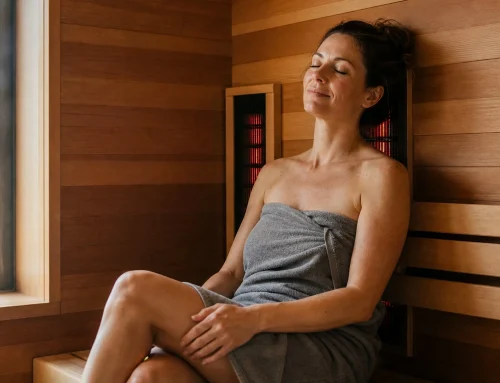
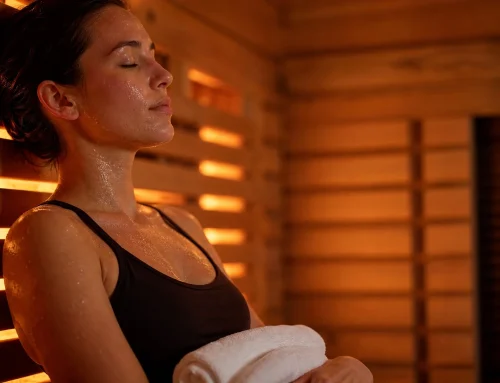
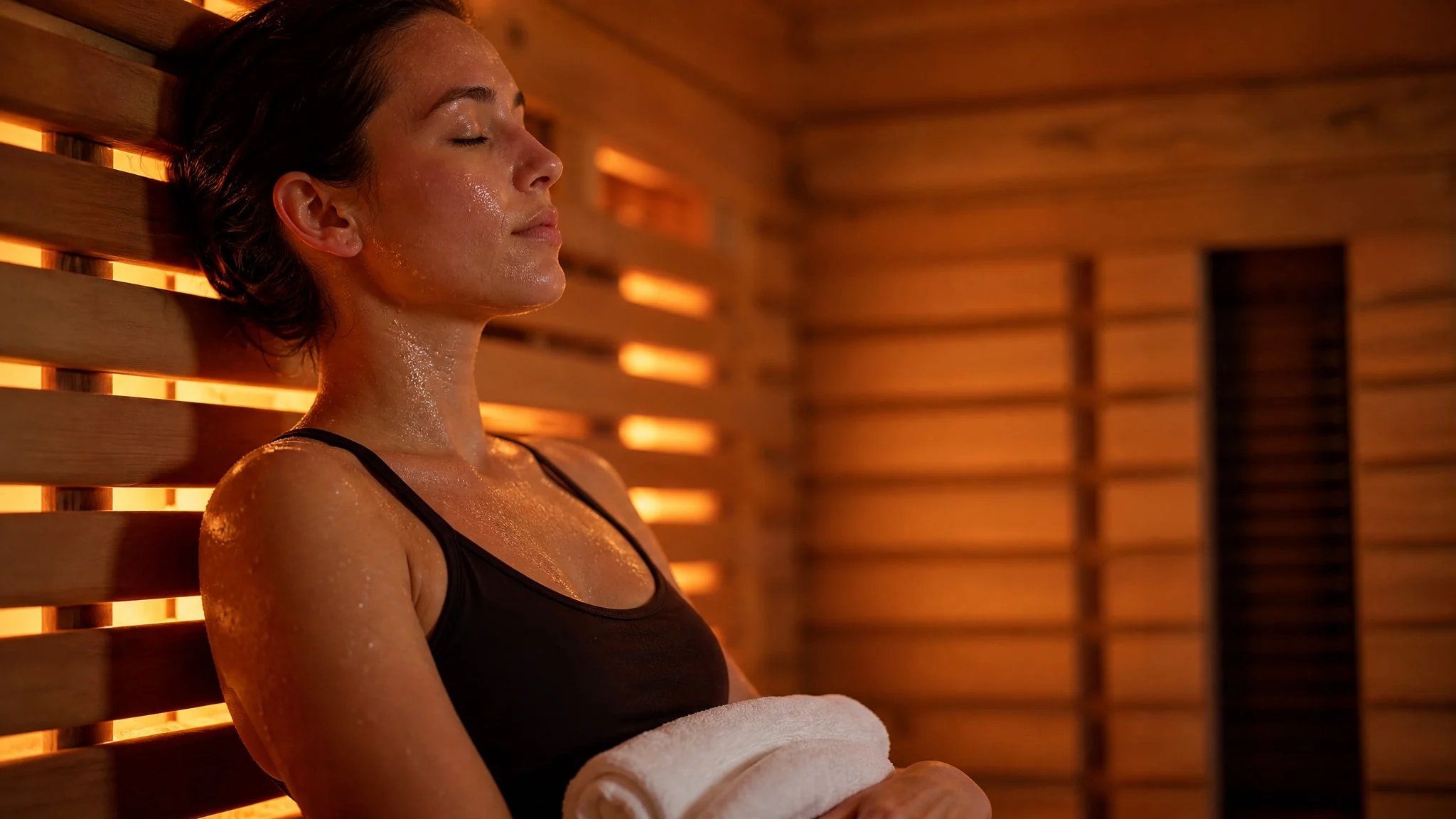
Infrared sauna sessions use heat to increase blood flow and help muscles relax, which can make the effects of a massage last longer, particularly for chronic tension. You can read more about the infrared sauna benefits for muscle pain if you’re curious how the heat therapy complements bodywork.
Zero gravity massage chairs are another common add-on. They take pressure off the spine by adjusting your body position, which can be a nice way to decompress before or after a session. There’s a fuller explanation of the benefits of a zero gravity massage chair if you want to understand how it fits into a recovery routine. Pairing a massage with infrared sauna time or a session in the zero gravity chair is a common way clients extend the relief between visits, rather than waiting for the next appointment to reset everything.
How Often Should You Get a Massage for Lasting Relief
There’s no single right answer here, and the honest response depends on what you’re dealing with. If you have chronic pain, long-standing back issues, recurring headaches, or a condition like fibromyalgia, more frequent sessions, often every one to two weeks, tend to produce better cumulative results than sporadic visits. Consistency helps break the cycle of tension rebuilding before your body fully recovers.
If you’re managing an acute injury, like a recent muscle strain, your therapist may recommend closer-together sessions for a short stretch, then spacing them out as you heal. And if you’re mostly using massage for stress management rather than a specific pain complaint, a monthly rhythm is often enough to keep tension from accumulating.
Talk with your therapist honestly about what you’re feeling and let that conversation guide the schedule, rather than guessing on your own. Whatever your situation, if you’re in Lancaster and tired of pushing through pain that isn’t improving on its own, massage therapy options near Pickerington are worth the short drive. Booking a session at Body Ache Escape means working with licensed therapists who treat your pain as something worth solving, not just a line item on a spa menu.