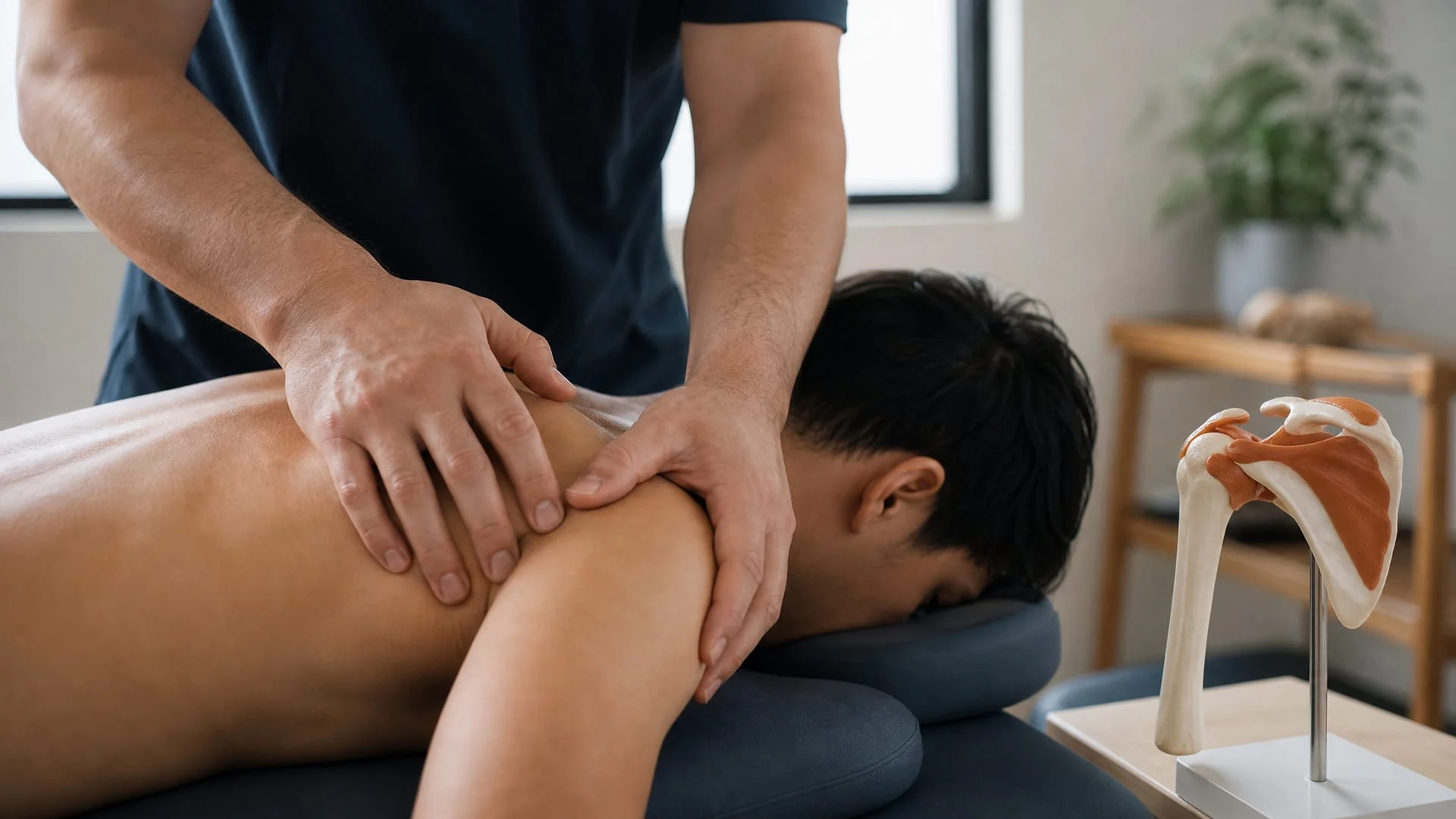
You booked the appointment. Maybe you’ve been meaning to for months. And now that it’s on the calendar, a small wave of “wait, what do I actually do here?” is setting in. That’s normal, and it’s exactly what this walkthrough is for, an honest, first-person look at what to expect at your first massage appointment, from someone who’s watched hundreds of first-timers walk through our door in Pickerington.
Why Your First Massage Feels Nerve-Wracking (and Why That’s Normal)
There’s a specific kind of awkwardness that comes with letting a stranger help with your pain. Will I have to talk the whole time? What if it hurts? What if I fall asleep and make a weird noise? These aren’t silly questions. They’re the actual thoughts we hear from clients every week, and naming them out loud usually takes half the pressure off.
Body Ache Escape was founded in June 2010 by licensed massage therapists Michele and Kyron, built as a clinician-minded space for people managing real, ongoing pain, not a spa focused on ambiance. That distinction matters here. You’re not walking into a room of candles and pan flute music where you’re expected to know the etiquette. You’re walking into a treatment space where the goal is your body feeling and moving better, and where questions are expected, not intrusive.
Common massage anxiety tips from clients we hear every week
The worries we hear most often: nervousness about undressing, uncertainty about how much pressure is “normal,” worry about talking too much or too little, and concern about being judged for tension, scars, or body type. None of that is on the table here. A licensed therapist’s job is to read your body, not judge it. If nerves are the only thing standing between you and booking, know that most of that anxiety dissolves within the first five minutes of the consultation. At that point, it’s just a conversation about your pain, not a performance.
Before You Arrive: How to Prepare for a Massage
Preparing for a massage isn’t complicated, but a few small choices make the session more effective.
Drink water before you come in, and try not to arrive starving or straight after a heavy meal. Give yourself a few extra minutes in the parking lot instead of rushing in from traffic. A rushed nervous system doesn’t relax as easily on the table. Arriving 10-15 minutes early also gives you time to fill out paperwork without feeling hurried.
What to wear and eat
Wear whatever’s comfortable to travel in; you’ll change out of it in private once you’re in the treatment room. Avoid a heavy meal right before your session, but don’t skip eating entirely either. Low blood sugar and deep tissue work don’t mix well. Skip caffeine overload if you’re already anxious, since it can amplify jitters that have nothing to do with the massage itself.
The massage consultation intake form, explained
Every first visit includes a massage consultation intake form, and it’s not paperwork for paperwork’s sake. It asks about your pain history, injuries, surgeries, medications, and what you’re hoping this session will actually do for you. Every first visit starts with a conversation about your specific pain points and goals, and the intake form guides how the session gets customized to your body that day. Think of it less as a legal formality and more as the roadmap your therapist uses so the hour actually targets what’s bothering you, instead of guessing.
What Happens During a Massage: Your First Session Step by Step
Here’s the actual sequence, no mystery involved.
You’ll check in, finish your intake form if you haven’t already, and then sit down with your therapist for a few minutes before you ever get on the table. From there you’re shown to the treatment room and given privacy to undress to your comfort level and get under the sheet. The therapist knocks, confirms you’re settled, and the session begins.
The consultation conversation with your massage therapist
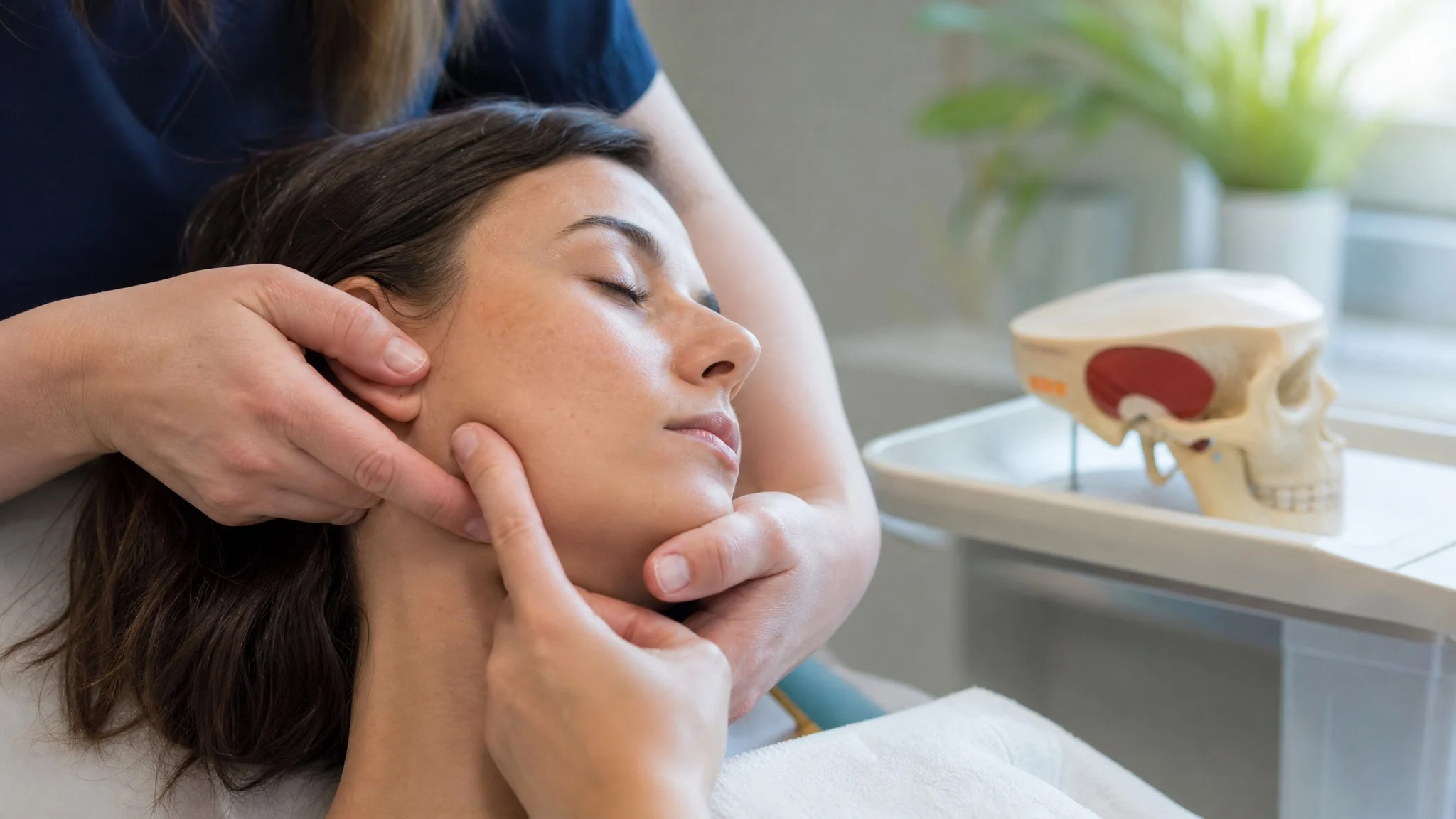
This part matters more than people expect. Your massage therapist will ask where it hurts, when it started, what makes it better or worse, and what you want out of the hour: less pain, more range of motion, or just a chance to finally relax. A client coming in for shoulder tension from desk work will get a very different session than someone recovering from a car accident or managing prenatal discomfort. The plan is built around the person, not a fixed menu, and that conversation is where it actually gets built.
Draping, pressure, and speaking up mid-session
You’ll be professionally draped throughout the massage. Only the area being worked on is uncovered at any time, and you decide how much clothing to remove beforehand. Pressure starts at a level based on what you described in the consultation, then adjusts from there. If it’s too much, say so. If it’s not enough to actually reach the tension, say that too. This is one of the few appointments where interrupting is not just allowed, it’s the whole point. You’re in control of your comfort the entire time.
Therapeutic Massage for Pain Relief: Setting Realistic Outcome Expectations
It helps to separate two things people often lump together: relaxation massage and therapeutic massage for pain relief. Both have value, but they’re not the same tool. A relaxation-focused session is built around unwinding for an hour. Therapeutic work is built around a specific pain problem, and it can feel more targeted, sometimes even a little uncomfortable in the moment, because it’s addressing tissue that’s actually been a problem for a while. You can read more about our approach to therapeutic massage in Pickerington if you want the fuller picture before your visit.
Soreness the next day, similar to how you’d feel after a good workout, is common and not a sign anything went wrong. It usually settles within a day or two.
Will one session fix chronic pain?
Honestly, usually not, and it’s worth saying plainly rather than overselling that first hour. Chronic pain that’s built up over months or years typically responds better to a series of sessions than a single visit. What one session can do is give you real information: where the tension actually lives, how your body responds to work, and whether this kind of care is a good fit for your pain going forward. If you’re deciding between providers, it can help to look at massage therapy near Pickerington for pain relief to see how a results-focused approach differs from a purely relaxation-based one.
After Your Appointment: Aftercare and Booking Your Next Visit
Once the session ends, you get dressed in private again and the therapist will usually walk you through what they found and what they’d suggest next.
Hydration and soreness care
Drink water afterward, more than you think you need. Gentle movement, a warm shower, and rest for the remainder of the day all help. If you’re sore, it’s normal, and it typically fades within a day or two. If something feels genuinely off, or the discomfort isn’t improving, that’s worth mentioning at your next visit or reaching out directly.
Using your HSA/FSA benefit
One practical thing that surprises a lot of first-timers: Body Ache Escape accepts HSA and FSA funds for eligible treatments, which lowers the barrier for first-time clients weighing whether to book. If you’ve got funds sitting in one of those accounts, this is a straightforward way to use them. There’s more detail on using your HSA for massage therapy and on FSA-eligible massage therapy in Ohio if you want to check your eligibility before booking your next appointment.
Why Pickerington Clients Choose a Therapeutic Studio Over a Spa
Located in Pickerington and serving Columbus, Reynoldsburg, and Canal Winchester, the studio is built as a calm, results-focused space rather than a luxury retreat. Clients here aren’t usually shopping for a spa day. They’re dealing with desk-job shoulders, old injuries, prenatal discomfort, or pain that’s been quietly limiting their life for longer than they’d like to admit. Some are managing pain tied to military service, and how massage therapy supports veterans with chronic pain is its own area of focus for us. Others are just tired of pushing through it.
If you’re comparing options across the wider area, it’s worth seeing how a clinician-minded approach stacks up against the best massage options in Columbus for pain relief before deciding where to book.
You don’t have to keep pushing through discomfort, and you don’t have to have this all figured out before you walk in. Bring your questions, your intake form gets filled out together if needed, and the rest is handled one step at a time. If you’ve been putting off that first appointment because the unknowns felt bigger than the discomfort, this is your sign to book it. With HSA and FSA accepted, there’s rarely a good financial reason to keep waiting.