If your skin turns red, itchy, or blotchy after trying a new product or treatment, you already know the frustration. You want the glow everyone talks about, but your skin seems to punish you for trying. So what are the best types of facials for sensitive skin? The short answer: calming, hydration-focused treatments that respect your skin barrier instead of stripping it. Here’s what that actually looks like, and how to find it.
What Makes Skin “Sensitive” in the First Place
Sensitive skin isn’t a beauty trend or a cosmetic label. It’s a barrier issue. Your skin’s outer layer is supposed to lock moisture in and keep irritants out. When that barrier is thin, damaged, or reactive, everyday products and treatments can cause stinging, redness, or breakouts that wouldn’t bother someone else’s skin.
That’s why gentle facials matter more than trendy ones. A treatment that works beautifully for one person can leave another person red and uncomfortable for days. Understanding your own skin’s triggers is the first step to picking a facial that actually helps.
Common triggers: redness, rosacea, eczema, and reactive skin barriers
A few patterns show up again and again in reactive skin. Rosacea causes persistent facial redness and flushing. Heat, certain foods, or harsh products often set it off. Eczema shows up as dry, itchy patches that flare with irritants or fragrance. Some people simply have thin, reactive barriers that react to any new product, even ones labeled “gentle.”
Someone with rosacea-prone cheeks and someone with post-breakout redness both technically have “sensitive skin.” But they need very different products and pressure. That’s one reason a good esthetician asks questions before touching your face at all.
The Best Facial Types for Sensitive Skin
Once you understand your skin as a barrier issue rather than a flaw to fix, the right facial choice becomes clearer. In general, calming and hydrating treatments outperform anything aggressive or exfoliation-heavy.
Calming and hydrating facials
For reactive skin, look for facials built around soothing, hydrating ingredients. Aloe, oatmeal, and calming botanicals reduce inflammation instead of triggering it. These treatments focus on restoring moisture and reducing redness, not deep exfoliation or intense stimulation.
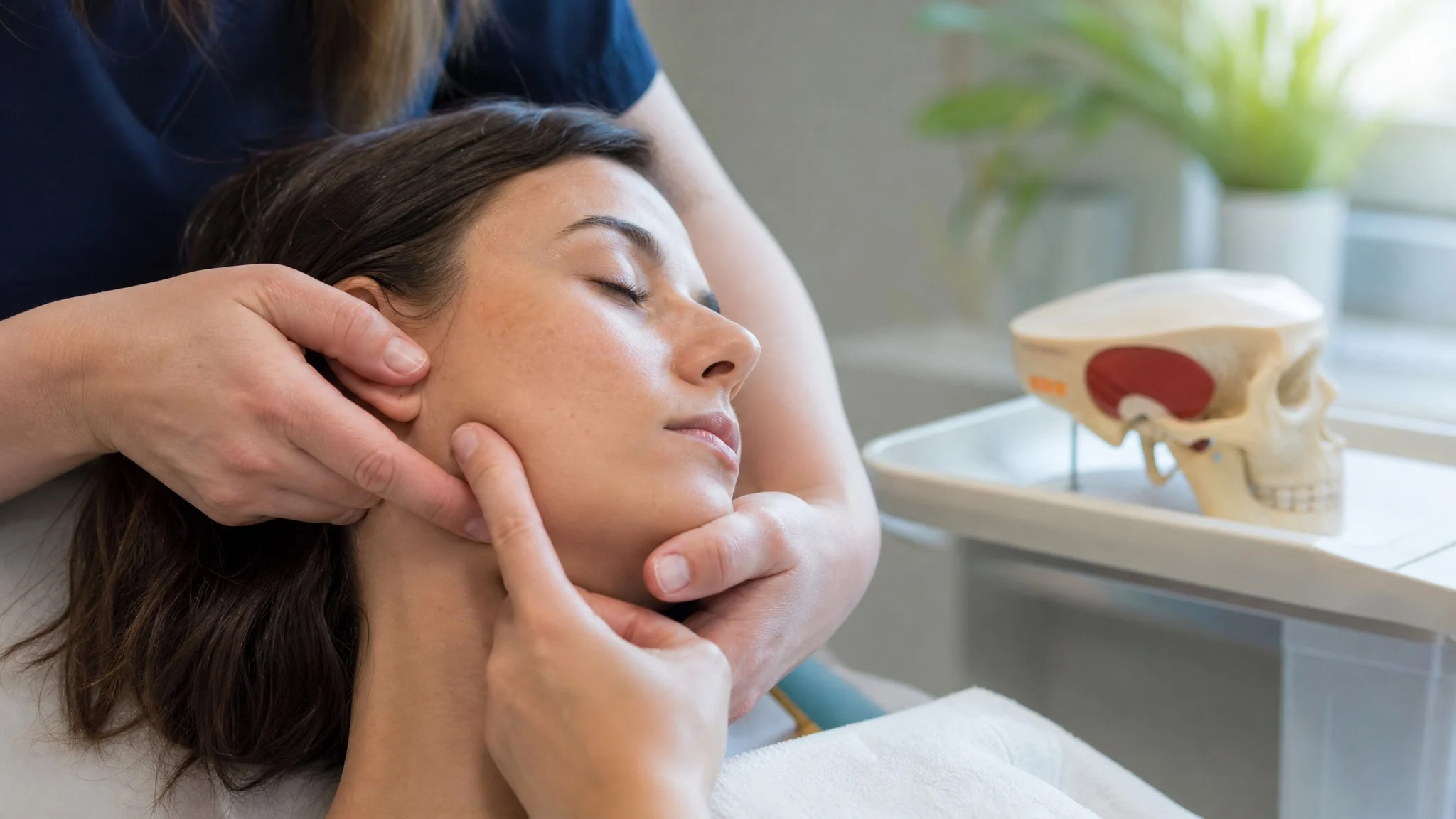
A calming facial typically uses gentle massage, cooling masks, and barrier-supporting moisturizers. The goal is comfort, not intensity. You should leave feeling soothed, not scoured.
Gentle enzyme facials vs. harsh chemical peels
Enzyme facials use fruit-derived enzymes to gently loosen dead skin cells without the harsh acids found in stronger chemical peels. For sensitive skin, this distinction matters a lot. Chemical peels can go deep. That can mean irritation, peeling, and prolonged redness in reactive skin types.
Enzyme treatments tend to be milder and more predictable. They still refine texture, just without the risk of a multi-day flare-up. If you’re choosing between the two, sensitive skin generally does better with the gentler option.
Why microdermabrasion and aggressive extractions can backfire
Microdermabrasion physically buffs the skin’s surface with tiny crystals or an abrasive tip. That kind of friction can irritate a compromised barrier and leave it more red and sensitive, not less. Aggressive extractions work the same way: when a therapist forcefully clears clogged pores, it can traumatize skin that’s already reactive.
These treatments aren’t bad. They’re just often mismatched with sensitive skin. What works for someone with a resilient, oily complexion can genuinely backfire on someone with a thin or reactive barrier.
What to Ask Before Booking a Facial If Your Skin Reacts Easily
Before you book anything, a few questions can save you a painful, red-faced week afterward.
- Does the esthetician offer a patch test before applying new products to your full face?
- Will they walk you through every ingredient in the products they plan to use?
- Do they have specific experience treating rosacea, eczema, or reactive skin?
- Can pressure, product strength, and treatment time be adjusted mid-session if your skin reacts?
- Is there a clear aftercare plan in case your skin flares after you leave?
If an esthetician can’t answer these clearly, or seems annoyed that you’re asking, that’s useful information too. A licensed professional who works with reactive skin regularly should welcome these questions, not brush past them.
How a Custom Approach Beats a One-Size-Fits-All Facial Menu
Spa menus love clever treatment names. But sensitive skin doesn’t care about menu descriptions. It cares about what’s actually in the products and how much pressure your face is under.
At Body Ache Escape, every facial starts with a real conversation about your skin’s history, not a fixed menu, because “sensitive skin” looks different on every face that walks through our door. That means the products, pressure, and pacing of your facial get adjusted to you, not to a standard 50-minute template built for average skin.
A custom approach also means the esthetician can pivot mid-treatment. If a product feels too strong, it comes off. If your skin looks flushed, the pace slows down. A rigid spa-menu format doesn’t leave room for that kind of responsiveness.
What to Expect at Your First Sensitive-Skin Facial Visit
Your first visit should start with a conversation, not a treatment table. Expect questions about your skin history: what products you use, what’s flared you up before, any diagnosed conditions like rosacea or eczema, and any current actives in your routine.
From there, a good esthetician picks gentle, barrier-friendly products based on what you’ve shared. Most start conservatively rather than using every product in their kit. Expect a slower pace, lighter pressure, and check-ins throughout the treatment to make sure your skin is tolerating everything well.
Licensed estheticians tend to use one rule of thumb: if a facial leaves your skin tight, stinging, or visibly redder for hours afterward, it wasn’t the right one for you, no matter how good it felt in the moment. A well-matched sensitive-skin facial should leave you calm, comfortable, and a little more glowy, not raw.
Aftercare tips for calming skin post-treatment
After your facial, keep your routine simple for the next day or two. Skip active ingredients like retinol, strong acids, or fragranced products while your skin settles. Use a gentle, fragrance-free moisturizer, and apply sunscreen if you’re heading outside, since freshly treated skin can be more sun-reactive.
If you notice mild redness right after treatment, that’s often normal and should fade within a few hours. Anything that lingers for days, or comes with swelling or itching, is worth mentioning to your esthetician for future visits.
FAQ: Facials for Sensitive Skin
What type of facial is best for sensitive or reactive skin?
Calming, hydration-focused facials with gentle enzyme exfoliation and soothing botanicals like aloe or oatmeal generally work best. Avoid treatments built around deep exfoliation, aggressive extractions, or physical abrasion.
Can you get a facial if you have rosacea or eczema?
Yes, but the treatment needs to be adjusted for your condition. A licensed esthetician experienced with rosacea and eczema will choose calming, fragrance-free products and avoid triggers like heat, friction, or harsh acids.
What ingredients should sensitive skin avoid in a facial?
Fragrance, alcohol-based toners, strong acids like high-percentage glycolic or salicylic acid, and physical exfoliants with rough particles are common irritants. Always ask for full ingredient disclosure before treatment.
How often should someone with sensitive skin get a facial?
This varies by person and treatment type, but many people with reactive skin do well with a gentler facial every four to six weeks. That gives the skin barrier time to recover between sessions.
Is a facial safe right before or after using retinol or other actives?
Generally, it’s best to pause retinol and other strong actives for a few days before and after a facial. This cuts the risk of irritation from combining active ingredients with treatment products or exfoliation.
What’s the difference between a calming facial and a deep-cleansing facial?
A calming facial focuses on soothing, hydrating, and reducing redness with gentle products. A deep-cleansing facial focuses on extractions and stronger exfoliation to clear pores. For sensitive skin, calming facials are typically the safer starting point.
If your skin has been reacting to treatments that were supposed to help, it might be time for a different approach. Facials at Body Ache Escape are HSA/FSA eligible when they’re part of a treatment plan, which matters if you’re already budgeting for skin or pain care. Book a consultation-based facial at our Pickerington location, and let a licensed esthetician build a plan around your skin’s actual history, not a generic menu.