If your cheeks flush at the slightest thing, heat, wine, stress, a scratchy towel, you already know regular facials can feel like a gamble. Rosacea makes skin reactive in ways that aren’t always visible until hours later, when the redness sets in and doesn’t fade. That doesn’t mean facials are off the table. It means the facial itself has to change.
Rosacea affects roughly 1 in 10 adults to some degree. That makes sensitive-skin-safe facials a common request, not a rare one. If you’ve been avoiding facials because you’re worried about a flare-up, this guide walks through what a rosacea-friendly approach actually looks like, and how to find one near Pickerington, Ohio.
What Rosacea Does to Your Skin (and Why It Changes the Facial Rules)
Rosacea is a chronic condition. It causes redness, visible blood vessels, and sometimes small bumps across the face. It’s not just occasional flushing. The skin barrier itself tends to be more reactive, more easily irritated, and slower to calm down once it’s provoked.
That’s the key difference from typical sensitive skin. A standard facial often leans on heat, steam, and friction to “deep clean”, hot towels, brisk massage, manual exfoliation. For most skin types, that combination feels great. For rosacea-prone skin, it can trigger redness that lasts for hours or even days afterward.
This is why a facial for rosacea needs a different playbook from the start, not just a lighter version of the same one.
Common triggers that make rosacea flare
Rosacea often flares from heat, friction, or fragrance. That’s exactly why a facial built for it looks and feels different from a typical deep-cleansing or exfoliating treatment. Other common triggers include:
- Hot steam or hot water on the face
- Vigorous rubbing, scrubbing, or extractions
- Fragranced products, essential oils, or alcohol-based toners
- Sun exposure right before or after treatment
- Spicy food, alcohol, or stress in the hours around an appointment
None of these are things you have to avoid forever. They’re just things a well-trained esthetician will plan around when working on rosacea-prone skin.
What a Facial for Rosacea and Sensitive Skin Actually Looks Like
A rosacea-safe facial keeps the same goal as any facial, clean, hydrated, healthier-looking skin, but gets there through gentler means. Instead of heat and pressure, the focus shifts to calm, controlled, low-friction techniques.
If you’re curious how this compares to other approaches, it helps to understand what facials actually do for your skin in general before narrowing in on the rosacea-specific adjustments.
Techniques and touch pressure that calm instead of irritate
Cleansing uses lukewarm water, not hot. Massage strokes stay light and slow rather than brisk. Cool tools, think chilled globes or gentle rollers, replace hot towels to bring down redness rather than add to it.
Estheticians usually skip extractions or keep them minimal, since picking or pressing on rosacea-prone skin can trigger inflammation that lingers well past the appointment. Steam, if used at all, stays brief and at a low, controlled temperature.
Ingredients to look for, and ones to avoid
Soothing, barrier-supporting ingredients do the heavy lifting in a rosacea-safe facial. Look for:
- Aloe vera
- Oat extract or colloidal oatmeal
- Centella asiatica (often listed as “cica”)
- Niacinamide in low, gentle concentrations
- Ceramides and ceramide-rich moisturizers
On the avoid list: fragrance, alcohol-based toners, menthol, essential oils like eucalyptus or peppermint, and strong acids or manual scrubs. Licensed estheticians generally recommend patch-testing new products and avoiding high heat, steam, and mechanical exfoliation on rosacea-prone skin. If you’ve been drawn to trendier treatments, it’s worth reading about chemical peels for textured skin to understand why most peels are a poor match for active rosacea.
Is It Safe to Get a Facial With Active Rosacea?
Yes. With the right adjustments, most people with rosacea can safely get a facial. The treatment just needs to be built around calming the skin, not challenging it.
The exception is during a severe, active flare, especially if you’re using certain prescription topicals like strong retinoids or specific rosacea medications. In that case, it’s worth waiting until the flare settles, or checking with your dermatologist first. It also matters that your esthetician knows what you’re using, since some ingredients don’t mix well with in-facial treatments.
This is really a conversation, not a strict yes-or-no. An esthetician experienced with reactive skin can adjust pressure, products, and timing so the facial supports your skin instead of provoking it.
How to Prepare for a Sensitive-Skin Facial Appointment
A little prep goes a long way toward a comfortable, flare-free appointment. In the days before your facial:
- Skip retinoids or other active treatments for a few days, if your provider suggests it
- Avoid sun exposure and skip tanning
- Don’t schedule a facial right after a workout, sauna, or hot yoga class
- Bring a list of your current skincare products and any medications you’re using
That last point matters more than people expect. An esthetician can’t plan around what they don’t know about.
Questions to ask your esthetician beforehand
Before you book, it’s worth asking a few direct questions:
- Have you worked with rosacea-prone or reactive skin before?
- What products will you use, and can I see the ingredient list?
- Will there be steam, heat, or extractions, and can those be skipped?
- What should I expect my skin to look like right after the treatment?
At Body Ache Escape, every facial starts with a skin conversation first. We ask about flare triggers, medications, and sensitivity history before a single product touches your face. That conversation shapes the entire treatment plan.
What to Do After Your Facial to Avoid a Flare-Up
Aftercare matters just as much as what happens during the facial. Rosacea-prone skin can flare hours after a treatment, not just during it, so the first day or two afterward deserves some care.
For the rest of the day, skip strenuous exercise, hot showers, saunas, and anything else that raises your body temperature. Heat is one of the most reliable rosacea triggers. It’s easy to undo a calming facial with a hot workout right afterward.
Use a gentle, fragrance-free moisturizer to support the skin barrier, and apply a mineral SPF before any sun exposure. Rosacea-prone skin tends to be more sun-sensitive than average. Avoid new active ingredients like retinoids or exfoliating acids for at least a day or two, and give your skin time to settle.
As for frequency: most people with rosacea do well with a facial every four to six weeks, though your esthetician may adjust that based on how your skin responds. Some people space treatments further apart during high-flare seasons like summer heat or winter wind, then return to a more regular rhythm when their skin is calmer.
Finding the Right Facial for Sensitive Skin Near Pickerington, Ohio
If you’re searching for a facial for rosacea near Pickerington, Ohio, or the surrounding Columbus, Reynoldsburg, and Canal Winchester areas, the treatment approach matters more than the treatment name. Look for a provider who asks about your skin history before recommending products, not after.
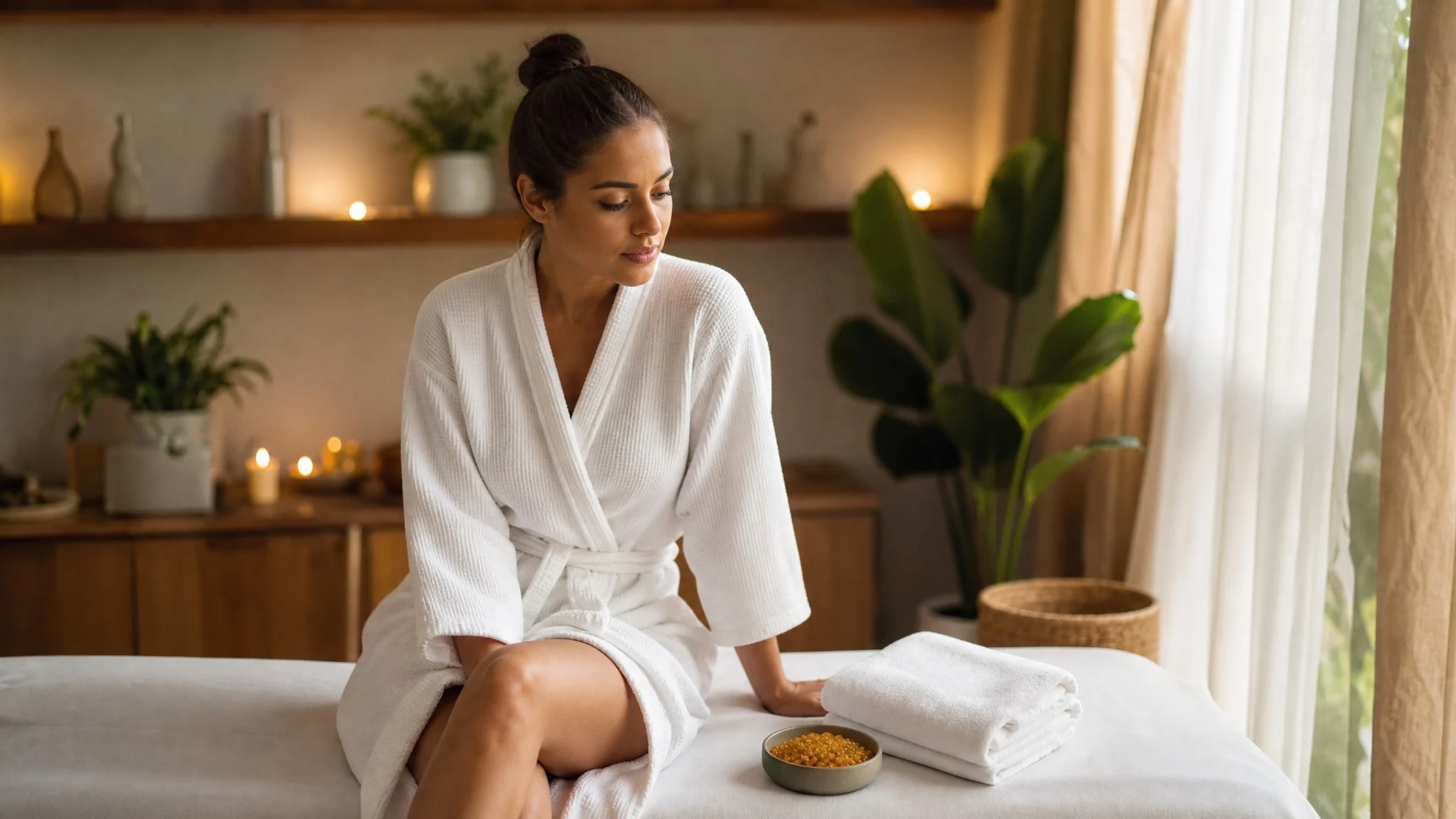
We perform our facials in a calm, quiet treatment space designed to keep the nervous system settled. That matters because stress and overheating are two of the most common rosacea triggers. The calmer environment isn’t an added extra; it’s part of why the treatment works better for reactive skin.
If you’re weighing whether a facial is even worth it for skin like yours, it helps to look at the real benefits of getting a facial beyond relaxation, and understand what you really get beyond spa ambiance when the technique is genuinely tailored to your skin. For a broader look at options if rosacea isn’t your only concern, the best facial types for sensitive skin is a useful next read.
You don’t have to keep guessing which products or treatments will set your skin off. Body Ache Escape’s customized facial services in Pickerington start with a conversation about your skin, your triggers, and what’s worked or backfired before. From there, we build a facial that actually calms rosacea-prone skin instead of testing its limits. If you’re ready to stop guessing, book a consultation and let’s talk about what your skin actually needs.