You booked a facial once, felt relaxed for an hour, and then wondered what actually changed. That’s a fair question. So let’s answer it honestly: what do facials actually do, beyond a nice hour of quiet and a warm towel on your face?
At Body Ache Escape, we approach facials the same way we approach massage therapy, with a clinician’s eye on what your skin actually needs, not a one-size-fits-all spa menu. Every step of a facial has a job to do, not just a vibe to set.
What Do Facials Actually Do for Your Skin?
A facial isn’t one action. It’s a sequence: cleansing, exfoliation, extraction, massage, and a mask suited to your skin. Each step solves a different problem.
Cleansing removes surface oil, makeup, and pollution buildup that a home routine often misses. Exfoliation lifts dead skin cells so newer skin can surface. Extraction clears clogged pores before they turn into breakouts. Massage boosts blood flow to the face. The mask delivers concentrated ingredients your skin can actually absorb, since the earlier steps already prepped it.
The Immediate Effects You Can See and Feel
Right after a facial, your skin usually looks brighter and feels smoother. That’s real. Exfoliation removes the dull outer layer. Increased circulation brings more blood to the surface, which is why cheeks often look flushed and healthy right after treatment.
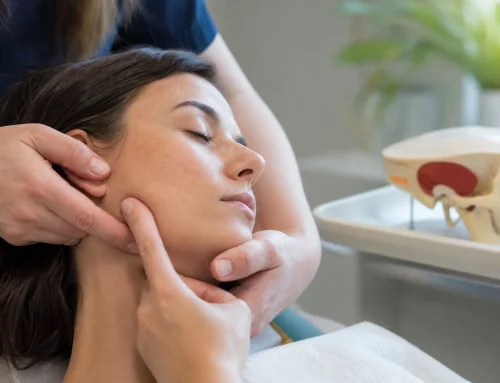
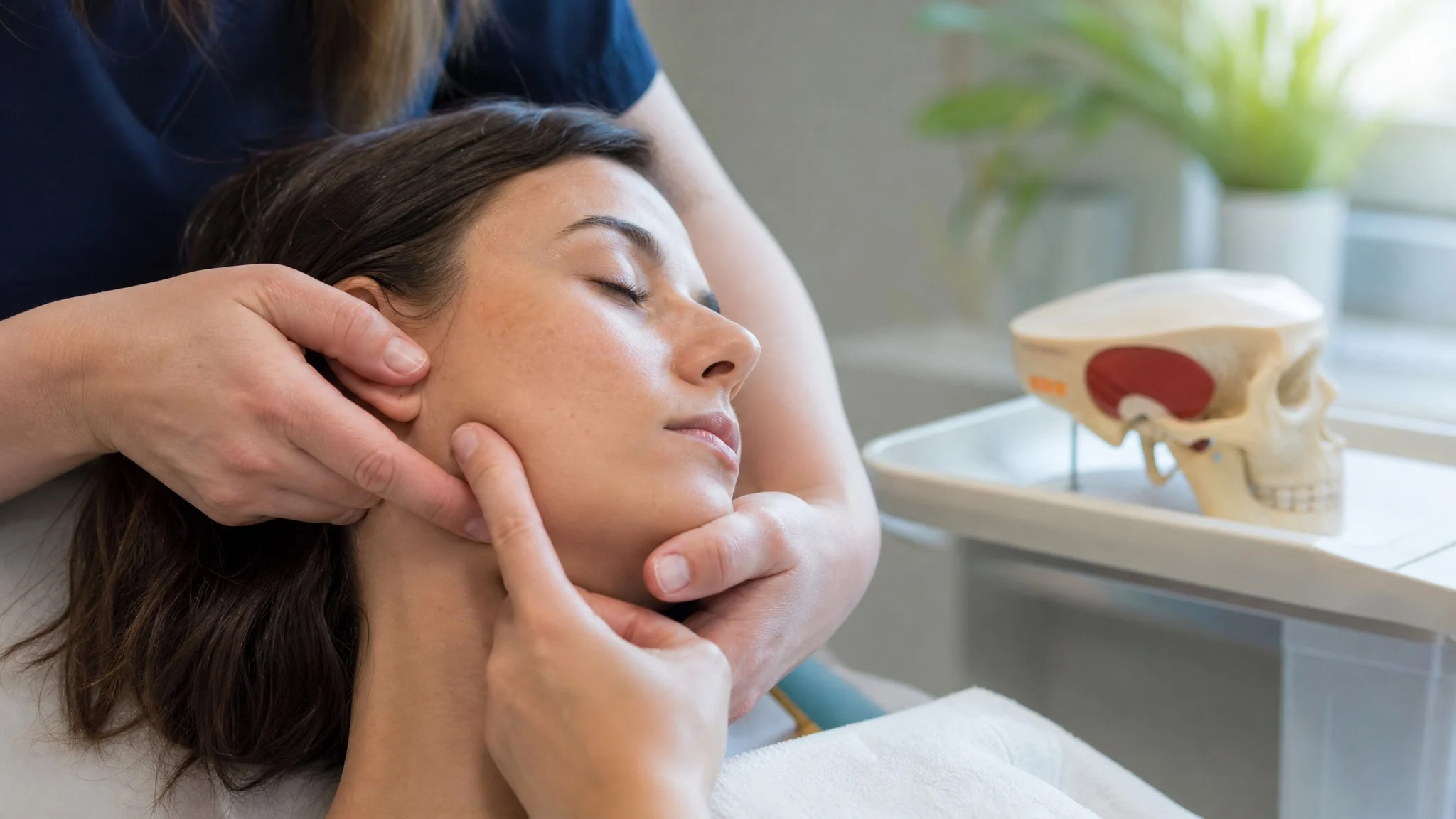
Puffiness tends to drop, too. The facial massage techniques used in a professional treatment mirror the lymphatic drainage principles used in therapeutic bodywork. That’s why many clients notice less puffiness right after a session. It’s not a coincidence, the same physiology is showing up in a smaller area.
The Longer-Term Benefits That Build Over Time
The instant glow fades within a day or two. That’s normal. It doesn’t mean the facial didn’t work.
The deeper benefits, clearer pores, better texture, more even tone, build with repeated sessions, not a single visit.
Think of it like exercise. One workout won’t change your body. Consistent sessions, spaced appropriately, retrain your skin’s texture and habits over weeks and months.
How a Facial Helps Beyond Just Your Skin
Facials aren’t only a cosmetic service. They’re connected to how your whole body handles stress, fluid, and tension. That’s a big part of why we treat them as part of the same wellness picture as bodywork.
Facial Massage and Circulation
Estheticians and massage therapists both look at skin as connected to the rest of the body. Circulation, lymph flow, and stress all show up on your face before you notice them anywhere else. Poor sleep, dehydration, and tension in the jaw and neck often show up first as dullness or puffiness in the face.
Facial massage improves blood flow, which helps deliver oxygen and nutrients to skin cells. It also encourages lymphatic drainage, moving out the fluid buildup that causes that heavy, puffy look, especially around the eyes and jawline.
Stress Relief and Relaxation Benefits
There’s a reason facials feel so calming, and it’s not just the lighting. Touch on the face and scalp activates the parasympathetic nervous system, the part of you that slows your heart rate and eases muscle tension.
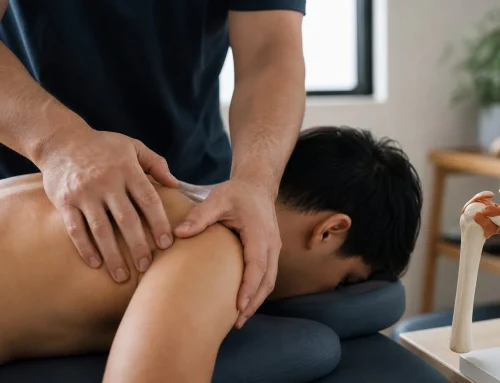
That’s the same relaxation response behind how massage therapy relieves stress. Facials give that same nervous-system reset, just focused on the face, neck, and shoulders. For clients dealing with tension headaches or jaw clenching, that’s not a minor side benefit. It’s often part of the point.
Common Facial Concerns and What Treatments Target Them
Not every facial should look the same, because not every skin problem is the same. A client dealing with clogged pores from stress and poor sleep needs a very different protocol than someone managing early signs of aging or seasonal dryness from Ohio winters.
Acne and Clogged Pores
Acne-prone skin usually needs deeper exfoliation, careful extraction, and ingredients that control oil without stripping the skin barrier. Getting this wrong, over-exfoliating or using the wrong products, can actually make breakouts worse.
If breakouts are your main concern, a professional facial treatment for acne is worth understanding in more depth. Acne-focused protocols differ quite a bit from general maintenance facials.
Dryness, Dullness, and Signs of Aging
Dry or dull skin, especially common during Ohio winters, usually responds well to gentler exfoliation paired with hydrating, barrier-repairing masks. For early signs of aging, facials often focus on stimulating circulation and using ingredients that support collagen and skin firmness over time.
The right approach depends on your skin’s actual condition, not a generic checklist.
What Makes a Facial Effective vs. Just Pampering
Here’s the honest skepticism worth addressing: is a facial actually doing something, or is it marketing dressed up in candles and soft music?
Both things can be true, depending on where you go. A facial built purely around ambiance, dim lighting, a nice scent, minimal skin assessment, can feel wonderful without changing much about your skin. An effective facial starts with an actual assessment of your skin and ends with a treatment matched to that assessment.
The difference shows up in the details. Are your extractions done with skill instead of rushed through? Is your exfoliation matched to your skin type, rather than a fixed protocol every client gets? Are the products chosen for your concern, or just whatever’s on the standard menu that day?
If you’re weighing a spa visit against a results-focused treatment, it helps to understand what you actually get beyond spa ambiance before you book. Relaxation matters. It’s just not the whole story.
What to Expect at Your First Facial Appointment
If you’ve never had a professional facial, the unknowns can make you hesitant to book at all. Here’s a realistic walkthrough.
You’ll start with a short consultation. Your esthetician will ask about your skin type, current concerns, products you use, and any sensitivities. Then comes a skin assessment: actually looking at your skin under proper lighting to figure out what it needs that day, not just what you assumed you needed.
The treatment itself typically runs cleansing, exfoliation, extractions if needed, massage, and a mask suited to your skin. Expect the whole appointment to take about 60 to 90 minutes, depending on the treatment and what your skin requires.
Afterward, you’ll get aftercare guidance: what products to use, what to avoid for a day or two, and when to schedule your next visit if you’re pursuing ongoing results. If you’re also considering bodywork, the general first-visit rhythm is similar to what to expect at your first appointment for massage therapy. Many clients use HSA or FSA funds for facial treatments tied to a documented skin condition, so it’s worth checking your plan before you book.
Who Should Get a Facial (and How Often)
Facials aren’t reserved for people with a specific skin problem. Anyone dealing with stress, tension, seasonal skin changes, clogged pores, or just the general wear of daily life on their skin can benefit.
Frequency depends on your goals. For general skin maintenance, once a month is a common baseline, since that roughly matches your skin’s natural renewal cycle. If you’re targeting a specific concern, like acne or significant dryness, more frequent sessions over a shorter stretch often make sense, then tapering to maintenance visits once things stabilize.
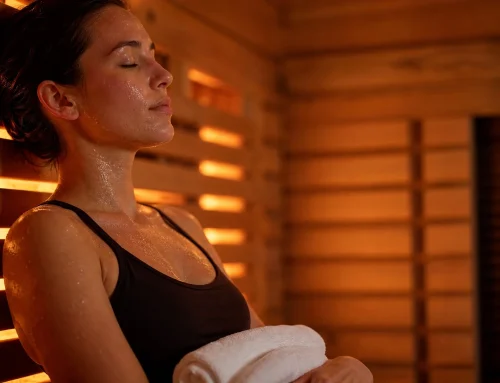
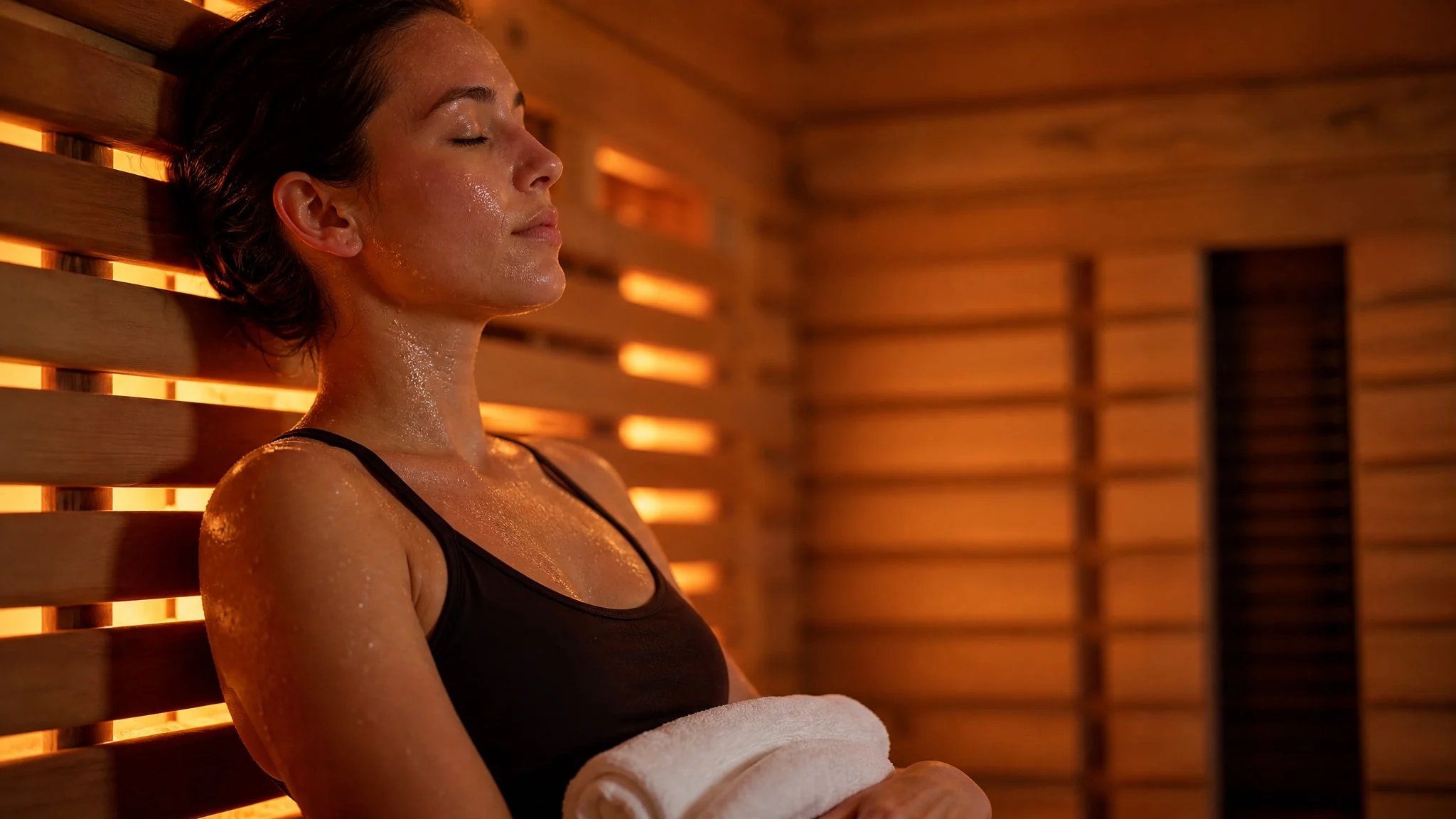
Some clients also pair facials with other wellness treatments. Pairing a facial with an infrared sauna session, for example, can support circulation and relaxation goals together, since both work with the same underlying systems.
The honest answer to “how often” is: it depends on what your skin is actually dealing with, not a fixed number that works for everyone. That’s exactly why a personalized consultation matters more than picking a service off a menu.
If you’re in Columbus, Pickerington, Reynoldsburg, or Canal Winchester and want a treatment plan built around what your skin actually needs, book a facial at Body Ache Escape. We’ll assess your skin honestly and build a plan around it, not the other way around.