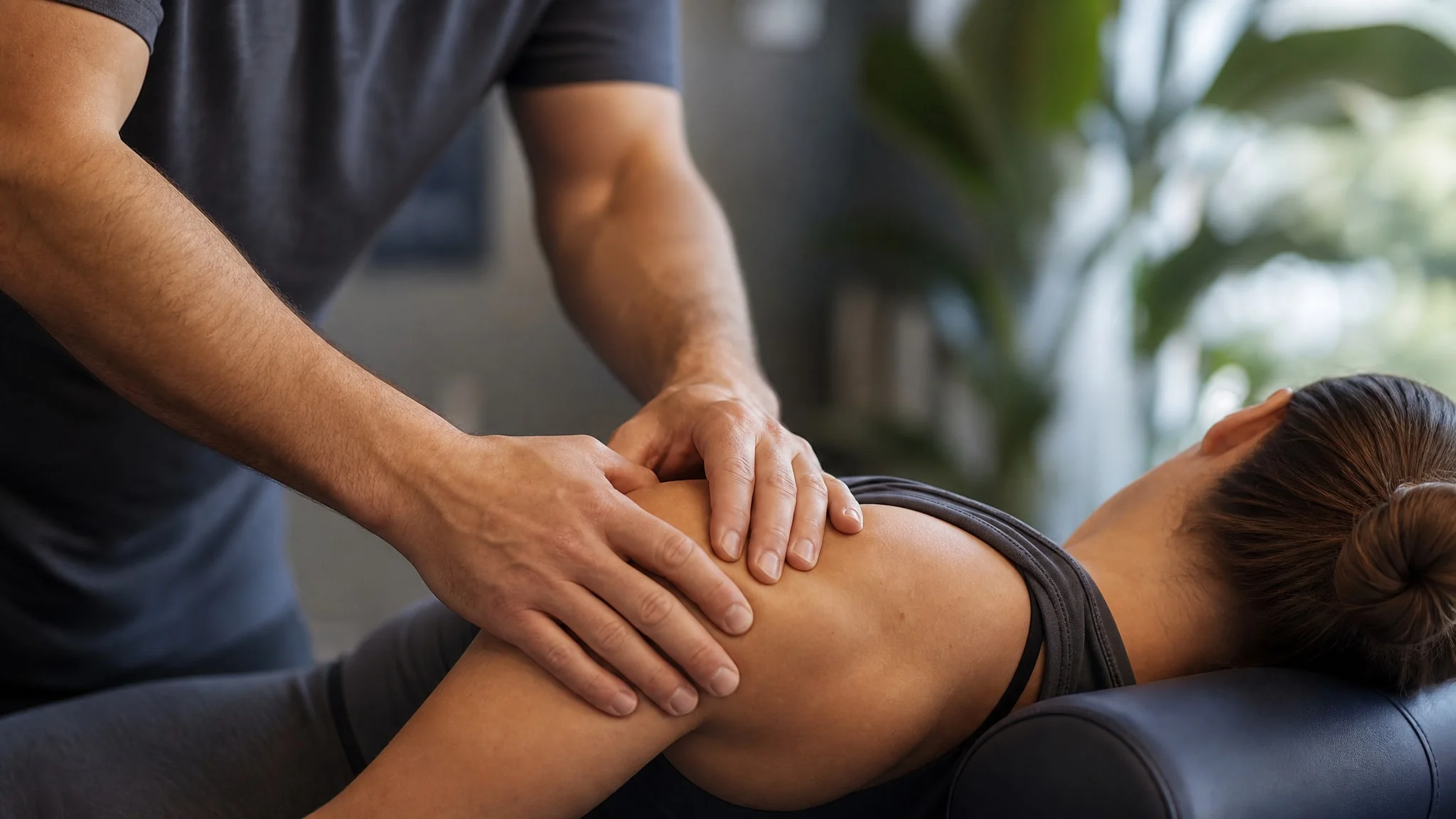
If you’re trying to conceive, you’ve probably already Googled everything from cervical mucus to seed cycling. So it makes sense you’d wonder: can massage support fertility while trying to conceive? The honest answer is nuanced, and we’d rather give you that than a sales pitch.
Can Massage Support Fertility While Trying to Conceive?
Massage is not a fertility treatment. No licensed therapist should ever tell you it can replace medical care, fix a diagnosed condition, or guarantee a pregnancy. But that doesn’t mean it’s useless while you’re trying to conceive.
What massage can do is help your body function from a calmer, less tense baseline. Less stress, better circulation, and a more regulated nervous system don’t guarantee conception. They just make things a little easier for a body that’s already working hard.
At Body Ache Escape, clients trying to conceive often come in carrying visible tension in their low back, hips, and shoulders. It’s the kind that builds up from stress, not just posture. That tension doesn’t cause infertility. But it’s real, it’s uncomfortable, and addressing it is a reasonable part of self-care during this stretch of life.
What the Research Actually Says
Research on massage and fertility outcomes directly is limited. There isn’t a body of clinical trials proving massage increases pregnancy rates. What’s better established is the link between chronic stress and reproductive hormone rhythm, and between massage and measurable stress reduction.
That’s an important distinction. Massage works on the stress and tension side of the equation, not on egg quality, sperm count, or tubal patency. Anyone offering a different promise isn’t being straight with you.
What Massage Can and Can’t Do
Massage can help you sleep better, lower muscle tension, and ease the anxiety that comes with month-after-month uncertainty. It can improve blood flow to tense areas and give you a real window to exhale.
Massage can’t diagnose or treat conditions like endometriosis, PCOS, or blocked fallopian tubes. It can’t replace bloodwork, ultrasounds, or a reproductive endocrinologist’s plan. Think of it as support alongside your medical care, not instead of it.
How Stress and Circulation Connect to Fertility
Trying to conceive is stressful in a way that compounds itself. The stress of not conceiving can add to the very tension that makes you feel worse month over month.
The Stress-Cortisol Link
Doctors and researchers in reproductive health widely recognize that chronic stress can throw off hormonal rhythm. That’s part of why relaxation-focused care often gets recommended alongside medical fertility support. When your body stays in a prolonged stress response, it prioritizes short-term survival signals over reproductive ones.
Massage triggers the opposite response. It shifts your nervous system toward rest-and-digest mode, easing muscle tension and calming a racing mind. For a deeper look at how bodywork affects stress hormones and mood, see how massage helps manage stress and anxiety.
Why Blood Flow to the Pelvic Region Matters
Circulation matters because tissues need oxygen and nutrients to function well, including reproductive organs. Tight hip flexors, a tense low back, and restricted pelvic muscles can limit blood flow in that region.
Massage techniques that release tension in the hips, low back, and abdomen may support better local circulation. This doesn’t mean a single massage changes your fertility odds. It means your body isn’t fighting itself as hard.
Types of Massage Techniques Used for Fertility Support
Not every massage style fits someone trying to conceive. Gentle, deliberate work matters more here than deep, aggressive pressure.
Abdominal and Fertility Massage
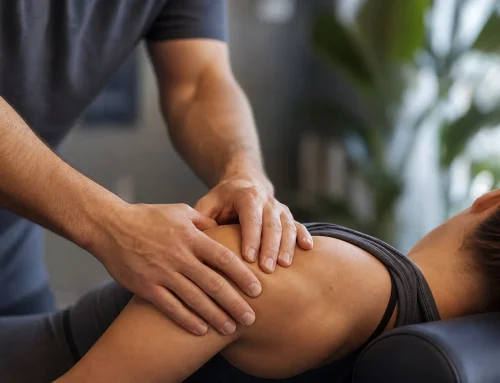
Gentle abdominal massage focuses on the belly and lower pelvic area with light, circular strokes. The goal is to ease tension around the uterus and encourage relaxation in a part of the body many women hold stress without realizing it.
This is not deep or invasive work. A skilled therapist keeps pressure light and checks in constantly about comfort.
Deep Tissue and Lower Back Work
Low back and hip tension is common in people trying to conceive, especially if stress has them clenching their glutes, hips, or jaw without noticing. Targeted work in these areas can ease that chronic tightness.
Deep tissue techniques are useful here, but pressure should stay within what feels good, not painful. If you’re also dealing with ongoing back discomfort, relief for chronic low back pain is worth exploring alongside fertility-focused sessions.
Lymphatic Drainage for Hormonal Balance
Lymphatic drainage uses very light, rhythmic strokes to support the body’s natural fluid and waste clearance. Some people trying to conceive use it to support overall hormonal balance and reduce bloating or fluid retention.
It’s one of the gentlest techniques available, which makes it a reasonable option if you’re nervous about pressure during this sensitive time. You can read more about lymphatic drainage therapy and how it works.
What to Discuss With Your Massage Therapist Before Trying to Conceive
A good therapist wants to know your full picture before your first session, not after something feels off.
Red Flags and Contraindications
Licensed massage therapists are trained to ask about medications, hormone therapy, and pregnancy possibility before every session. That’s not a formality. It changes technique and pressure. Tell your therapist if you’re on fertility medications, undergoing IUI or IVF, or think you might already be pregnant.
Certain deep abdominal work and some essential oils aren’t appropriate during ovulation induction or right after embryo transfer. This isn’t about being overly cautious. It’s about matching the technique to where you actually are in your cycle and treatment.
Timing Around Your Cycle
Timing changes what a session should look like. A client preparing for an IUI cycle may ask for gentler pressure and shorter sessions closer to her fertile window. Any licensed therapist should honor that without pushback.
Some people prefer more intensive bodywork earlier in their cycle and lighter, calming sessions as they approach ovulation or a treatment date. There’s no single right schedule. It depends on your body, your treatment plan, and what feels supportive rather than stressful.
Is it safe to get a massage while doing fertility treatments like IVF or IUI? Generally yes, with communication. Many people continue massage through IUI and IVF cycles, adjusting pressure and abdominal work based on where they are in the process. Always loop in your fertility doctor if you have specific concerns about timing around retrieval or transfer.
What to Expect During a Fertility-Focused Massage Session
If you’ve never had a massage with fertility in mind, the first visit probably feels a little different from what you expect.
It starts with intake questions about your cycle, any treatments you’re undergoing, medications, and areas of tension or discomfort. This isn’t small talk. It shapes the entire session.
Your therapist should ask about pressure preferences before touching you, and check in throughout. Sessions typically run about the same length as a standard massage, though some people prefer shorter, gentler visits during sensitive windows like right before ovulation or after a transfer.
If you’re new to massage in general, what to expect at your first massage appointment walks through the basics of intake, draping, and communication so nothing feels like a surprise.
How often should you get a massage while trying to conceive? Many people find once every two to four weeks works well, though this varies by budget, schedule, and how much tension you’re carrying. Consistency tends to matter more than frequency. Regular, gentle sessions build on each other in a way that one occasional deep-pressure visit doesn’t.
Combining Massage With Other Fertility-Supportive Habits
Massage works best as one piece of a bigger picture, not the whole plan. Sleep, nutrition, movement, and stress management all play a role in how your body handles the trying-to-conceive process.
Think of massage the way you’d think of a good night’s sleep or a nourishing meal. It’s supportive self-care, not a substitute for anything your doctor has recommended. Pair it with the habits your fertility specialist or OB already advises, and use it as a tool to manage the emotional weight of this process.
Fertility is a personal, often gendered health journey, so it’s worth thinking about who you trust with your care. There’s a reason why a woman-owned wellness business can matter to people navigating this kind of vulnerable, hopeful, sometimes frustrating process.
When to See a Fertility Specialist Instead
Massage is not the right tool if you’re dealing with unexplained infertility over many months, suspected structural issues, or hormonal imbalances that haven’t been evaluated. Those situations call for a reproductive endocrinologist or your OB-GYN, not bodywork alone.
If you’ve been trying to conceive for a year without success, or six months if you’re over 35, get a medical evaluation first. Massage can support you through that process. It shouldn’t delay it.
If you’re in Columbus, Pickerington, Reynoldsburg, or Canal Winchester and want a gentle, personalized massage plan that fits your fertility journey and whatever medical guidance you’re already following, we’d love to talk it through with you. Reach out to our Pickerington wellness center to schedule a consultation. We’ll ask the right questions, respect your timeline, and build a plan around where you actually are.