If someone you love has Parkinson’s disease, you already know it’s about more than shaky hands. It’s stiff mornings, slower steps, and a body that doesn’t always cooperate the way it used to. When people ask us about massage for Parkinson’s disease, they’re usually not looking for a miracle. They just want some relief, and maybe a little more ease in a body that feels increasingly out of their control. That’s a reasonable thing to want, and it’s worth talking through honestly.
What Parkinson’s Disease Does to the Body
Parkinson’s disease affects roughly one million people in the United States. That number is expected to keep growing as the population ages. It’s a neurological condition, which means it starts in the brain, not the muscles. But the muscles feel it every day.
As dopamine-producing cells decline, the brain has a harder time sending smooth movement signals to the body. That shows up as tremor, rigidity, and slower, smaller movements. Posture often shifts too. A stooped, forward-leaning stance puts extra strain on the neck, shoulders, and lower back.
None of this happens because someone isn’t trying hard enough. It’s the disease working against the body’s normal movement patterns, hour after hour.
Common Symptoms Massage Therapists See
In practice, we tend to see a familiar pattern. Clients arrive with tight shoulders and a stiff, guarded neck. Many carry chronic low back tension from years of compensating for poor posture.
Some clients have a resting tremor that’s more noticeable when they’re sitting still. Others move slowly and carefully, especially getting on and off the table. These aren’t separate problems. They’re pieces of the same underlying condition, and they shape how we plan every session.
How Massage for Parkinson’s Disease Can Help
Massage doesn’t change what’s happening in the brain. But it can change how the body feels day to day, and for a lot of people managing Parkinson’s, that matters a great deal.
Many bodywork practitioners who work with movement disorders describe massage as a way to temporarily ease muscle rigidity and support relaxation, not as a substitute for medical treatment. That distinction matters, and we’ll come back to it. But within that frame, there’s real, practical benefit to talk about.
Easing Muscle Rigidity and Stiffness
Rigidity is one of the most exhausting parts of Parkinson’s. Muscles stay braced even at rest. That can make simple things, like reaching for a coffee cup, feel like work.
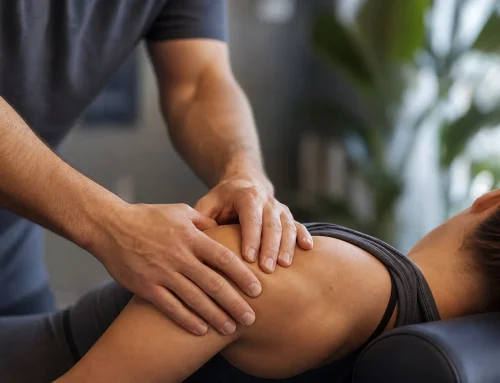
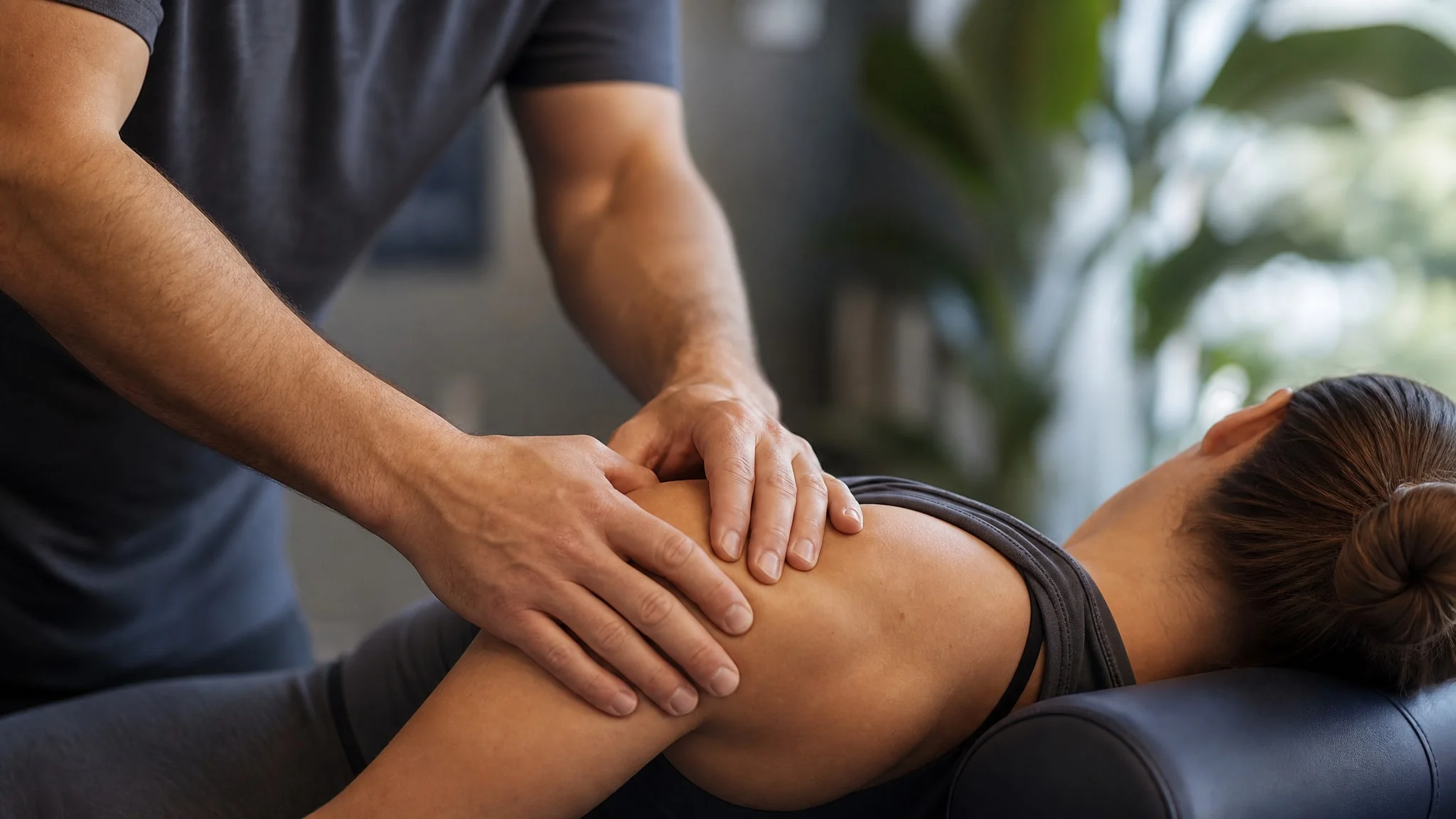
Slow, sustained massage strokes can help those overworked muscles let go, at least for a while. Better circulation from massage may also ease some of the stiffness that builds up between sessions, especially in the shoulders, hips, and lower back. It won’t undo the rigidity Parkinson’s causes. But it can give the body a break from constantly bracing against it.
Supporting Better Sleep and Mood
Parkinson’s disease often disrupts sleep, and poor sleep tends to make every other symptom feel worse the next day. Regular, gentle massage can help calm the nervous system enough to support better rest.
There’s also an emotional side that’s easy to overlook. Living with a progressive condition carries a real emotional weight. Touch-based therapy can offer a rare moment of calm in a day that otherwise feels demanding. Some clients even notice their tremor settle down slightly during a session, though this tends to be temporary. If anxiety is part of the picture, it may help to look at massage therapy for stress and anxiety relief alongside a Parkinson’s-focused plan.
What the Research Says (and Doesn’t Say Yet)
Here’s the honest part. Research on massage for Parkinson’s disease is still limited. A handful of small studies suggest massage may help with muscle stiffness, sleep, and general quality of life. But the studies are small, and the findings aren’t strong enough to call massage a treatment for Parkinson’s itself.
Massage is a complementary approach. It sits alongside medication, physical therapy, and neurology care, not in place of any of it. If you or a loved one is managing Parkinson’s, the neurologist stays the quarterback of that care team. Massage is more like a supportive teammate that helps the body handle the day-to-day physical toll.
We think that’s actually a comforting way to frame it. You don’t need massage to be a cure for it to be worth doing. It just needs to make daily life a little more comfortable, and for many people, it does.
What to Expect During a Session
If you’ve never had a massage while managing a chronic condition, the first visit can feel like an unknown. It helps to know what’s actually different, and what’s not.
At Body Ache Escape, we adjust pressure, pacing, and positioning session by session for clients managing chronic neurological or movement conditions, rather than applying a one-size-fits-all routine. That means we build the session around how your body is doing that day, not a fixed script.
Techniques We Adjust for Parkinson’s Clients
Pressure tends to be gentler and more even than a typical deep tissue session, especially in areas with significant rigidity. We slow down transitions and give extra time for positioning changes.
A client with significant rigidity may need extra pillows, a slower warm-up phase, and more time getting on and off the table than someone coming in for a typical stress-relief massage. That’s normal, and we build it into how we schedule the appointment. It’s nothing to feel rushed through.
Some clients do better lying on their side rather than flat on their back or stomach, especially if breathing or balance is a concern. We’ll work with whatever position feels safest and most comfortable for you.
Communicating Comfort Levels and Limitations
You don’t need to explain your entire medical history to get a good massage. But a few details go a long way. Let your therapist know where you’re feeling stiff, whether tremor is more noticeable at certain times, and if getting on and off the table needs extra support.
If this is your first visit anywhere, it also helps to know what to expect at your first massage appointment, since intake questions and pacing are a little different from a routine spa visit.
Is Massage Safe for People With Parkinson’s Disease?
For most people with Parkinson’s, massage is safe when the therapist knows what they’re working with and adjusts accordingly. The bigger risks usually come from things around the massage, not the massage itself.
Fall risk is one of the main ones. Getting on and off a massage table, or moving from a chair to a table, takes balance. A good therapist plans for that, offering support and extra time rather than rushing the transition.
Medication timing matters too. Many people with Parkinson’s experience “on” and “off” periods tied to their medication schedule, where movement and rigidity can shift noticeably through the day. Scheduling a massage during an “on” period, when medication is working well, often makes the session more comfortable.
When to Check With a Doctor First
If you also have osteoporosis, low or unstable blood pressure, or a recent injury, mention it to your doctor before starting massage, and definitely tell your therapist before the session begins. These aren’t reasons to avoid massage altogether. They’re reasons to be specific about pressure and positioning.
If you’re ever unsure whether massage is appropriate given your current medications or overall health, a quick check-in with your neurologist or primary care doctor is a reasonable, low-effort step. It’s not overcautious. It’s just good practice.
Finding the Right Massage Therapist Near You
Not every massage therapist has experience working with neurological conditions, and that’s worth asking about directly. A good question to start with: have you worked with clients who have Parkinson’s, MS, or similar movement disorders before?
You can also ask how they’d adjust pressure for rigidity, how they handle transfers on and off the table, and whether they’re comfortable working at a slower pace. The answers should feel specific, not generic. If rigidity and tension are a bigger concern than tremor itself, it can also help to compare how cupping compares to deep tissue massage as options for muscle relief.
If you’re in Columbus, Pickerington, Reynoldsburg, or Canal Winchester, we’d be glad to talk through what a personalized plan could look like for you. You can learn more about our Pickerington wellness center for pain relief and recovery, or see why our woman-owned wellness business approach matters if you’re curious about who you’d be working with. We also apply this same adaptive, client-first thinking to massage approaches for scoliosis and other complex conditions, so if posture and movement challenges run in your family or household, that context might help too.
As for how often to come in, there’s no single right answer. Some clients with Parkinson’s find that a session every two to four weeks helps keep rigidity from building up too much between visits. Others prefer more frequent, shorter sessions during rougher stretches. We can help you figure out a rhythm that actually fits your body and your week, rather than a generic schedule.
If you or someone you’re caring for is managing Parkinson’s disease, you don’t have to figure this out alone, and you don’t have to keep pushing through discomfort. Reach out to book a consultation with us, and let’s talk through a gentle, personalized massage plan that works alongside your existing medical care, not instead of it.