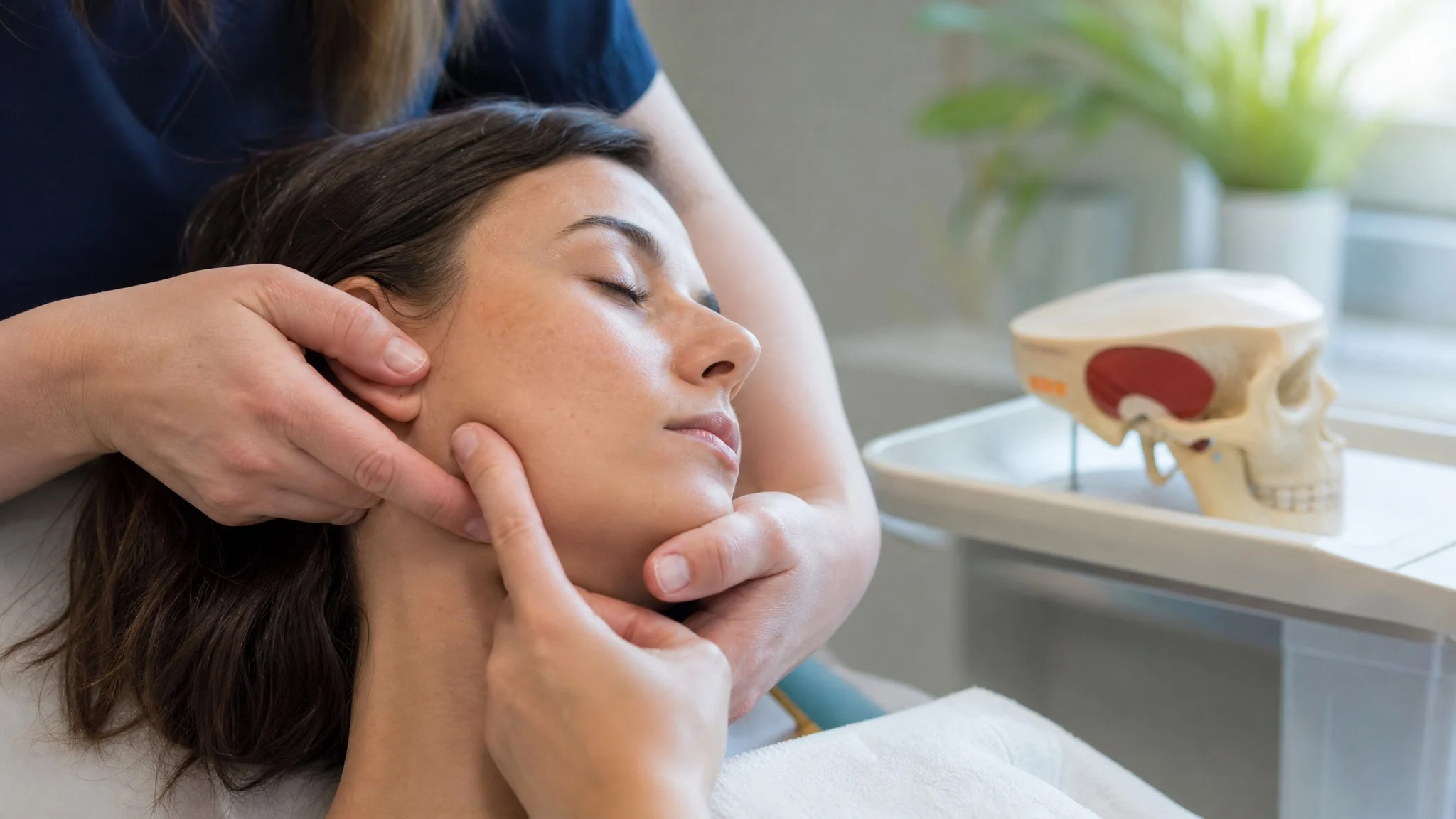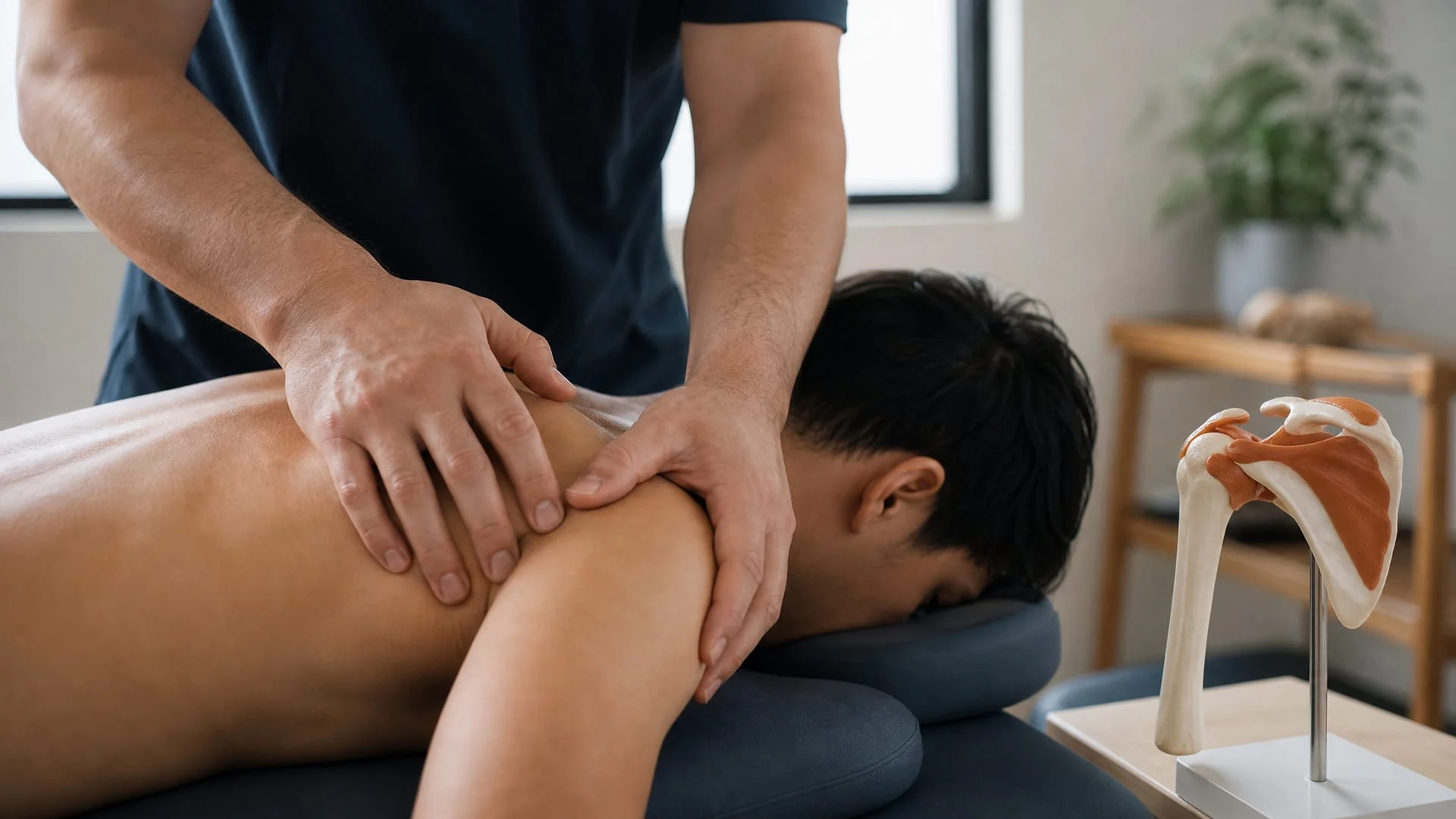
When you’re deciding who gets to put their hands on your body, ownership matters. It shapes how a business treats you from the moment you walk in. Choosing a woman-owned business for your wellness needs isn’t about checking a box. It’s about trusting who built the place and why.
This matters even more in massage, skincare, and bodywork, where the care is physical and personal. You’re not just picking a service. You’re picking who you let into your space.
What It Means to Choose a Woman-Owned Wellness Business
A woman-owned business is one where women hold significant ownership and usually make the core decisions about how it runs. In wellness, that often means a woman set the treatment philosophy, hired the staff, and shaped the client experience from day one.
That’s different from a business that simply employs women. Ownership shapes culture. It shapes what gets prioritized when no one’s watching, from how appointments get scheduled to how staff learn to handle a client’s discomfort.
Why This Matters More in Healthcare and Bodywork
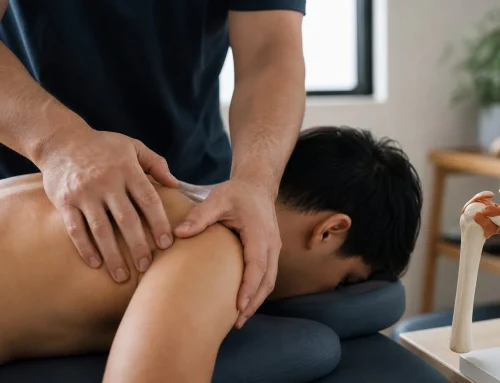
Massage and skincare involve touch, undressing, and vulnerability. Clients need to trust the people running the business, not just the person doing the treatment.
Michele and Kyron, both licensed massage therapists, founded Body Ache Escape in June 2010. They built the practice around a results-driven, clinician-minded approach rather than a spa-first ambiance. That founding story matters because it set the tone from the start: relief first, atmosphere second.
When a woman who is also a licensed therapist co-founds a wellness business, she’s usually built it around her own understanding of what clients need to feel safe and heard. That perspective doesn’t disappear once the business grows.
The Benefits of Choosing a Woman-Owned Business for Wellness Care
The benefits show up in small, daily details. You’ll notice them in how a therapist checks in during a session, and in how the front desk handles a nervous first-time caller.
Personalized, Empathetic Treatment Approaches
Woman-owned wellness practices often build their protocols around listening first. A therapist might spend extra time asking about pain history, or adjust pressure without being asked twice.
This isn’t true of every woman-owned business, and it’s not absent from businesses owned by men. But client-first, empathy-driven care tends to be a deliberate value in practices founded by women who’ve worked as hands-on providers themselves. It shows up in policies, not just personalities.
Communication That Respects Comfort and Boundaries
Clear communication about draping, pressure, and personal boundaries matters in massage therapy. Woman-owned practices often build this into standard intake conversations rather than leaving it to chance.
That includes talking through sensitive topics like pregnancy, past injuries, or areas a client wants to avoid. If you’ve never had a massage before, it helps to know what to expect at your first massage appointment before you book, so nothing feels like a surprise once you’re on the table.
How Woman-Owned Massage and Spa Businesses Support Women’s Health Needs
Many wellness concerns, from pregnancy discomfort to hormonal pain patterns, are specific to women’s bodies. A practice led by women often brings direct, lived context to those conversations.
Clients dealing with pregnancy discomfort, chronic back pain, or post-injury recovery often say it’s easier to be honest about sensitive concerns with a therapist who has personally gone through something similar. That comfort can make it easier to admit what actually hurts.
Prenatal and Postpartum Massage Considerations
Prenatal massage needs specific positioning and pressure adjustments trimester by trimester. Therapists with direct experience supporting pregnant clients tend to feel more confident making those adjustments in real time.
A woman who has been pregnant, or who has spent years treating pregnant clients, often has a sharper sense of which positions relieve pressure on the lower back and hips. She may also know how postpartum recovery changes the picture again, once the body starts healing and shifting back.
Navigating Pain, Stress, and Hormonal Changes
Hormonal shifts can drive tension headaches, lower back pain, and muscle tightness in ways that are hard to explain to someone who’s never felt them. Woman-led practices often approach these patterns with practical familiarity, not just clinical training.
If chronic back pain is a recurring issue, it helps to work with a provider who treats it regularly. Massage for chronic back pain in Columbus is a common reason clients seek out a therapist who understands how pain builds up over weeks and months, not just in a single session.
What to Look for When Evaluating a Local Woman-Owned Wellness Business
Ownership by a woman is a meaningful signal. It’s not the only one. A good wellness business still needs to meet basic standards of training and safety.
Credentials and Licensing Still Come First
Ohio requires massage therapists to hold a state license. Always confirm that the person treating you, and the business itself, meets that standard before you book. A woman-owned label doesn’t replace licensing. It sits alongside it.
Ask how long the practice has operated and whether the therapists have specific experience with your condition, whether that’s sciatica, migraines, or pregnancy-related pain.
Questions to Ask Before Booking
Before your first appointment, ask a few direct questions. How long has the business been open? Do the therapists have experience treating your specific concern? Does the practice accept HSA or FSA payment for eligible services?
Body Ache Escape accepts HSA and FSA for eligible treatments, which makes it easier for practical, outcome-focused clients to prioritize ongoing care rather than treat massage as an occasional splurge. It’s also worth reading about the founders’ story. It tells you a lot about whether the practice’s values match what you’re looking for.
Supporting Local, Woman-Owned Wellness in the Columbus Area
Choosing a woman-owned wellness business close to home does two things at once. It gets you care built around your comfort, and it keeps money and jobs circulating in your own community.
For readers around Pickerington, Columbus, Reynoldsburg, and Canal Winchester, that means a real choice in who handles your care. Local, woman-founded practices tend to know the community they serve, because they live in it too.
That’s part of why local clients choose Body Ache Escape rather than driving further into the city for similar care. If you’re in Canal Winchester or Pickerington specifically, it’s worth looking into therapeutic massage in Canal Winchester and Pickerington to see what’s available close to home. And for those further out, therapeutic relief options in Pataskala extend that same local, founder-led approach to a wider service area.
Supporting a small, woman-owned wellness business isn’t just a values statement. It’s a practical way to keep skilled, licensed care available in your own neighborhood for years to come.
Frequently Asked Questions About Woman-Owned Wellness Businesses
What does it mean for a wellness business to be woman-owned?
It means a woman holds significant ownership and usually drives the core decisions about how the business runs, from treatment philosophy to hiring and daily operations.
Are woman-owned massage and spa businesses more attentive to client comfort and privacy?
Many are, because their founders often built the business around their own standards for feeling safe and respected during hands-on care. This isn’t universal, but it’s a common pattern worth asking about directly.
Do woman-owned wellness businesses have special understanding of prenatal or hormonal-related pain?
Often, yes. Founders and therapists who’ve personally experienced pregnancy or hormonal pain patterns tend to bring practical, lived insight into how they adjust treatment.
How can I verify a wellness business is legitimately woman-owned and licensed?
Ask directly, and check the business’s own about page or founding story for details. Separately, confirm each therapist holds a valid Ohio massage therapy license, since ownership and licensing are two different checks.
Does choosing a woman-owned business affect the cost or HSA/FSA eligibility of massage therapy?
No. Ownership doesn’t change HSA or FSA eligibility, which depends on the treatment and your plan’s rules. It’s still worth confirming a practice accepts these payment methods, since using your HSA for massage therapy can make ongoing sessions more affordable.
Where can I find woman-owned wellness businesses near Pickerington and Columbus, Ohio?
Look for locally founded practices in Pickerington, Columbus, Reynoldsburg, Canal Winchester, and Pataskala, and check their founding stories to confirm ownership before booking.