If your jaw aches by the end of the day, or you wake up with a sore face and no idea why, the muscle to blame is probably your masseter. Learning how to massage the masseter muscle yourself can bring real relief between professional visits. But it helps to understand what this muscle does and why it holds so much tension in the first place.
What Is the Masseter Muscle and Why It Gets So Tight
The masseter sits along the side of your jaw, running from your cheekbone down to the lower jawbone. You can feel it by placing your fingers on your cheek and clenching your teeth. It’s the main muscle that closes your mouth and powers chewing.
Licensed massage therapists note that the masseter is one of the strongest muscles in the body relative to its size. That strength is exactly why it can hold so much tension from clenching and grinding.
Stress is a major trigger. People who grind their teeth at night or clench during stressful workdays often carry masseter tension without noticing. Then jaw soreness or tension headaches set in. Other triggers include chewing gum often, poor posture, and old dental work that changed your bite.
Signs Your Masseter Needs Attention
Common warning signs include:
- Soreness or fatigue in the jaw, especially in the morning
- Tension headaches that start near the temples
- A feeling of fullness or pressure near the ear
- Clicking or popping when you open your mouth wide
- Tight, tired jaw muscles after talking or eating a lot
At Body Ache Escape, our licensed therapists regularly work on clients whose jaw pain shows up as headaches, ear fullness, or neck tightness. Often they don’t realize the masseter muscle is the culprit until we point it out. Many clients describe an “ear thingie” sensation, a strange fullness or ache near the ear, that traces back to a tight masseter rather than an actual ear problem.
How to Massage Masseter Muscle Tension at Home
Self-massage won’t undo months of clenching in one session. But done gently and regularly, it can ease day-to-day tightness and help you notice tension before it builds into pain.
Step-by-Step Self-Massage Technique
- Wash your hands and find a quiet spot where you can relax your jaw.
- Place two fingers on your cheek, just below your cheekbone and in front of your ear.
- Let your jaw hang loose, teeth slightly apart, so the muscle isn’t clenched.
- Press gently and make small, slow circles. Light pressure is enough. You’re not trying to dig in hard.
- Move your fingers down slowly toward the corner of your jaw, repeating the small circles as you go.
- Pause on any spot that feels tight or tender. Hold light pressure for about ten seconds, breathe, and let the muscle soften.
- Repeat on the other side of your jaw, even if only one side feels tight. Even pressure keeps things balanced.
Keep your jaw relaxed the whole time. If you feel yourself clenching while you massage, stop, take a breath, and start again with your mouth slightly open.
How Long and How Often to Massage
A few minutes on each side is plenty for one session. Most people do well with one or two sessions a day, especially in the morning after a night of grinding or in the evening after a stressful day.
Is it safe to massage your jaw every day? For most people, yes. Just keep the pressure gentle, and stop if you feel sharp pain, numbness, or increased soreness afterward. The goal is steady, light relief, not deep force applied daily.
Common Mistakes When Self-Massaging the Jaw
The biggest mistake is pressing too hard. The masseter is dense and strong, so it’s tempting to dig in. But heavy pressure can bruise the area or trigger a pain flare that lasts for days.
Another common error is ignoring pain signals. Sharp pain, dizziness, or a sudden increase in discomfort means stop, not push through.
Finally, people often focus only on the jaw and skip the temples and neck. Jaw tension rarely stays isolated. Working the surrounding areas usually brings better, longer-lasting relief.
When Self-Massage Isn’t Enough: Getting Professional Help
Self-massage helps with everyday tightness. But chronic TMJ-type pain, frequent headaches, or jaw pain that doesn’t ease up over a few weeks is a sign to bring in a licensed therapist.
What are signs that jaw tension needs professional treatment? Watch for pain that limits how wide you can open your mouth, jaw pain paired with frequent migraines, or tension that keeps returning no matter how consistent your self-care is. These patterns often mean the muscle has held tension for a long time. It needs more focused, hands-on work to release.
Jaw clenching is also frequently tied to daily stress, and understanding how stress contributes to muscle tension can help explain why the tightness keeps coming back even when you’re diligent about self-massage.
What a Therapeutic Session for Jaw Tension Looks Like
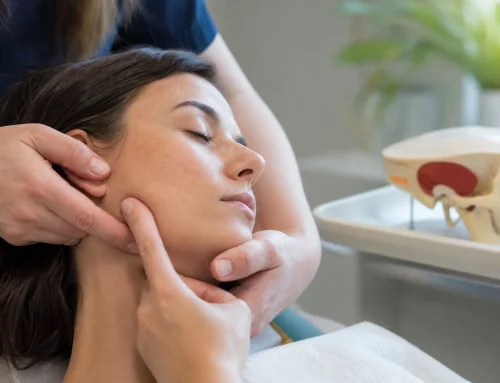
A therapeutic session addressing masseter tension usually starts with a conversation about where the pain shows up and when it started. From there, a therapist works the jaw, temples, and often the neck and upper back, since these areas tend to hold connected tension.
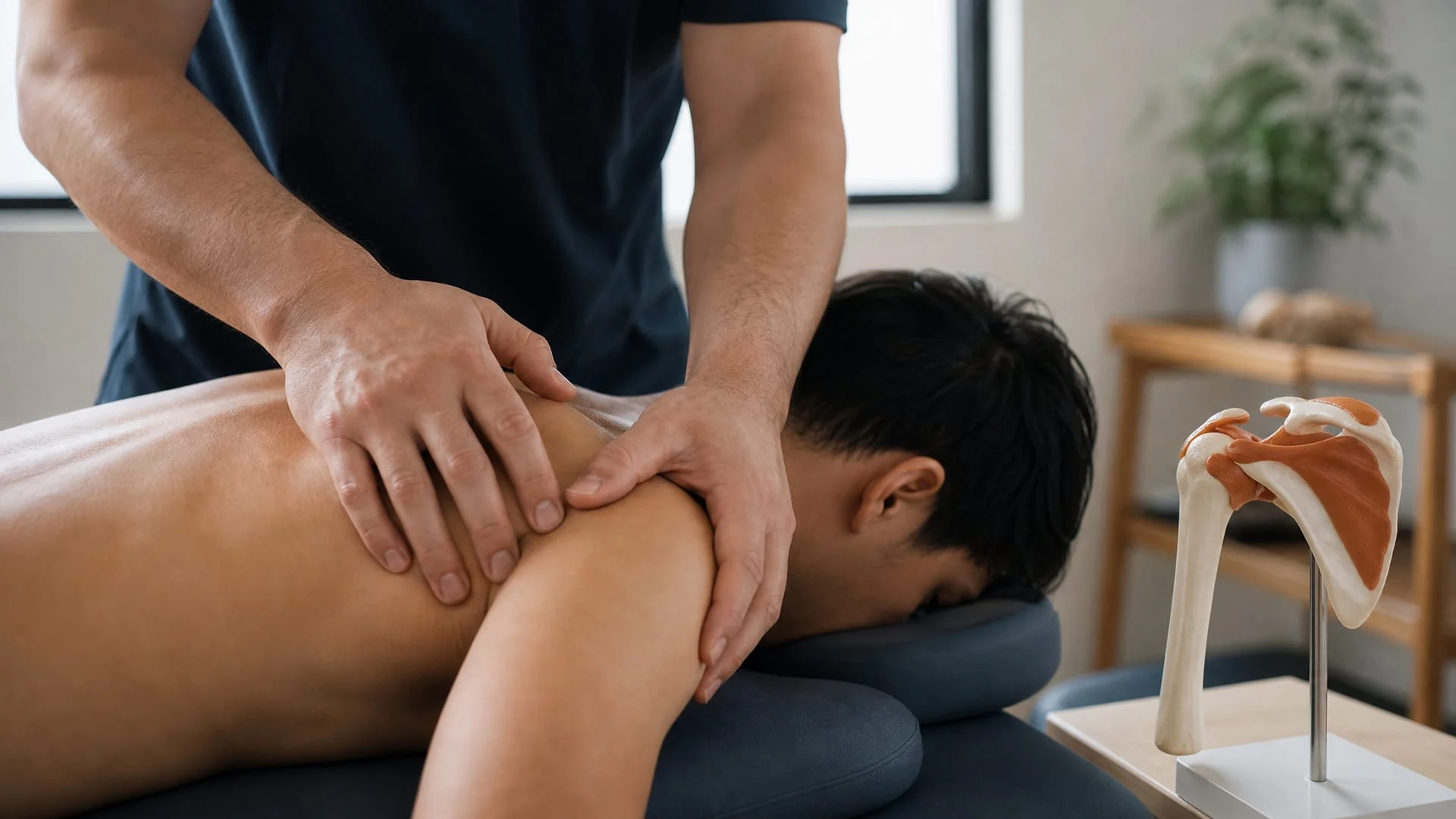
Some sessions bring in deep tissue techniques used for muscle tension to reach the deeper layers of the masseter that self-massage can’t fully release. If it’s your first time booking a session for jaw pain, it helps to know what to expect at your first massage appointment so you can walk in feeling prepared rather than uncertain.
Masseter Tension and the Rest of Your Body
Jaw tension rarely stays in the jaw. The muscles of the face, temples, neck, and upper back are closely connected, so tightness in one area tends to pull on the others.
Connecting Jaw Pain to Headaches and Neck Tightness
Can massaging the masseter help with headaches or TMJ pain? Often, yes. A lot of tension headaches trace back to a tight jaw pulling on the muscles around the temples and skull base. Releasing the masseter can ease that pull and reduce how often headaches show up.
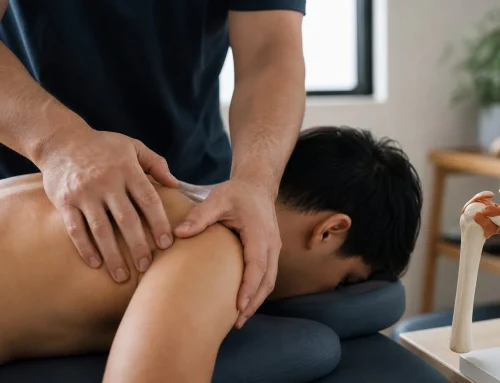
Neck tightness follows a similar pattern. Clenching pulls on connected muscles down through the neck and shoulders, so people with jaw pain often carry tension there too. A full-body approach, rather than jaw work alone, tends to bring the most complete relief.
Along with hands-on massage, some clients find that infrared sauna benefits for muscle pain extend to jaw and neck tension, since gentle heat can loosen tight muscles before or after a session.
If jaw pain, tension headaches, or teeth-grinding discomfort have become part of your routine, it may be time for more than self-massage. Body Ache Escape offers therapeutic massage services in Pickerington built around real relief, not spa fluff, serving clients across Columbus, Pickerington, Reynoldsburg, and Canal Winchester, Ohio. Many clients come to understand why local residents choose Body Ache Escape after their first session addressing jaw and neck tension together. You don’t have to keep pushing through discomfort. A licensed therapist can help you get to the root of it.