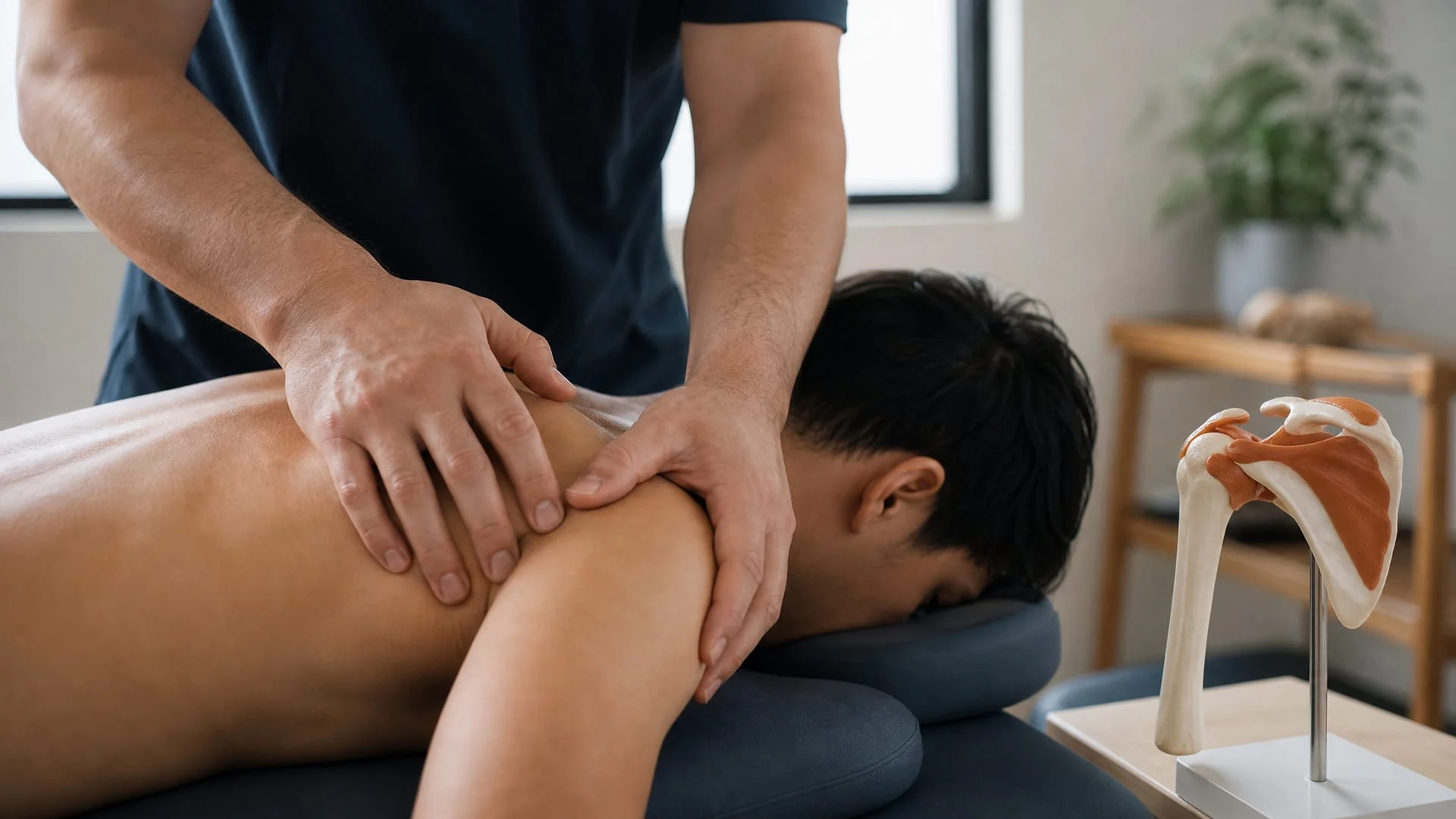
If you run, you already know the feeling: calves that stay tight for days, a hip flexor that grumbles on hills, a nagging ache along the outside of your knee that shows up around mile four. Massage therapy for runners isn’t about pampering yourself after a hard training block. It’s about catching those small warning signs before they turn into weeks off your feet.
Why Massage Therapy for Runners Matters More Than You Think
Running is a repetitive-stress activity. Every stride sends impact through the same muscles, tendons, and joints, thousands of times over a single run. Your body adapts well to that load. But it doesn’t distribute it evenly. Certain areas, calves, IT bands, hip flexors, take on more strain than others. Over weeks of training, that strain adds up.
That’s where massage earns its keep. It’s not a reward for finishing a race. It’s maintenance for a body that’s asking a lot of itself, week after week.
What Happens to Muscles During Repetitive Running Impact
Each footstrike loads your calves, quads, hamstrings, and fascia in a predictable pattern. Do that enough times and the tissue starts to shorten and stiffen instead of springing back the way it should. Fascia, the connective tissue wrapping your muscles, can start to bind down in spots. That restricts how a muscle glides against the tissue around it.
That’s often what a tight IT band or a knotted calf really is: tissue that’s lost some of its natural give under repeated load. Left alone, it can pull on nearby joints and change how you move. That small compensation is exactly the kind of thing that turns into an overuse injury. A runner training through a Pickerington summer, logging long weekend miles in the heat, often shows up with tight calves and a cranky IT band long before any pain shows up on race day.
Best Massage Techniques for Runners
Not every runner needs the same kind of work. It’s not just a luxury pick between “relaxing” and “intense.” The right technique depends on what your muscles are dealing with and where you are in your training cycle.
Deep Tissue vs. Sports Massage
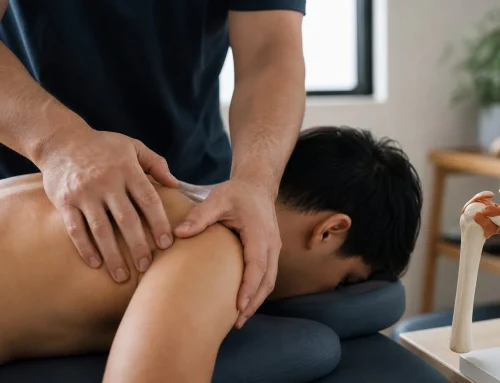
Deep tissue massage targets the deeper layers of muscle and fascia. It’s a good fit when calves or quads have built up real, stubborn tightness from weeks of mileage. The pressure is firm and sustained. It works through layers of tissue rather than skimming across them.
Sports massage borrows techniques from deep tissue work but applies them with a runner’s training cycle in mind. It often blends broader strokes with more targeted work on the areas runners overload most: hips, hamstrings, calves. Therapists usually adjust it based on whether you’re building mileage, tapering, or recovering after a race.
Neither approach is inherently better. It comes down to timing and what your legs need that week.
Cupping for Tight IT Bands and Calves
Cupping uses suction instead of pressure. It lifts the skin and superficial tissue away from the muscle below. For runners, that can be especially useful on the IT band and calves, areas that often feel like tight, ropy bands under the skin rather than a single sore spot.
Because cupping works differently than deep pressure, it can reach restrictions that feel too sensitive for firm hands-on work. Runners who want a clearer sense of which technique fits their situation can look at cupping versus deep tissue for tight muscles to compare how each one feels and what it’s suited for.
When to Get a Massage: Pre-Race, Post-Race, and Training Cycle Timing
Timing matters as much as technique. A massage that helps you two weeks before a race can work against you the day before it.
During a regular training block, spacing sessions every two to four weeks is a reasonable rhythm for most runners. Go more often if you’re ramping up mileage or dealing with a stubborn tight spot. This keeps tissue from accumulating tightness week over week instead of letting it pile up until something starts to hurt.
Before a race, timing gets more specific. Licensed massage therapists generally recommend scheduling deep tissue work a few days away from race day, since aggressive pressure can leave muscles temporarily sore rather than race-ready. A lighter, shorter session closer to race day can help you feel loose without leaving you achy at the start line.
After a race, massage plays a different role entirely. Deep work in the days following a long race or hard long run can help address the soreness and tightness that build up. It’s worth easing into it rather than going straight for maximum pressure the day after.
Common Running Injuries Massage Can Help With
Massage isn’t a diagnosis, and it isn’t a substitute for a medical evaluation when something feels seriously wrong. But for the everyday tightness that leads to overuse injuries, it can play a real, practical role.
IT Band Syndrome and Shin Splints
IT band syndrome often shows up as a sharp pull or ache on the outside of the knee, tied to a band of tissue that’s lost some of its normal flexibility. Targeted work along the IT band and the hip muscles feeding into it can help loosen that restriction before it starts affecting your stride.
Shin splints, meanwhile, are often connected to tight calves and the muscles running along the front and inside of the shin. Working through that tightness can ease some of the pull that contributes to shin pain, especially when you catch it early rather than after weeks of pushing through it.
Plantar Fasciitis and Achilles Tightness
Plantar fasciitis, that stabbing heel pain many runners know, is often tied to tightness running all the way up through the calf and Achilles. Addressing that whole chain, not just the bottom of the foot, tends to bring more relief than focusing on the heel alone.
Achilles tightness responds to a similar approach. Gentle, targeted work on the calf and tendon can help ease the stiffness that builds up after repeated hard efforts, especially on hilly routes or speed days.
What to Expect at Your First Runner-Focused Massage Session
If you’ve never had a massage built around your training rather than general relaxation, the first visit is mostly a conversation. You’ll talk about your mileage, your upcoming races, and where things feel tight or sore. There’s no assumption that you want soft, spa-style pressure, and no judgment if you do.
At Body Ache Escape, Michele and Kyron work with local runners training for Columbus-area races who need targeted relief for calves, IT bands, and feet rather than a generic relaxation rubdown. They adjust pressure in real time based on your feedback. The goal is always function, being able to run comfortably again, not just a nice hour on the table.
If you want a fuller sense of how a first visit works, from intake questions to pressure checks, you can look at what to expect at your first massage appointment before you book. Runners dealing with compensatory back pain from an altered gait might also find massage for chronic back pain relevant, since tight legs and hips often pull on the lower back over time. Some runners also pair regular sessions with other recovery tools, like the zero gravity massage chair benefits or an infrared sauna for muscle recovery, to round out a full recovery routine between visits.
Using HSA or FSA Funds for Runner Recovery Massage in Pickerington
Regular massage during a training cycle adds up, so it’s worth knowing that many runners can use pre-tax health dollars to cover it. Body Ache Escape accepts HSA and FSA for eligible massage services. Many runners use those funds to offset the cost of regular maintenance sessions during training blocks.
Eligibility usually depends on how the service is documented, so it’s worth checking your plan’s specifics before you book a series of sessions. For a closer look at how the process works and what typically qualifies, using HSA funds for massage therapy walks through the details.
If you’re logging miles around Columbus, Pickerington, Reynoldsburg, or Canal Winchester and your legs are starting to talk back before your race does, don’t wait for a small ache to turn into missed training days. Therapeutic massage in Pickerington can be built around your training calendar, not a generic spa menu. Book a session and let your recovery catch up to your mileage.