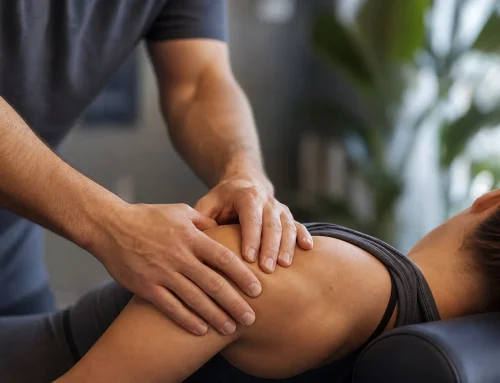
Jaw pain has a way of dominating your thoughts until you can’t focus on anything else. You might be searching for tmj massage near me because clicking, locking, or that dull ache behind your ear has finally crossed the line from annoying to disruptive. This isn’t about luxury or pampering. It’s about restoring basic function so you can eat, speak, and sleep without guarding against pain.
Effective TMJ therapy means telling the difference between muscular tension and joint pathology. Manual therapists need training to recognize the red flags that call for a dental or medical referral before any intraoral work starts. Finding the right provider means looking past generic spa menus to find someone who understands the anatomy of chewing and treats jaw dysfunction as a clinical issue, not an add-on service.
Recognizing When Jaw Tension Needs Professional Care
You probably started with simple stretches or over-the-counter anti-inflammatories when the discomfort first showed up. But home management eventually plateaus, and that’s when professional assessment becomes necessary. Occasional tightness after a stressful week is normal. Persistent symptoms that limit how wide you can open your mouth, or that cause pain when you chew, point to a dysfunction self-care can’t resolve on its own.
Common Signs of TMJ Dysfunction Beyond Clicking
Audible popping or clicking gets most of the attention, yet plenty of people have real dysfunction without ever hearing a sound. TMJ disorders affect a significant share of adults, and women report symptoms at higher rates than men, which is part of why gender-informed assessment matters so much in effective care. Your symptoms might show up as chronic headaches that mimic migraines, unexplained ear fullness, or neck stiffness that won’t budge no matter how much you stretch.
Pain from the jaw muscles frequently travels down into the upper back and shoulders, creating a cycle of tension that can feel disconnected from where it started. Clients often report real relief not just from direct jaw work, but from addressing the compensatory tension in the neck, shoulders, and upper back that builds up after years of guarding against jaw pain. If you’ve been treating neck pain for months without lasting results, your jaw may be the real driver keeping those secondary muscles locked in protection mode.
When Self-Care Stops Working
Gentle self-massage and heat packs have their place, but they rarely reach the deeper structures involved in chronic TMJ disorders. When your routine stops giving relief, or the window of comfort keeps shrinking despite consistent effort, that’s a sign the tissue restriction has outgrown what surface-level techniques can fix. Pushing through this plateau with aggressive self-treatment can irritate inflamed tissue further, which makes professional guidance the safer path.
This is the point where searching for specialized tmj massage near me stops being a wellness indulgence and becomes a practical health decision. A trained therapist can assess whether your limitation comes from muscular hypertonicity, disc displacement, or arthritic changes, so the treatment plan matches the actual problem instead of guessing.
What Therapeutic TMJ Massage Actually Involves
Therapeutic jaw work looks and feels nothing like the relaxation massage you’d get at a resort or day spa. The goal is functional restoration through targeted myofascial release and trigger point therapy in the muscles used for chewing, and that takes a level of anatomical precision general bodywork doesn’t require.
Intraoral vs. Extraoral Techniques Explained
Comprehensive jaw therapy usually combines external manipulation with internal access, reaching muscles fingers simply can’t touch from outside the mouth. Extraoral work addresses the temporalis fan across your temple and the surface layers of the masseter, releasing the broad tension patterns behind clenching. For deeper restrictions, therapists use gloved intraoral techniques to reach the medial and lateral pterygoids inside the mouth, often the true culprits behind limited opening and jaw deviation.
Understanding specific masseter muscle massage techniques helps explain why this work can feel intense yet relieving compared to Swedish strokes. The therapist applies sustained pressure to trigger points in these muscles and waits for the nervous system to downregulate the guarding response, rather than forcing the tissue to lengthen by force. That distinction matters, because aggressive stretching of a protective spasm just triggers more contraction. Patient neuromuscular re-education is what creates lasting change.
Why This Isn’t a Standard Relaxation Massage
Expect focused, sometimes uncomfortable work on small facial structures rather than the long, flowing glides designed to put you to sleep. The session involves active communication about pressure tolerance and frequent rechecks of your range of motion, to confirm the tissue is actually responding. If you’re after purely soothing touch to zone out, this modality will probably feel too clinical and interactive for what you need right now.
At Body Ache Escape, we treat jaw pain as part of a whole-body pattern. We pair targeted manual therapy with education on posture and stress management, so relief lasts beyond the treatment table. That whole-body view avoids the common mistake of treating the jaw in isolation while ignoring cervical spine or thoracic alignment issues feeding the dysfunction. Learning more about choosing the right massage technique helps you book the appointment that actually addresses your specific case instead of hoping a general session covers it.
Vetting Providers for TMJ Massage Near You
Not every licensed massage therapist has the advanced training to safely do intraoral work or manage complex TMJ cases. Basic licensure covers general anatomy and contraindications. Specialized jaw therapy demands additional coursework in craniofacial pain, occlusion basics, and safe internal soft tissue mobilization.
Essential Training and Specialized Certifications
Look for providers who list specific continuing education in TMD treatment, craniosacral therapy, or collaboration with neuromuscular dentistry, rather than a generic “deep tissue” credential. Safe intraoral work requires understanding oral hygiene standards, glove protocols, and the delicate neurovascular structures inside the mouth that untrained hands could damage. A qualified therapist should be able to name their advanced instructors or certification programs without hesitating when you ask about their background.
Competency also shows up in how thoroughly they screen you before touching your face. They should review your dental history, recent imaging, and current medications to rule out acute infections, fractures, or anything else that would make massage contraindicated. This intake rigor is what separates clinical practitioners from well-meaning generalists who might aggravate a condition they were never trained to identify.
Questions to Ask Before Booking Your First Session
Direct conversation is the best filter for finding a provider who matches your clinical needs and comfort level. Ask how many TMD cases they treat monthly, to gauge whether this is a core competency or an occasional interest. Ask about their protocol for coordinating with your dentist or orthodontist too, since manual therapy done in isolation, without dental oversight, can sometimes conflict with appliance adjustments or bite correction plans.
Ask what a typical session structure looks like, so you know whether to expect internal work right away or only after a few preparatory visits. Understanding their approach to pain scaling and consent during sensitive facial work builds trust before you commit to vulnerable treatment. These questions signal that you’re an informed participant in your own care, and that usually gets you a more thorough assessment and a plan tailored to you.
Integrating Massage With Other Jaw Pain Treatments
Manual therapy works best as one piece of a broader management strategy, not as a standalone cure for chronic dysfunction. Your jaw sits inside a system involving teeth, joints, nerves, and habits, so lasting relief usually means addressing several factors at once alongside the soft tissue work.
Coordinating Care With Dentists and Orthodontists
Night guards, splints, and orthodontic appliances address structural alignment and tooth protection, while massage addresses how your muscles have adapted to those structural realities. Keeping your providers talking to each other makes sure your night guard isn’t perpetuating a spasm that therapy could release, and that therapy isn’t working against an active bite adjustment. Many patients find their dental appliances fit better and feel more tolerable once the muscular pull dragging the mandible out of neutral position eases up.
Your massage therapist should welcome direct contact with your dental team to align goals and share progress notes. This kind of coordination heads off the frustration of getting conflicting advice from providers who don’t know what the other is doing. When everyone works from the same map, your recovery timeline usually shortens, because the efforts reinforce each other instead of working against each other.
Supportive Home Habits Between Sessions
Clinical work opens a window, but your daily habits decide whether that window stays open or slams shut before your next visit. Simple things, noticing your tongue posture, unclenching during computer work, taking micro-breaks from repetitive chewing, extend the benefit of hands-on treatment more than you’d expect. These aren’t elaborate exercise prescriptions, just gentle reminders to stop feeding the tension pattern between appointments.
Stress management belongs on this list too. Emotional tension shows up physically in the jaw faster than almost anywhere else in the body. Finding a real outlet for that pressure lowers the baseline tone your therapist has to work through each session, which makes treatment more efficient and less painful. Stick with these small habits over a few weeks and they compound, building the stable foundation that lets manual therapy produce lasting change.
Setting Realistic Expectations for Relief and Recovery
Chronic jaw dysfunction built up over months or years of compensation, and undoing those adaptations takes patience alongside skilled treatment. Most clients notice some improvement in mobility or pain after the first few sessions, but real functional restoration typically unfolds across a series of treatments spaced out to let the tissue integrate.
Progress rarely moves in a straight line. You might have a great week followed by a temporary setback triggered by stress, illness, or a change in diet. That’s normal, and it doesn’t mean the treatment has failed, as long as the overall trend keeps moving toward more ease and function. Sleep quality, hydration, and whatever else is going on in your life all shape your response rate, which is why a fixed number of sessions is a poor predictor for any one person.
Committing to regular intervals early on keeps you from losing ground between visits, which is why exploring membership options for consistent care often makes sense financially and clinically for chronic cases. Space sessions too far apart and you end up restarting progress again and again instead of building on what came before. Being honest with your therapist about your expectations and frustrations keeps the plan adaptable to your actual experience, rather than locked to some theoretical timeline.
Using HSA and FSA Funds for TMJ Therapy
Therapeutic massage for diagnosed TMJ dysfunction often qualifies as a reimbursable medical expense once a healthcare provider deems it medically necessary. That distinction matters: it turns an out-of-pocket wellness cost into pre-tax spending, which makes consistent care more affordable for budget-conscious families. Documentation requirements vary by plan administrator, but most accept a Letter of Medical Necessity from your dentist, physician, or physical therapist naming TMD as the diagnosis being treated.
Keep detailed receipts and session notes that state therapeutic intent clearly rather than using relaxation language, since that’s what streamlines reimbursement. Some administrators want itemized invoices with CPT codes or specific treatment descriptions, so ask your clinic’s front desk what their experience has been billing for medical massage. Gathering this paperwork upfront heads off claim denials caused by vague documentation rather than actual ineligibility.
This funding pathway exists for exactly this kind of condition, where manual therapy serves a documented physiological purpose beyond stress reduction. Using these accounts is a way of recognizing that your pain deserves real healthcare investment, not a discretionary-spending label. Check your specific plan’s rules before assuming you’re covered, but don’t assume you’re excluded without checking either.
Local Considerations for Pickerington and Columbus Residents
Choosing a nearby provider has practical advantages that add up over the course of ongoing treatment. Driving forty minutes to an appointment when you’re already in pain adds stress that can undercut the session’s benefits before you even walk in. A local Pickerington wellness center for pain relief understands regional referral networks, insurance landscapes, and the specific stressors that come with life in Central Ohio.
Sticking with one therapist who knows your history beats sporadic visits to distant specialists who start from scratch every time. A local therapeutic relationship means your provider remembers which side flares up during allergy season, or how your jaw responds to holiday stress, and can treat you proactively instead of just reacting. Community-based practices also tend to have stronger relationships with neighboring dentists and physicians, which makes coordination smoother when your case needs more than one kind of specialist.
Your search for tmj massage near me eventually comes down to finding someone you trust with vulnerable, uncomfortable work close to home. Weigh accessibility and rapport alongside credentials, the best technical skill in the world doesn’t help if logistics keep you from showing up often enough to see results. Relief lives at the intersection of competent care and access you can actually sustain.