

How Massages Can Make You Tingle: Nerve Stimulation and the Power of Proprioception
You’re relaxing on the massage table when you notice a tingling sensation. Your therapist’s touch and pressure give your nervous system new sensory input. For some people, that feels like pleasant tingles, goosebumps or chills. Pins and needles or numbness, however, deserves a different response.
The Science Behind Why Massages Make You Tingle
Understanding Nerve Stimulation Through Massage
Touch and pressure stimulate sensory nerves in your skin and the tissues beneath it. Tingling can also happen when pressure or positioning temporarily affects a nerve. It is not proof of muscle damage or healing.
Muscle Sensory Awareness and Proprioception
Your nerve endings constantly detect pressure, movement and stretch. Some of that feedback helps your brain track your body’s position and movement. This sense is called proprioception. You may not notice it during everyday activities, but massage adds new sensory input and can increase your body awareness.
The Physiological Effects of Massage on Muscle Relaxation
Massage therapy can help ease muscle tension and support relaxation. Work on muscles and fascia also gives your nervous system new sensory information. You may become more aware of areas that feel tight, comfortable or sensitive.
Nervous System Response to Massage
Your central nervous system (CNS) and peripheral nervous system process the signals involved in tingling during and after a massage. Sensory receptors in your skin and muscles respond to touch, pressure and movement. A tingling sensation can have several causes, so it does not automatically mean your body is relaxing or healing.
Different Types of Massages, Including Deep Tissue Massage, and Their Impact on the Body
Different massage techniques, from Swedish to deep tissue massage, use different amounts of pressure and movement. They work with muscle tension, muscle knots and sensory nerve endings in different ways. Your response may vary with the technique, pressure and position. Gentle stretching or light exercise after a massage may help you feel comfortable, as long as it does not worsen your symptoms.
Which massages are most likely to give you tingles?
Lighter, slower work may bring on goosebumps and chills more readily than deep, focused pressure. Everyone responds differently:
- Swedish and therapeutic massage: long, flowing strokes
- Lymphatic drainage massage: light, rhythmic touch
- Hot stone massage: warm stones and temperature changes on the skin
- Facelift massage: gentle work on the face and scalp
If you love that tingly feeling, tell your therapist. Ask for lighter strokes or extra time on your scalp and neck.
Managing the Tingling Sensation After a Massage
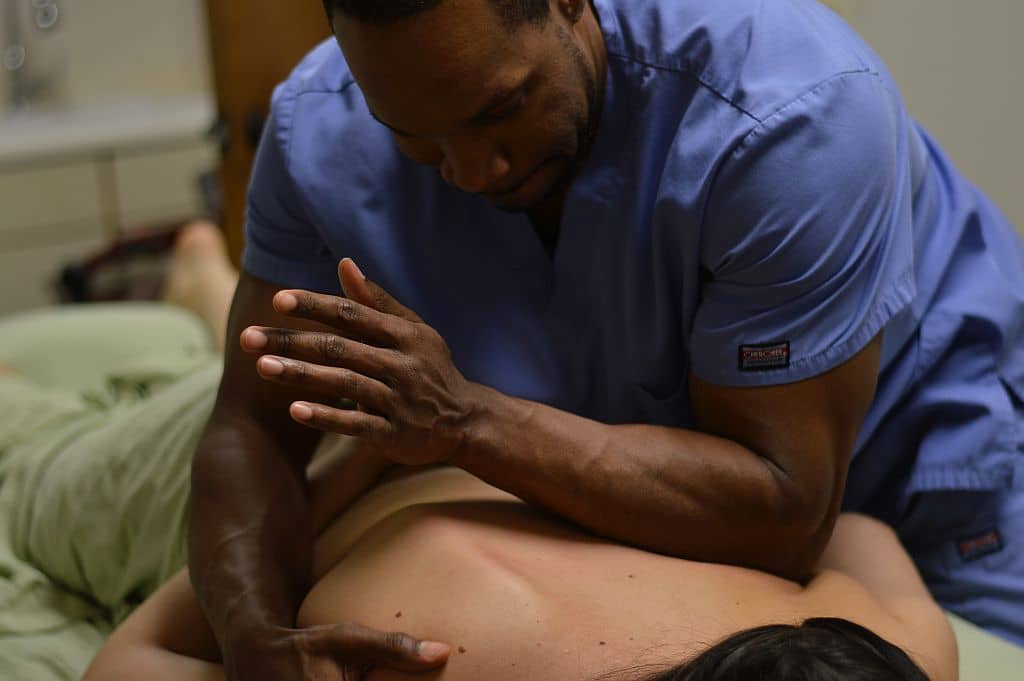
If a tingling sensation feels uncomfortable, tell your massage therapist. They can adjust the pressure, technique or your position. Sharing your symptoms and any chronic pain helps your therapist tailor the session to your needs. You do not need to push through numbness, burning or sharp pain.
If it feels like pins and needles instead
Goosebumps and chills can feel good. Pins and needles or numbness is different. It can happen when an arm rests in one position too long or when pressure lands near a nerve in your neck, shoulder or hip. Speak up during your session so your therapist can adjust your position or pressure. Tingling caused by temporary pressure often fades within minutes after that pressure is relieved.
Check with your doctor if numbness or pins and needles persists or keeps coming back. Seek prompt medical care if it spreads or comes with weakness. A warm, swollen, painful calf needs urgent medical assessment. Call 911 for sudden numbness on one side of the body, especially with facial drooping or trouble speaking.
Want to know more? Read our guide to pinched nerves vs. pulled muscles.
Enhancing Proprioception Through Massage
Massage provides sensory input through touch, pressure and movement. That input can help you notice how your muscles feel and where you hold tension. This awareness connects with proprioception, your sense of where your body is and how it moves.
Your muscles contain many sensory nerve endings that send information to your brain. Massage changes the input those nerves receive, which can make you more aware of your body. Pleasant tingles may be part of that experience, but tingling alone is not a measure of healing or the effectiveness of a massage.

Experience the Relief You Deserve at Body Ache Escape
If you carry chronic tension in your neck, legs or elsewhere, your massage should reflect what you need. At Body Ache Escape in Pickerington, Ohio, your therapist can adapt the technique and pressure to your comfort.
For athletes dealing with muscle soreness, sports massage techniques can focus on areas affected by exercise. Tell your therapist about your activities, goals and any injuries before your session.
If you have sciatic pain, spinal discomfort or recurring numbness, let your therapist know. Massage may help with related muscle tension, but unexplained or persistent nerve symptoms need medical assessment.
Therapeutic massage can offer time to relax and address everyday muscle discomfort. Your session can focus on a specific area or take a broader approach, depending on how you feel.
For clients over 40 and anyone managing age-related changes, comfort and appropriate pressure matter. Your therapist will work within your body’s limits and adjust based on your feedback.
Your privacy matters, and your treatment is personalized. We encourage direct communication about your preferences, comfort and areas of tension throughout the session.
Visit Body Ache Escape in Pickerington, Ohio, for care tailored to your body. Together, we can work on muscle tension and make space for relaxation.
Book your escape and let us know what you’d like to focus on.
Frequently asked questions
YOUR NEXT CHAPTER: FEELING BETTER
Care that meets you
where you are.
Personalized massage in Pickerington, Ohio.
Or call 614.604.6358
MORE WAYS TO ESCAPE