Searching for a spa in Columbus Ohio turns up everything from luxury day spas with champagne-and-candles vibes to clinical-feeling massage chains to small, therapist-owned wellness centers tucked into suburban strip malls. Before you book anything, it helps to get honest with yourself about what you actually need, because the right answer depends almost entirely on why you’re going in the first place.
What Most People Mean When They Search for a Spa in Columbus Ohio
The word “spa” does a lot of heavy lifting. It covers everything from nail bars and facials to deep-tissue massage targeting chronic back pain. That range isn’t a problem, it just means you need to know which end of the spectrum you’re shopping.
Relaxation vs. results: two very different needs
If you’re stressed, burned out, and just need a couple of hours to decompress, a day spa focused on ambiance and pampering might be exactly right. Dim lights, soft music, a glass of cucumber water, sometimes that’s the medicine.
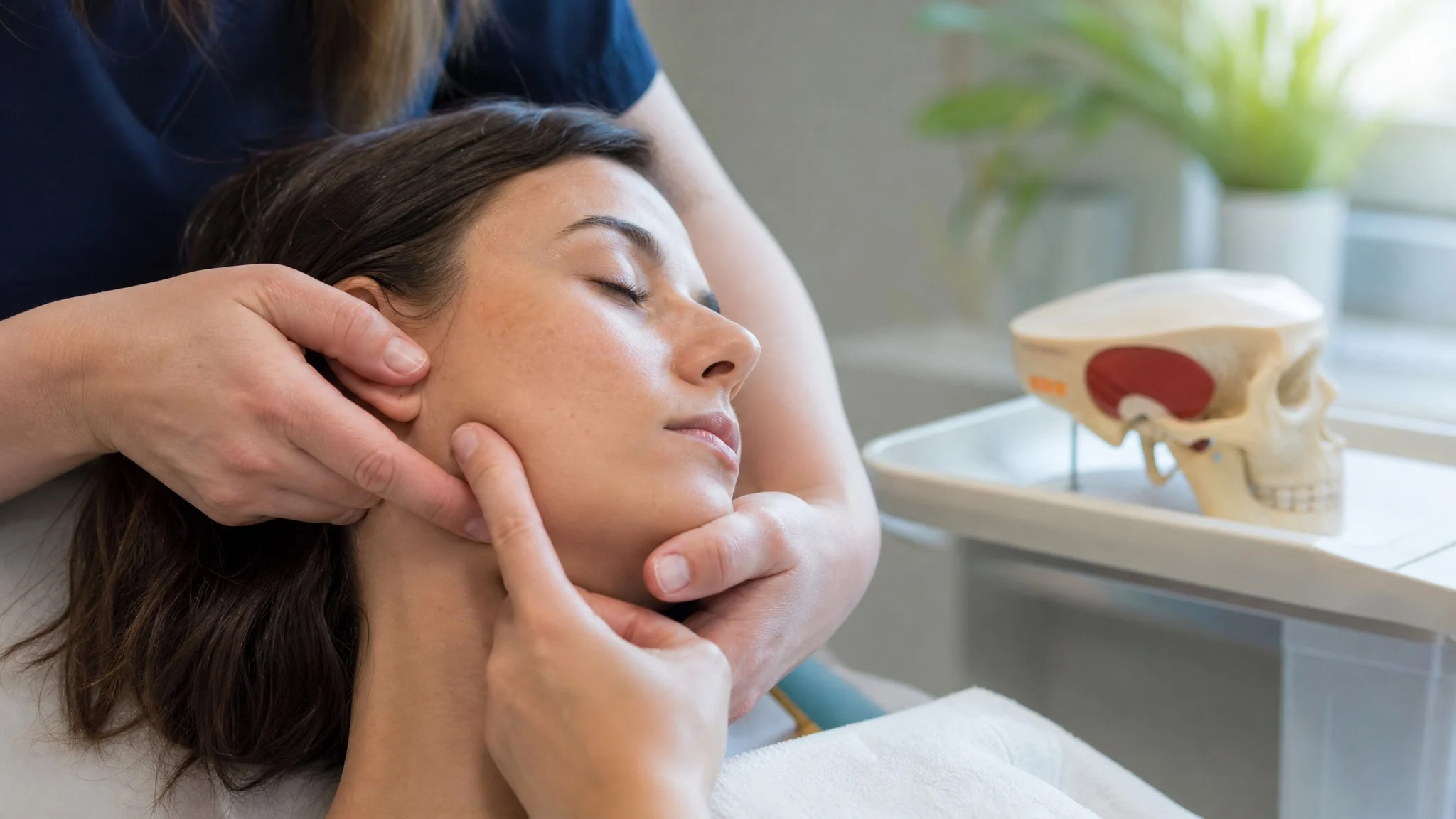
But if you’re dealing with persistent neck pain, tension headaches, sciatic discomfort, or post-workout soreness that won’t quit, ambiance alone won’t fix it. You need a therapist who understands anatomy, asks about your health history, and builds a session around your specific issue. Those are two different skill sets, and not every spa offers both.
The range of services under the ‘spa’ umbrella
Walk into any Columbus-area spa and you might find: Swedish massage, deep-tissue massage, hot stone therapy, facials, body wraps, infrared sauna, cupping, and prenatal massage. Some of these are primarily about relaxation. Others, deep tissue, neuromuscular therapy, myofascial release, are clinical tools for managing pain and dysfunction. Knowing the difference helps you ask better questions before you book.
How to Evaluate Spa and Massage Options in the Columbus Area
Once you know what you need, vetting your options comes down to a few concrete things, none of which are the quality of the robe.
Credentials and licensing matter more than décor
Ohio requires massage therapists to hold a state license issued by the State Medical Board of Ohio, which includes passing a recognized national exam (the MBLEx is the most common). That’s a non-negotiable baseline. Before booking anywhere in the Columbus area, confirm that your therapist holds an active Ohio license, the State Medical Board’s license verification portal is publicly searchable.
Beyond licensure, look for specialization. A therapist who primarily does relaxation Swedish massage may not be the best fit for someone with a rotator cuff injury. Ask whether the practice has therapists with specific training in therapeutic or clinical massage.
Questions worth asking before you book
- Are your massage therapists licensed by the State Medical Board of Ohio?
- Do you complete a health intake form before the first session?
- Can I request a therapist with experience in [your specific issue]?
- Do you accept HSA or FSA cards?
That last question is telling. Practices that accept HSA and FSA cards typically operate as genuine healthcare-adjacent services, they maintain the documentation and billing standards that health savings account administrators require. A purely cosmetic spa rarely bothers.
Types of Services You’ll Commonly Find, and What They’re Actually For
Not every service listed on a spa menu is doing the same job. Here’s a plain-language breakdown.
Massage therapy: from relaxation to deep tissue pain relief
Swedish massage uses long, flowing strokes to reduce stress and improve circulation. It’s wonderful for general relaxation but isn’t designed to address chronic muscular pain.
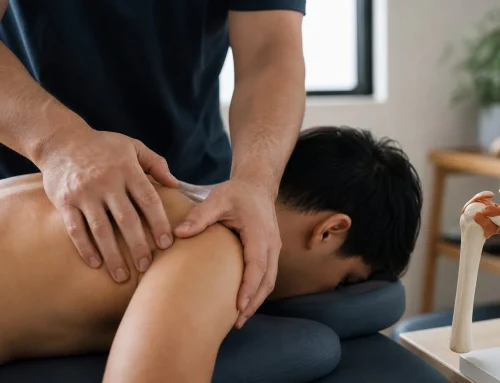
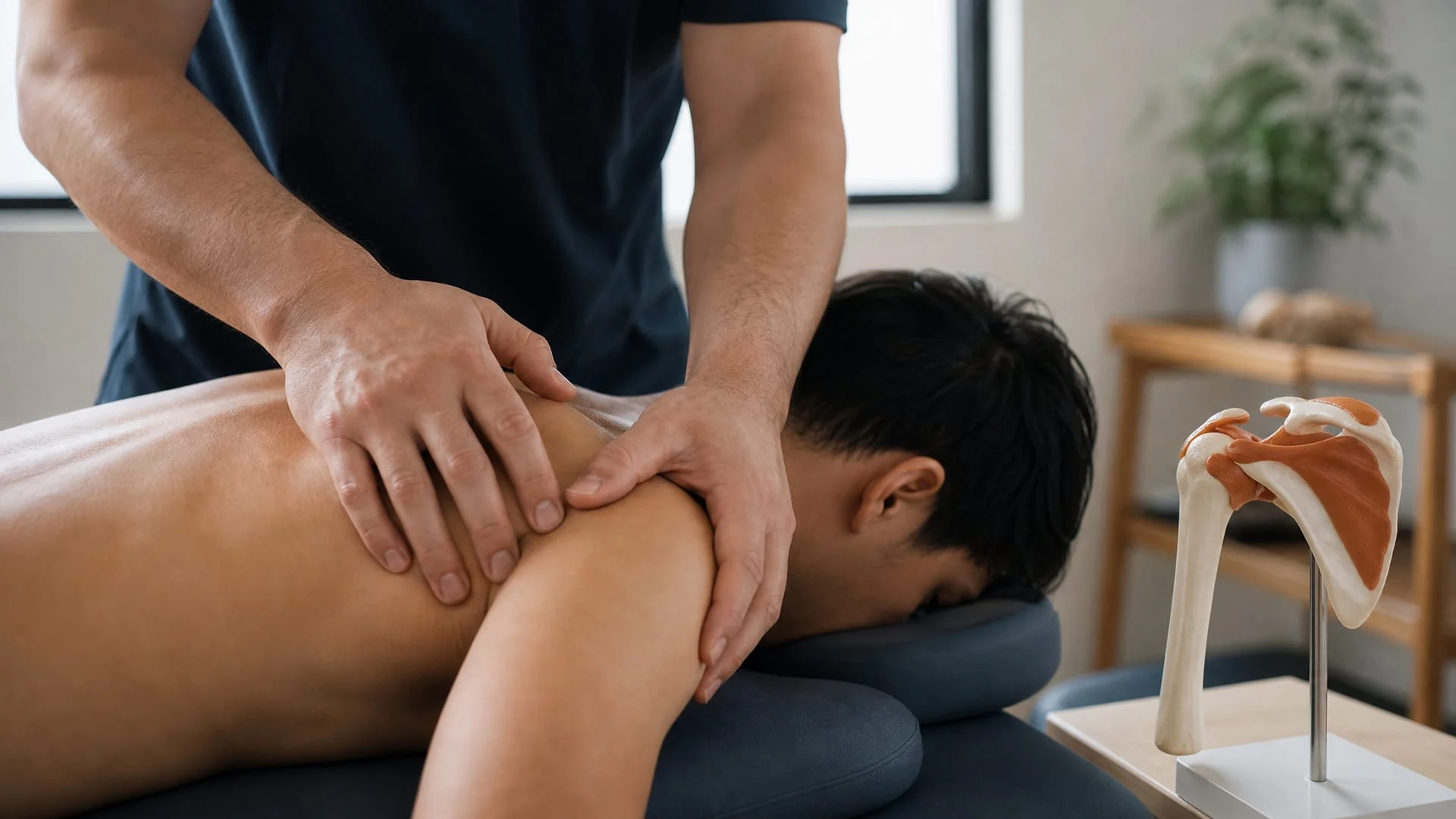
Deep tissue massage works on deeper layers of muscle and connective tissue. It’s the go-to for chronic tension, postural issues, and injury recovery. Expect some discomfort during the session, that’s normal, but it shouldn’t feel brutal. Good communication with your therapist makes the difference.
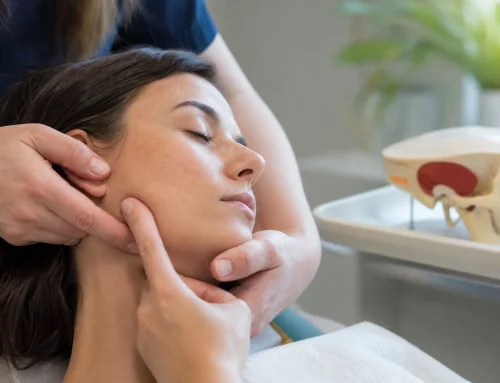
Neuromuscular therapy and myofascial release are more specialized techniques targeting trigger points and fascial restrictions. If you’ve seen “therapeutic massage” on a menu and wondered what it means in practice, these modalities are usually part of the answer.
If therapeutic massage is your goal, therapeutic massage in Pickerington gives you a clearer picture of what a results-focused session actually involves.
Facials, infrared sauna, and other add-ons
Facials address skin health, cleansing, exfoliation, hydration. They’re esthetic services, not therapeutic ones, and most health savings accounts won’t cover them.
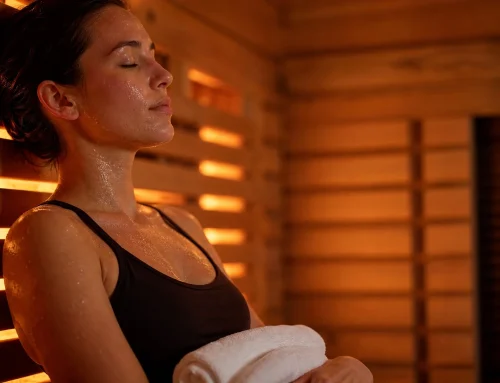
Infrared sauna is a different story. Infrared heat penetrates deeper into tissue than conventional sauna, supporting muscle recovery and circulation. Therapeutic wellness centers increasingly offer it alongside massage because it complements outcome-focused care, and for many clients, it may qualify for HSA or FSA reimbursement.
Speaking of which: if you’re curious about whether you can use an HSA for massage therapy or what counts as an eligible service, that’s a question worth answering before you book, it could change the math on what you can afford. The same goes for FSA-eligible massage therapy in Ohio if you’re working with a flexible spending account.
Why Location Within the Columbus Metro Actually Matters
“Columbus Ohio” is a big phrase. The Columbus metro area spans hundreds of square miles and dozens of distinct communities, Pickerington, Reynoldsburg, Canal Winchester, Gahanna, Westerville, Grove City, and more. Driving into the Short North or downtown Columbus from the southeast suburbs during rush hour can turn a relaxing appointment into a stressful one.
Strong therapeutic options exist throughout the metro. You don’t need to fight 270 traffic to get quality care. If you live or work on the east or southeast side, there are established, experienced practices much closer than you think.
Residents of Pickerington, Reynoldsburg, and Canal Winchester have access to massage therapy near Pickerington for pain relief without making a city run. Think hyperlocally first, your commute time is part of the experience.
What to Expect on Your First Visit to a Therapeutic Wellness Center
First-timers sometimes feel a little nervous about the unknown, what do I wear, what will they ask, how much pressure is too much? Here’s the short version.
A results-oriented wellness center will start your first visit with a health intake form. This isn’t bureaucratic busywork. It helps your therapist understand your medical history, current medications, areas of concern, and any contraindications, conditions that might affect how your session is structured. Certain conditions mean certain techniques need to be modified or avoided, and a good therapist wants to know this before they start.
From there, you’ll have a brief conversation with your therapist about your goals for the session. Speak up. If something has been bothering you for months, say so. If you hate having your feet touched, say that too.
During the session, communicate about pressure. More isn’t always better. A skilled therapist adjusts based on your feedback in real time, that back-and-forth is part of what makes a therapeutic session effective. You’re not there to endure it; you’re there to feel better when you leave.
After the session, your therapist may give you some aftercare guidance, drink water, stretch a specific area, come back in two weeks. That kind of follow-through is a good sign you’re in the right place.
Body Ache Escape: A Therapeutic Option Near Columbus in Pickerington
If what you’re looking for is results over ambiance, a place where the intake form exists, the therapists are licensed and experienced, and the goal is to actually fix something, Body Ache Escape in Pickerington is worth knowing about.
Founded in June 2010 by licensed massage therapists Michele and Kyron, Body Ache Escape has been serving the Columbus metro area for over 15 years. It grew out of a genuine frustration with the gap between what people needed and what most spas delivered, which is exactly the gap this whole guide is about.
They accept HSA and FSA cards for eligible treatments, including therapeutic massage and infrared sauna. For clients managing chronic pain who already contribute to a health savings account, that makes consistent, ongoing care more financially realistic.
This isn’t a place that leads with candles and cucumber water (nothing against cucumber water). It’s a place that leads with the question: What’s hurting, and how do we help?
If you’ve been pushing through discomfort and telling yourself you’ll deal with it later, this might be a good week to stop doing that. Book a session, bring your HSA card, and let someone who actually knows what they’re doing take a look.