If you’ve ever caught a whiff of lavender and felt your shoulders drop, you already know essential oils can shift your mood fast. The best essential oils for relaxation include lavender, chamomile, bergamot, ylang ylang, and sandalwood. Each one works a little differently. But they all tap into the same system in your brain that links smell to emotion.
That’s not just a nice idea. When you inhale a scent, it travels straight to your limbic system, the part of the brain tied to memory and emotion. Licensed massage therapists often point to this connection as one reason certain oils can shift someone’s mood or stress level within minutes. There’s no pill to swallow or app to open. You just breathe.
What Are the Best Essential Oils for Relaxation and How Do They Work?
Relaxation isn’t only about quieting your mind. It’s also a physical response: slower breathing, a lower heart rate, and muscles that finally let go of tension you didn’t know you were holding. Certain scents seem to nudge the body toward that state more reliably than others.
Lavender, chamomile, bergamot, ylang ylang, and sandalwood show up again and again in aromatherapy. People consistently describe them as calming rather than stimulating. That’s not proof of a guaranteed effect for every person. But it’s a strong pattern worth paying attention to if you’re building a relaxation routine.
Why Scent Affects Stress and Mood
Smell is the only sense with a direct line to the limbic system. Sound, sight, and touch all get processed first by other parts of the brain before emotion enters the picture. Scent skips that step.
That’s why a specific fragrance can instantly bring back a memory, or a feeling, before you’ve even consciously placed it. Aromatherapy uses that shortcut on purpose. It pairs a scent with the intention to relax so your brain starts to associate the two.
Top Essential Oils for Relaxation, One by One
Not every calming oil works the same way or smells the same. Some are better suited to winding down before bed. Others work better for an afternoon reset when you’re anxious but still need to function. Here’s a closer look at five of the most reliable options.
Lavender and Chamomile for Sleep and Anxiety
Lavender is one of the most studied essential oils for relaxation. Research generally links inhaling it to lower self-reported anxiety and better sleep quality, though the size of that effect varies depending on how each study was designed. It smells soft, floral, and slightly herbal, which is part of why it’s a common first pick for people trying aromatherapy for the first time.
Chamomile has a warm, apple-like scent and a long history as a bedtime ritual, most familiar in tea form. As an essential oil, people often use it to ease racing thoughts and mild tension before sleep. Both oils are generally considered gentle, but they’re not immune to caution notes. Anyone with plant allergies, especially to ragweed-family plants for chamomile, should patch-test first.
Bergamot, Ylang Ylang, and Sandalwood for Mood and Tension
Bergamot smells bright and citrusy, almost like an orange with a floral edge. People reach for it to lift a low mood and ease tension without feeling drowsy. The caution here matters: bergamot and other citrus oils can cause photosensitivity. Avoid applying it to skin that will see direct sun.
Ylang ylang has a heavier, sweet floral scent. People traditionally use it to ease feelings of stress and support a sense of calm confidence rather than sleepiness. Sandalwood, by contrast, is woody and grounding. People often use it in meditation practices to quiet a busy mind.
One safety note applies across all of these: several essential oils, including tea tree and some citrus oils, are toxic to cats and dogs even in small amounts. If you have pets at home, always research an oil’s pet safety before diffusing it in a shared space.
How to Use Essential Oils Safely at Home
Essential oils are potent. A little goes a long way. Using too much, or applying them incorrectly, can cause skin irritation, headaches, or worse. Safe use comes down to three main methods: diffusing, diluted topical application, and bath soaks.
Before trying any new oil, do a patch test. Put a small, diluted amount on your inner forearm and wait 24 hours to check for redness or irritation. This matters even more if you have sensitive skin or a history of allergies.
Diffusing, Topical Dilution, and Bath Soaks
Diffusing is the simplest way to start. Add a few drops of your chosen oil to a water-based diffuser. Run it in a well-ventilated room for 30 to 60 minutes rather than all day.
For topical use, always dilute essential oils in a carrier oil like jojoba, sweet almond, or fractionated coconut oil. A common ratio is about 1 to 2 drops of essential oil per teaspoon of carrier oil for adult use. Never apply an undiluted oil directly to skin.
For a bath soak, mix a few drops of essential oil with a tablespoon of carrier oil or unscented bath salt before adding it to the water. Oil dropped directly into bathwater floats on top and can sit undiluted against skin, which raises the risk of irritation.
Keep in mind that essential oils complement relaxation. They don’t substitute for treating chronic pain or a diagnosed anxiety condition. They can support a calmer mood, but they don’t replace medical or therapeutic care.
Pairing Essential Oils With Massage Therapy for Deeper Relaxation
Aromatherapy and hands-on bodywork share the same goal: helping your nervous system shift out of high-alert mode. Used together, they tend to reinforce each other rather than just adding up.
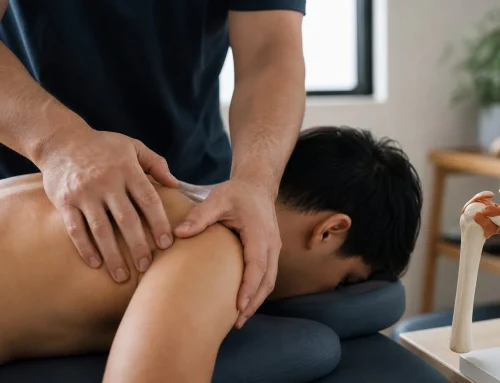
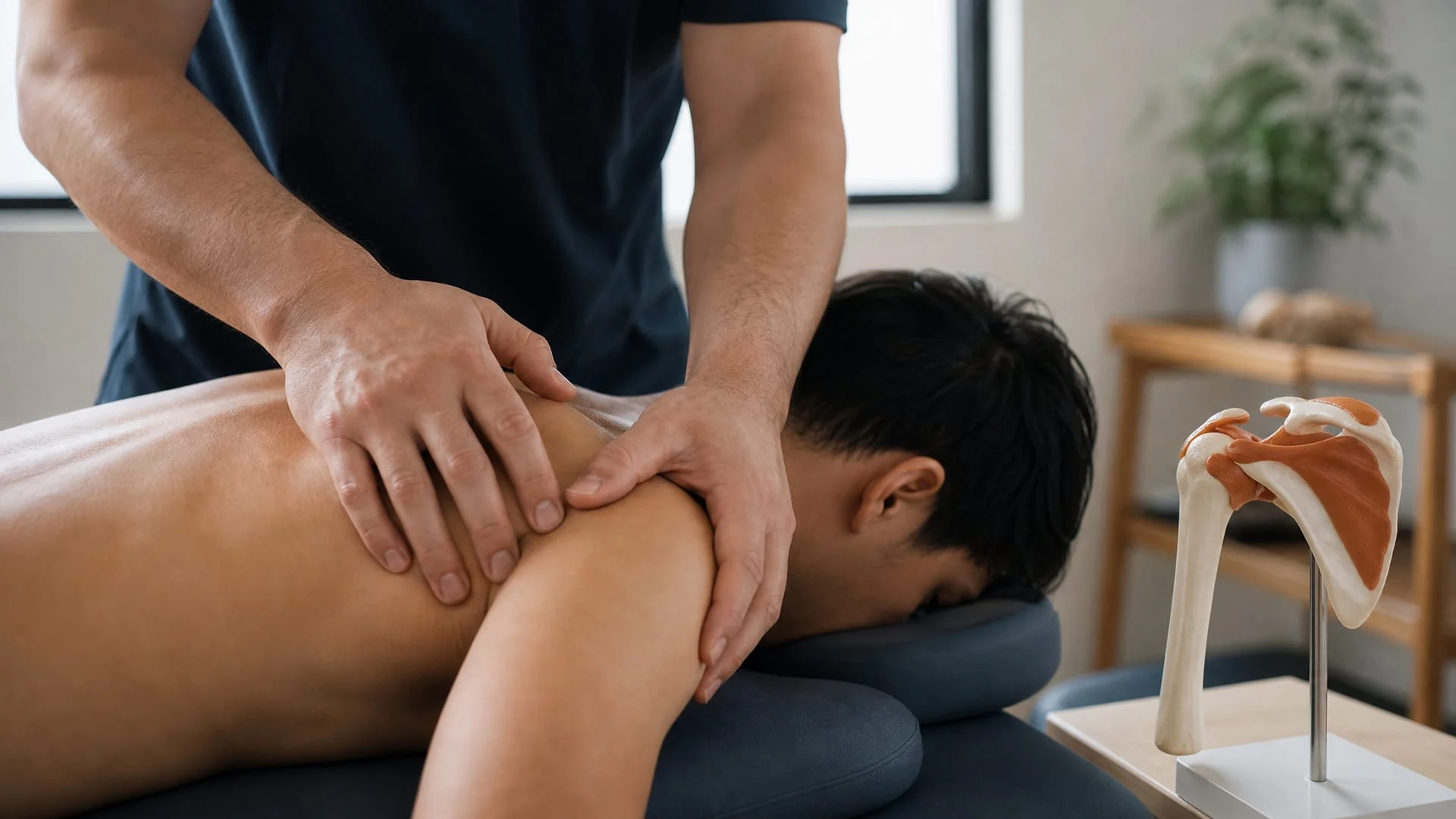
At Body Ache Escape, many clients ask about aromatherapy add-ons during massage sessions, since scent-driven relaxation and hands-on bodywork tend to work well together. The scent gives your brain a cue to relax. The massage gives your muscles a reason to actually follow through.
Why Aromatherapy and Bodywork Reinforce Each Other
Think of a client dealing with tension headaches from sitting at a desk all day. That person may notice more relief from pairing lavender oil at home with a regular deep tissue or Swedish massage schedule than from using the oil alone. The massage addresses the physical tightness. The scent extends that calm state once the session ends.
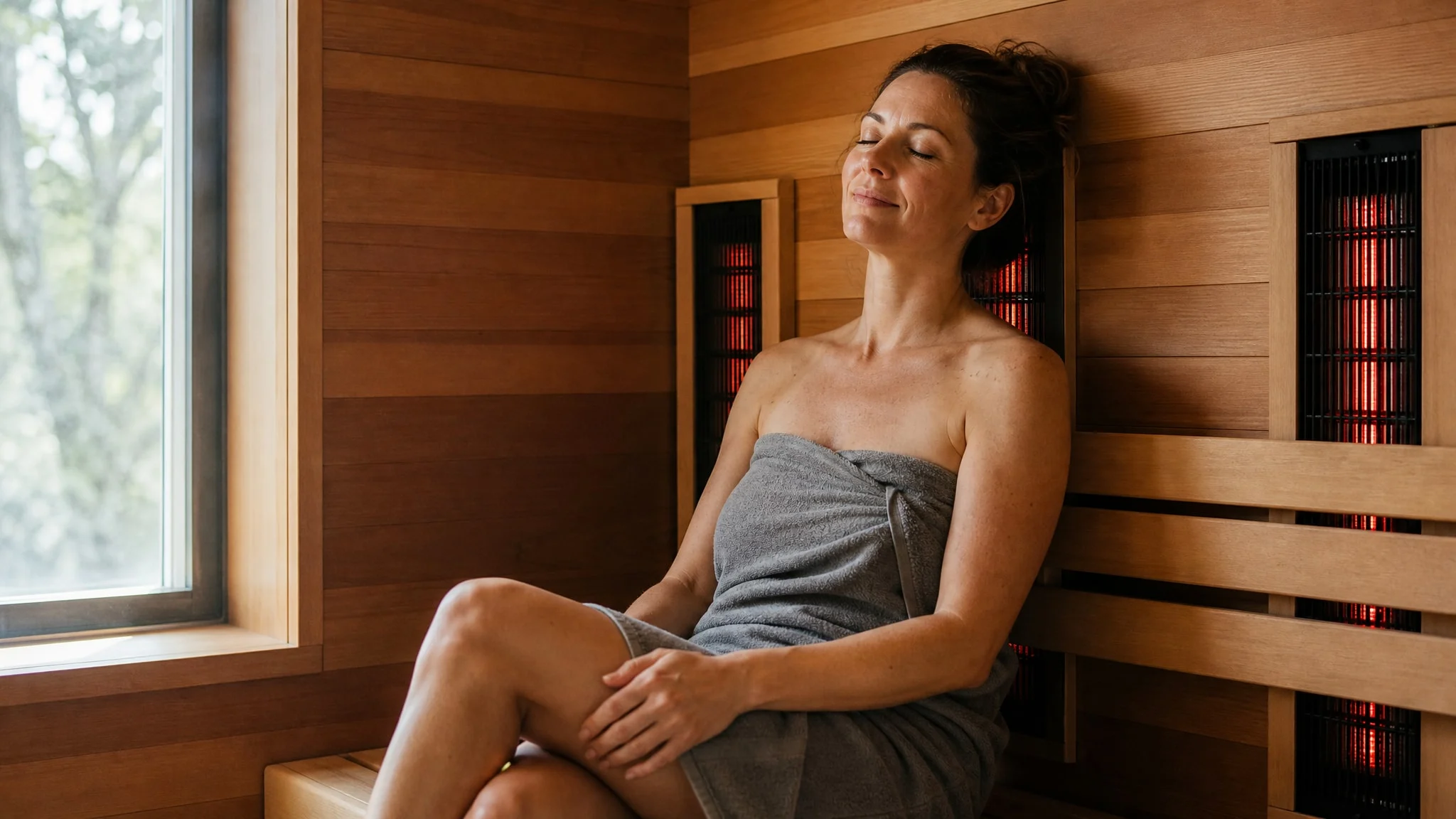
This is really about building a habit. If you understand how massage therapy helps with stress and anxiety, it’s easier to see why a diffuser at home and a monthly appointment work better together than either alone. The same logic applies to pairing heat therapy with relaxation habits using an infrared sauna session, or unwinding further in a zero gravity massage chair for deep relaxation between visits.
Common Mistakes and Safety Considerations
The most common mistake with essential oils is treating them as harmless just because they’re natural. Concentration matters. So does the individual using them.
Applying oils undiluted, using too many drops in a diffuser, or ignoring a known allergy: these are the mistakes that lead to headaches, rashes, or nausea instead of relaxation.
When to Avoid Certain Oils
Pregnant readers should talk to their doctor before using essential oils. Doctors generally advise against several oils during pregnancy, particularly in the first trimester. Anyone with asthma or respiratory sensitivities should introduce diffused scents slowly and watch for reactions.
Pet owners need to be especially careful. Cats in particular are sensitive to many essential oils, including tea tree, citrus, and even some diffused lavender in enclosed spaces. If you share a home with pets, keep diffusers in rooms they can leave, and ask a vet before applying anything topically near an animal.
When to See a Professional Instead
If your stress is tied to a specific injury, chronic pain, or an anxiety condition that interferes with daily life, essential oils alone won’t be enough. That’s a sign it’s time to bring in professional support, whether that’s a massage therapist, a doctor, or a counselor.
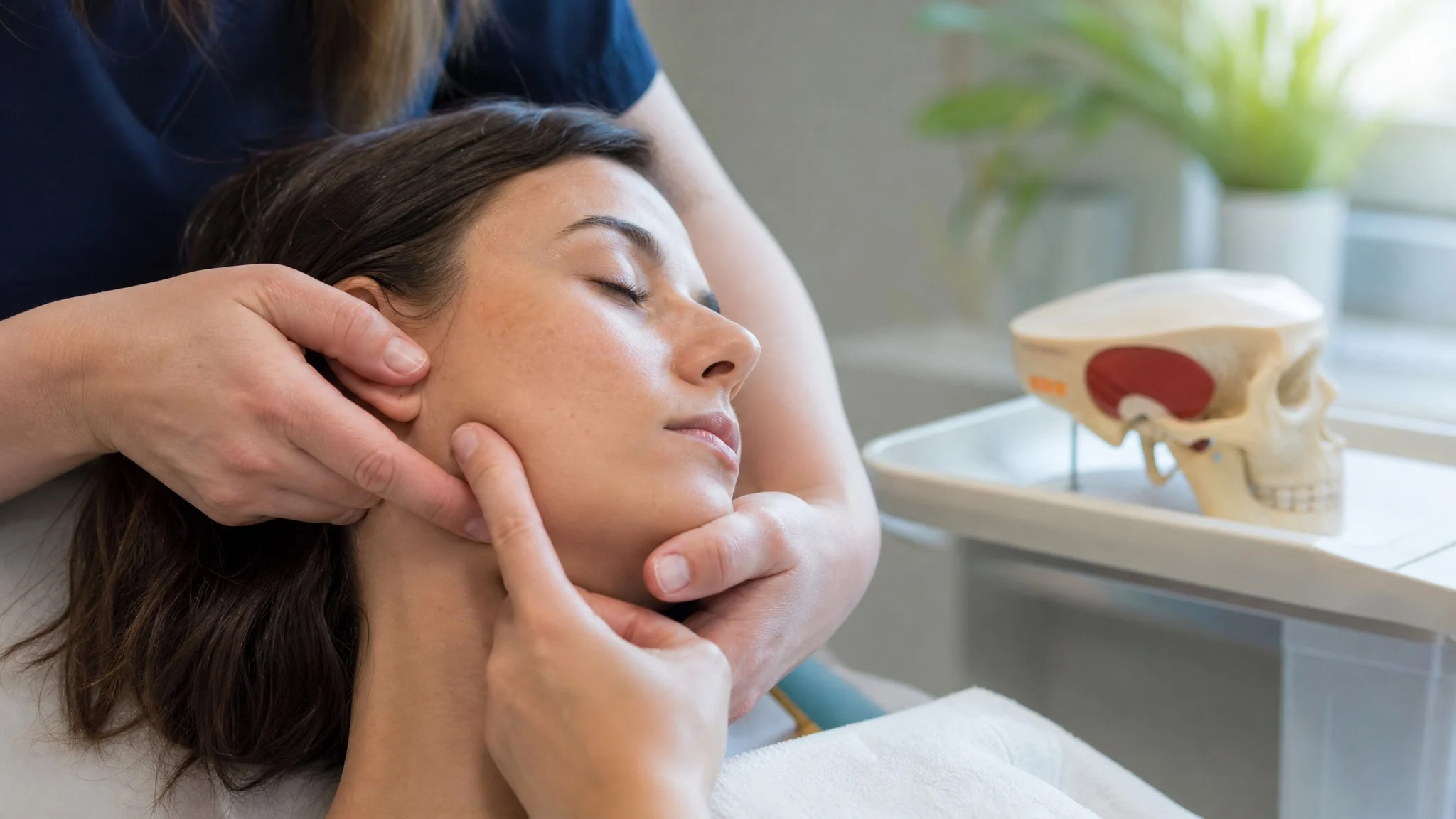
If you’re new to bodywork and unsure what a session even involves, it helps to read up on what to expect at your first massage appointment before you book. Pairing that kind of hands-on care with a self-care routine at home, including how facials support overall relaxation and skin health, tends to produce more consistent relief than any single method on its own.
FAQ: Essential Oils for Relaxation
What are the best essential oils for relaxation and stress relief?
Lavender, chamomile, bergamot, ylang ylang, and sandalwood are the most commonly recommended. Each one supports a calmer mood in a slightly different way, so many people rotate between a few depending on the time of day and their mood.
Which essential oil is most effective for sleep and anxiety?
Lavender has the largest body of research behind it for sleep and anxiety specifically. Chamomile is a close second, particularly for easing racing thoughts before bed.
How do you use essential oils safely, diffuser, topical, or bath?
All three are safe when done correctly. Diffuse for 30 to 60 minutes in a ventilated room, always dilute before applying to skin, and mix oils with a carrier before adding them to bathwater.
Can essential oils replace massage therapy or professional stress treatment?
No. Essential oils can support relaxation, but they don’t address the muscle tension, injuries, or clinical conditions that professional massage therapy or medical care can treat.
Are there essential oils to avoid during pregnancy or around pets?
Yes. Doctors generally don’t recommend several oils during pregnancy, especially in the first trimester, and many common oils, including tea tree and citrus oils, are unsafe for cats and dogs. Always check before using a new oil around either.
How long does it take to feel relaxation effects from essential oils?
Many people notice a shift in mood within minutes of inhaling a calming scent, since the limbic system responds quickly. Deeper effects, like improved sleep quality, tend to build with consistent use over days or weeks rather than a single session.
Essential oils are a helpful daily habit, but they work best as part of a bigger relaxation plan. If stress or muscle tension has been building for a while, pairing your home aromatherapy routine with a professional massage or infrared sauna session at Body Ache Escape in Pickerington can help you get further, faster. Book your first visit, or grab a gift certificate for someone who could use the same relief.